Wood is perhaps the most tactile and living material we can invite into our homes. It possesses a unique ability to infuse a space with warmth, history, and a profound sense of calm. However, many homeowners and design enthusiasts face a classic interior dilemma: is it permissible to mix different species, or must every element from the floor to the dining table match in a singular, uniform shade? At Noyer, we believe that the true magic of a home emerges in the dialogue between different textures and colors. Mixing wood tones is not merely allowed; it is one of the most effective strategies for creating a home filled with character, depth, and soul.
When you choose to combine various types of timber, you move away from the sterile, sometimes impersonal feel of a showroom and toward a space that feels thoughtfully curated over time. It is about finding the delicate equilibrium between contrast and cohesion, where the dark, deep luster of walnut can serve as an exclusive anchor in a room otherwise dominated by lighter, airier tones. By understanding the nuances of grain and temperature, you can transform a simple room into a layered sensory experience.
Contrast as a Primary Design Element
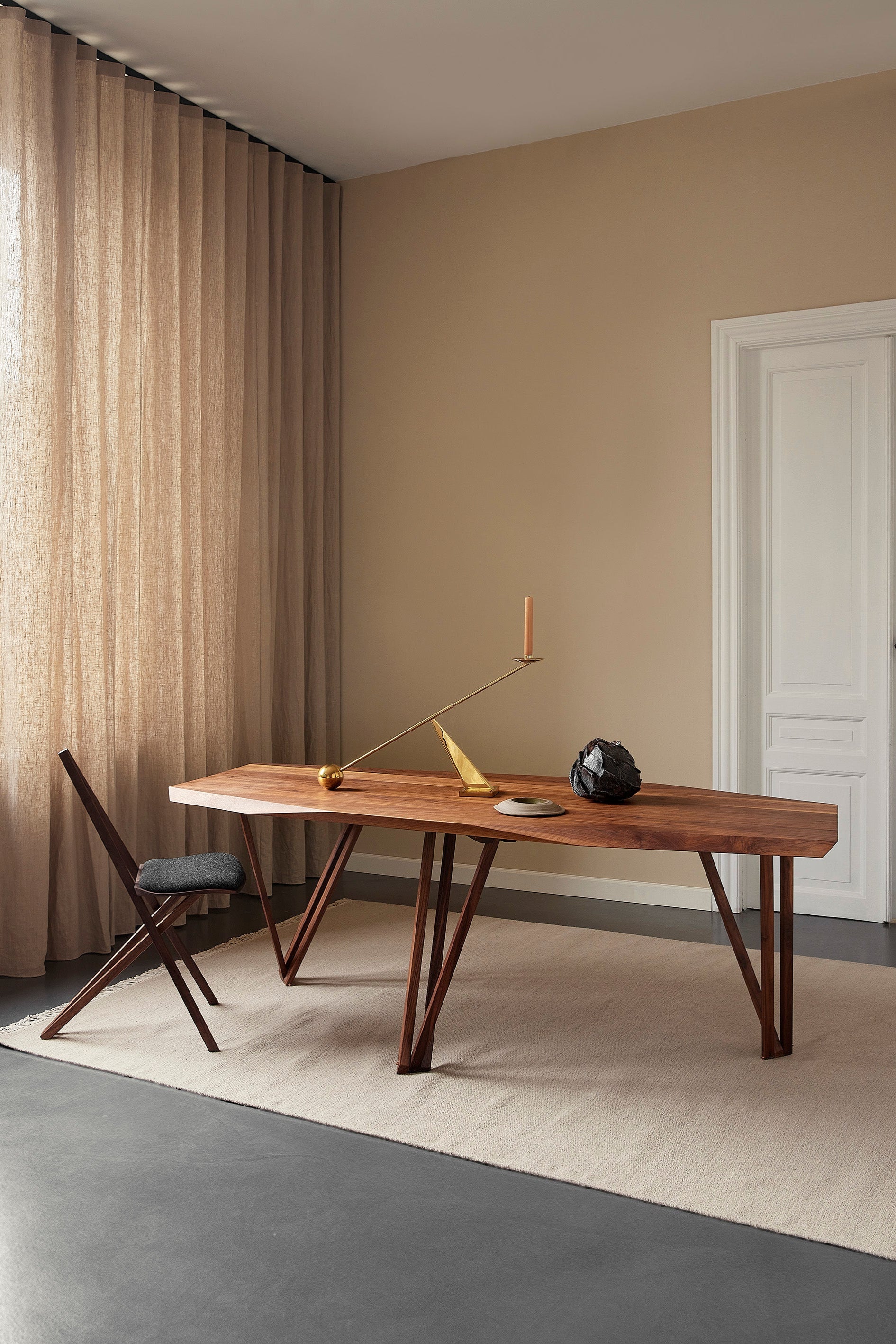
To succeed when mixing wood tones, one must embrace the power of contrast. A common mistake is choosing two wood types that are too similar but not identical, which can often look like an accidental mismatch rather than an intentional choice. By selecting materials with markedly different lusters and colors, you signal a clear design intent. This is where walnut wood takes center stage. With its rich, chocolate-brown hues and characteristic, flowing grain patterns, walnut provides a natural counterpoint to the pale, Nordic species like oak, ash, and pine that dominate many modern interiors.
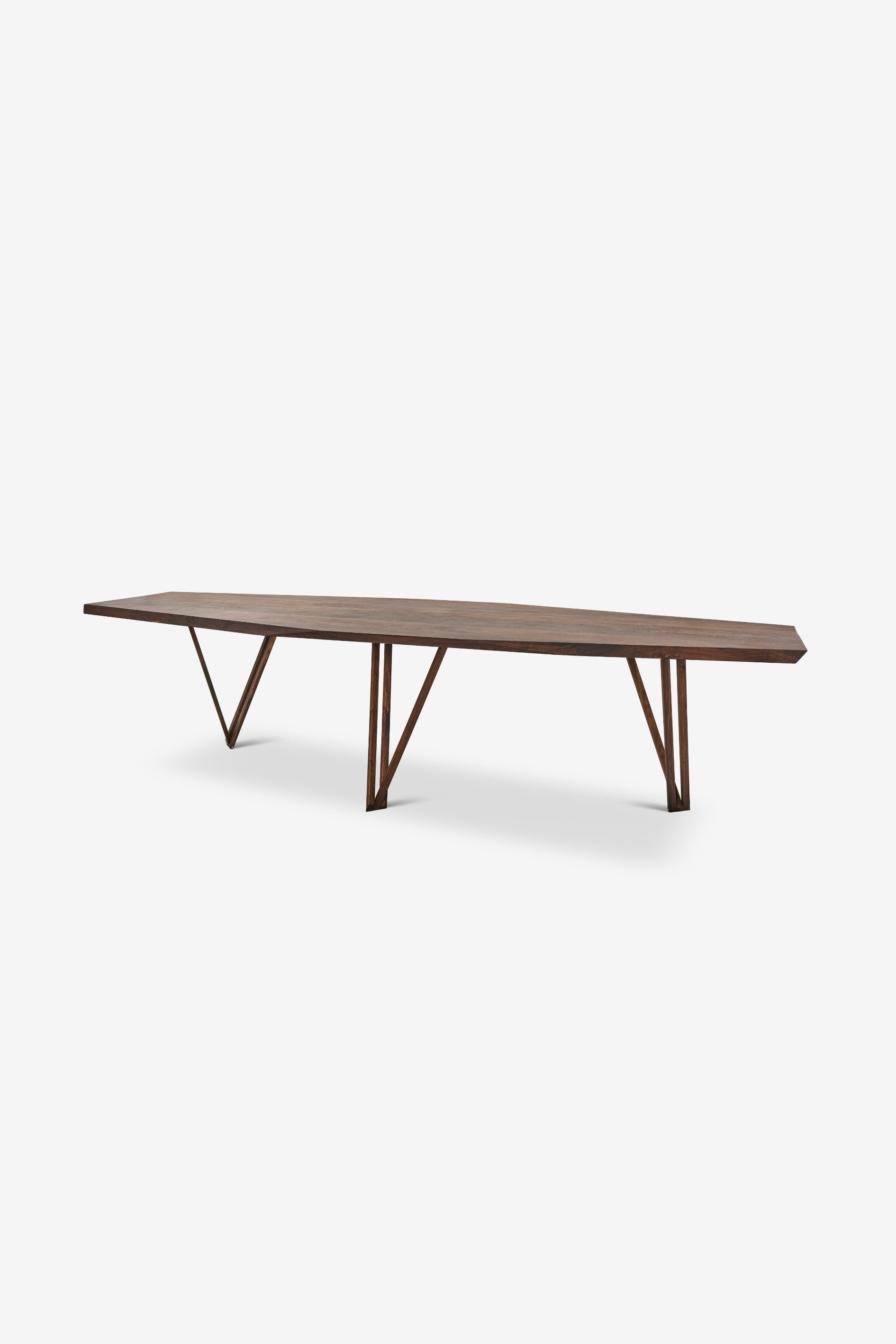
Consider a Dining table JN01 in walnut wood placed upon a light oak floor. This is a quintessential example of how contrast creates a focal point. The dark surface of the table and its sharp yet soft angles stand out distinctly, becoming the room’s natural gathering place. In this tension between light and dark, the individual qualities of each material are allowed to shine. The oak provides a bright, stable foundation, while the walnut adds a layer of sophistication and visual weight that grounds the entire setting.
Finding the Common Thread in Grain and Undertones
While contrast is vital, a harmonious room still requires a "common thread" to feel unified. When you begin mixing wood tones, it is helpful to look closely at the wood’s undertones. Wood generally falls into a warm, cool, or neutral category. Walnut often possesses a warm, slightly grayish undertone, which allows it to pair beautifully with other warm species. However, it can also act as a necessary source of warmth in a room featuring cooler materials like polished concrete, steel, or glass.
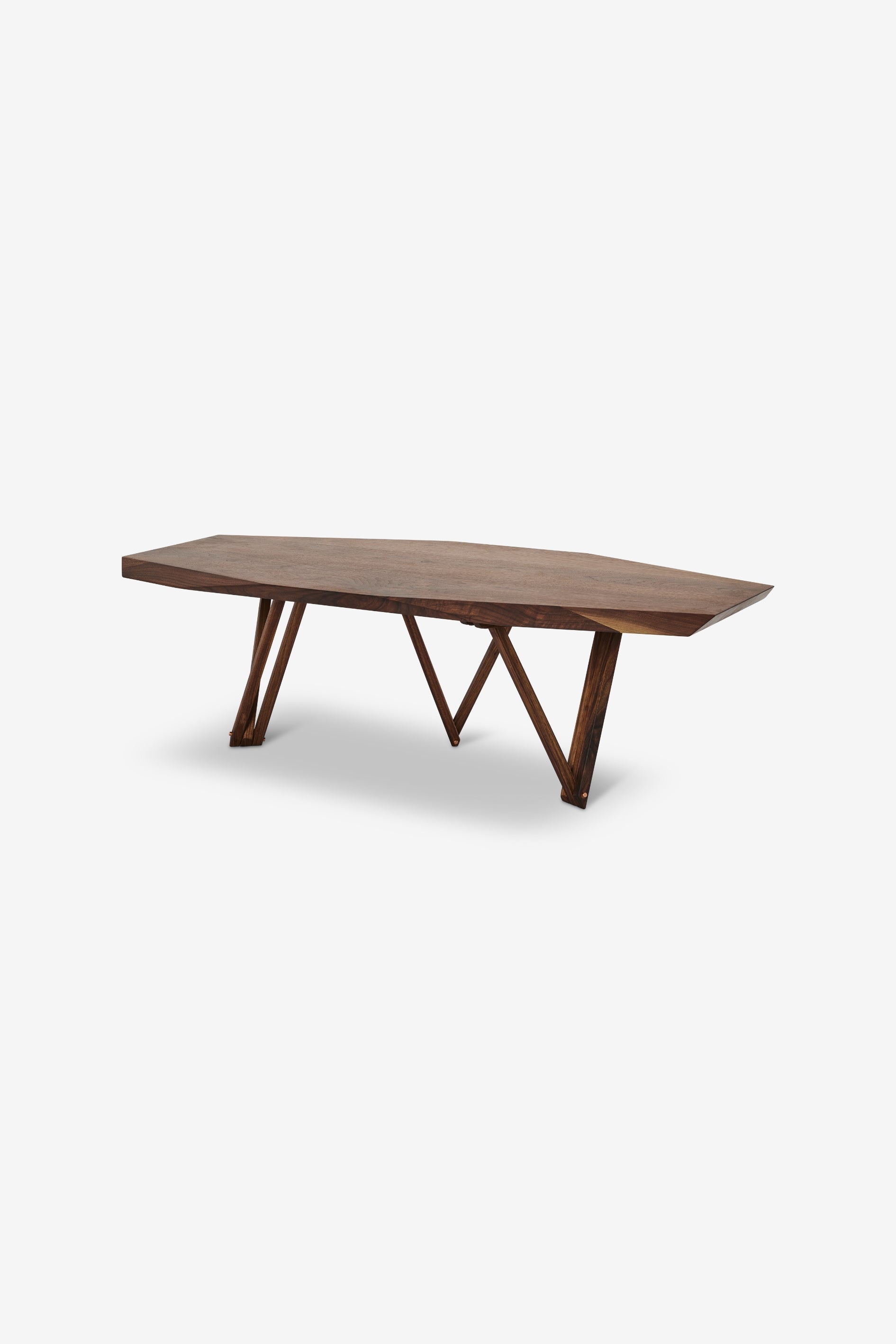
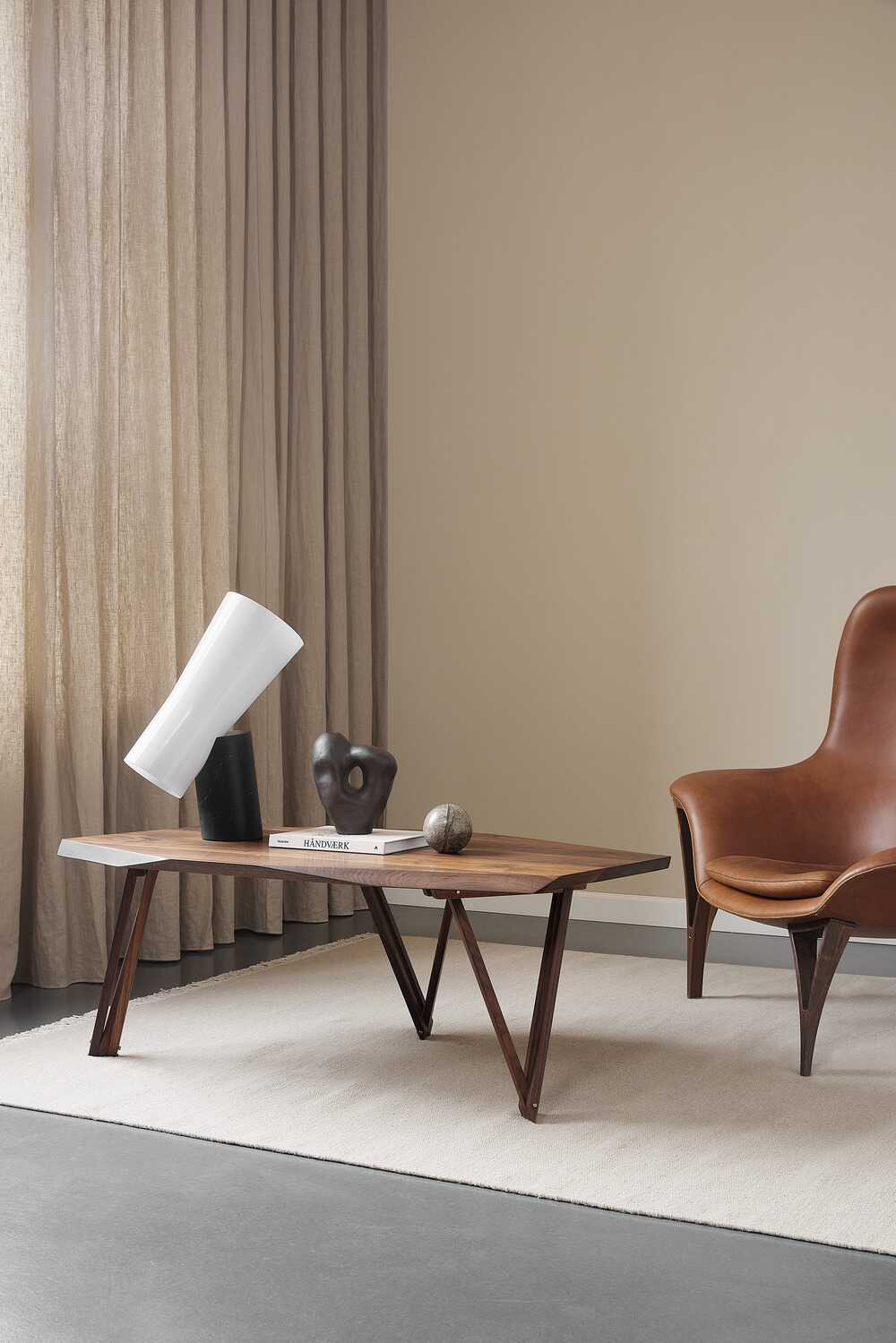
Another way to create continuity is through the visual rhythm of the grain patterns. If your flooring has a high degree of variation and prominent knots, you might choose furniture with a more refined, calm structure to avoid visual clutter. At Noyer, we select every plank with immense care to ensure the play in the wood remains harmonious. Our Coffee table JN02 in walnut wood is specifically designed to highlight the natural life of the timber, making it an ideal element in an interior where you wish to break up uniform surfaces with something organic and vibrant.
The Power of Repetition
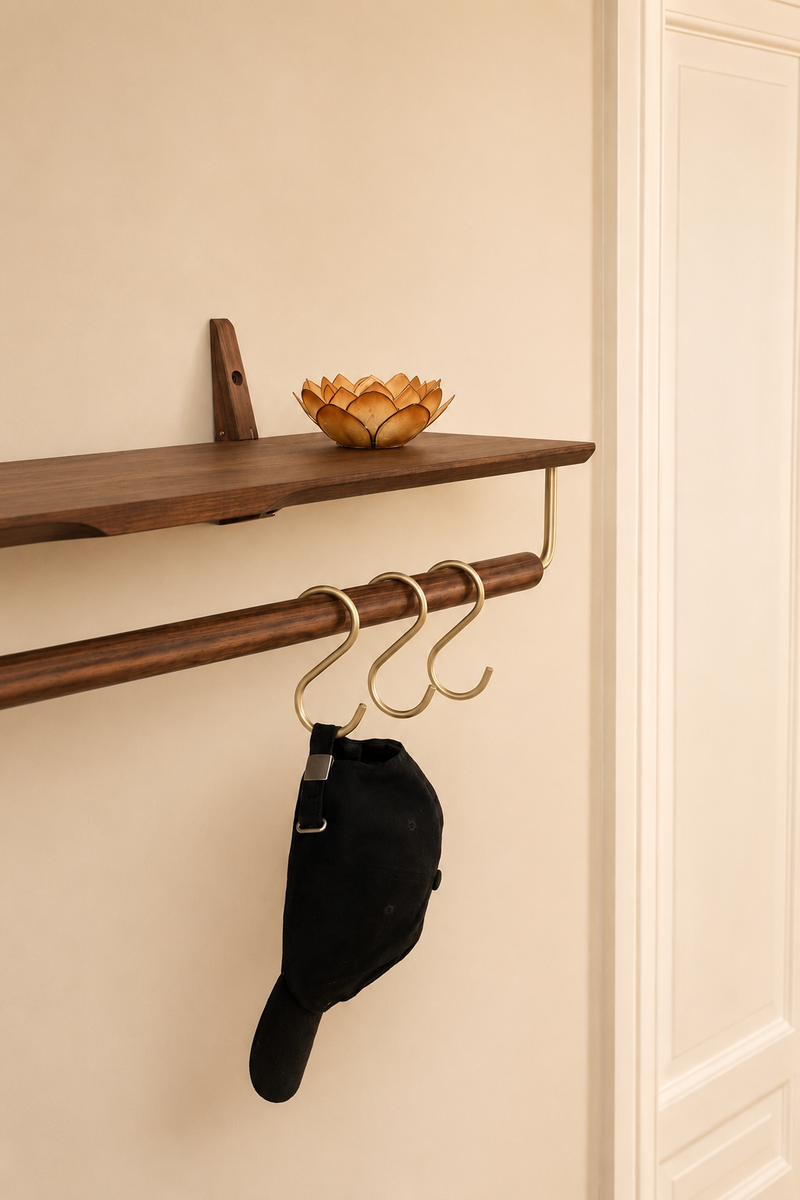
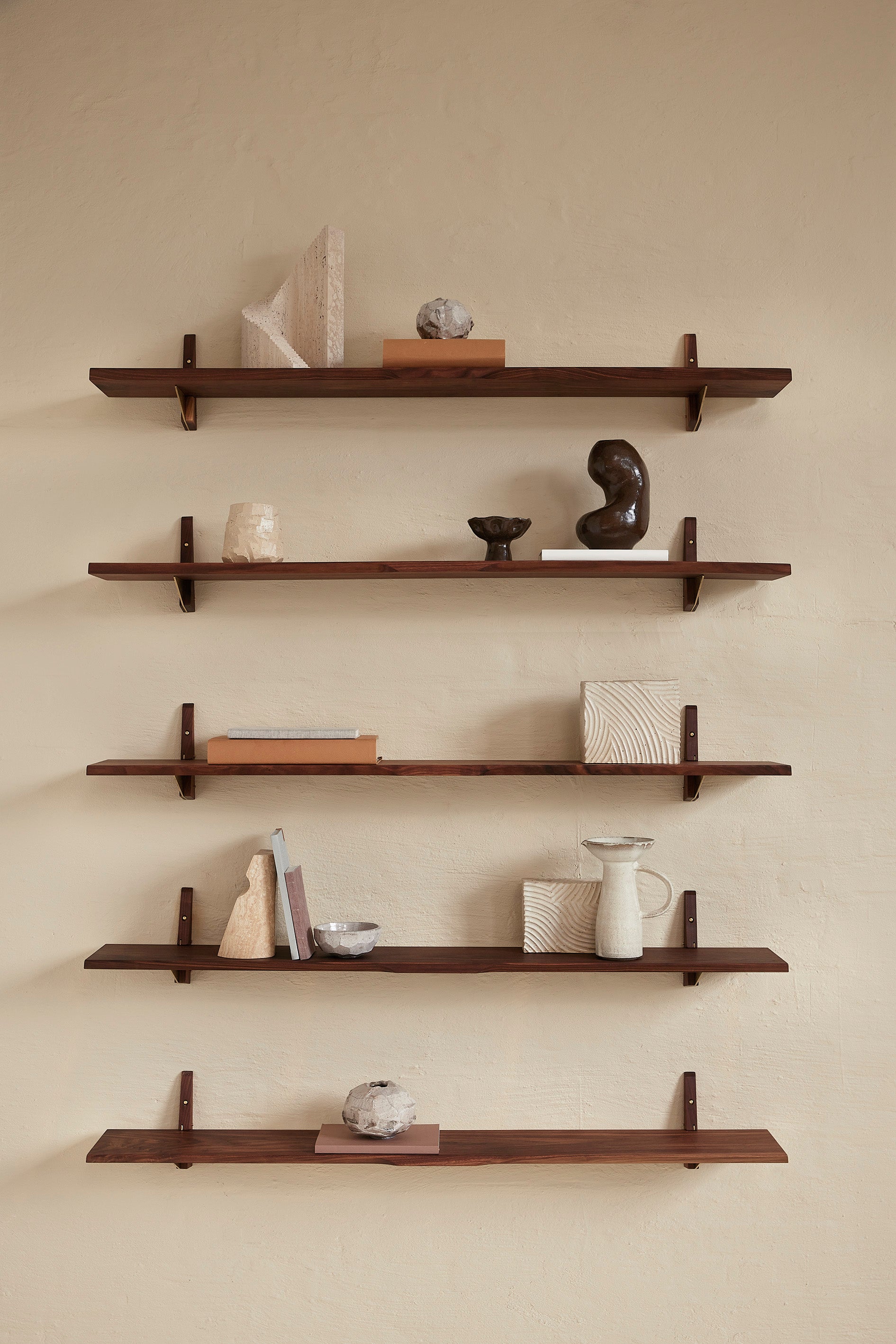
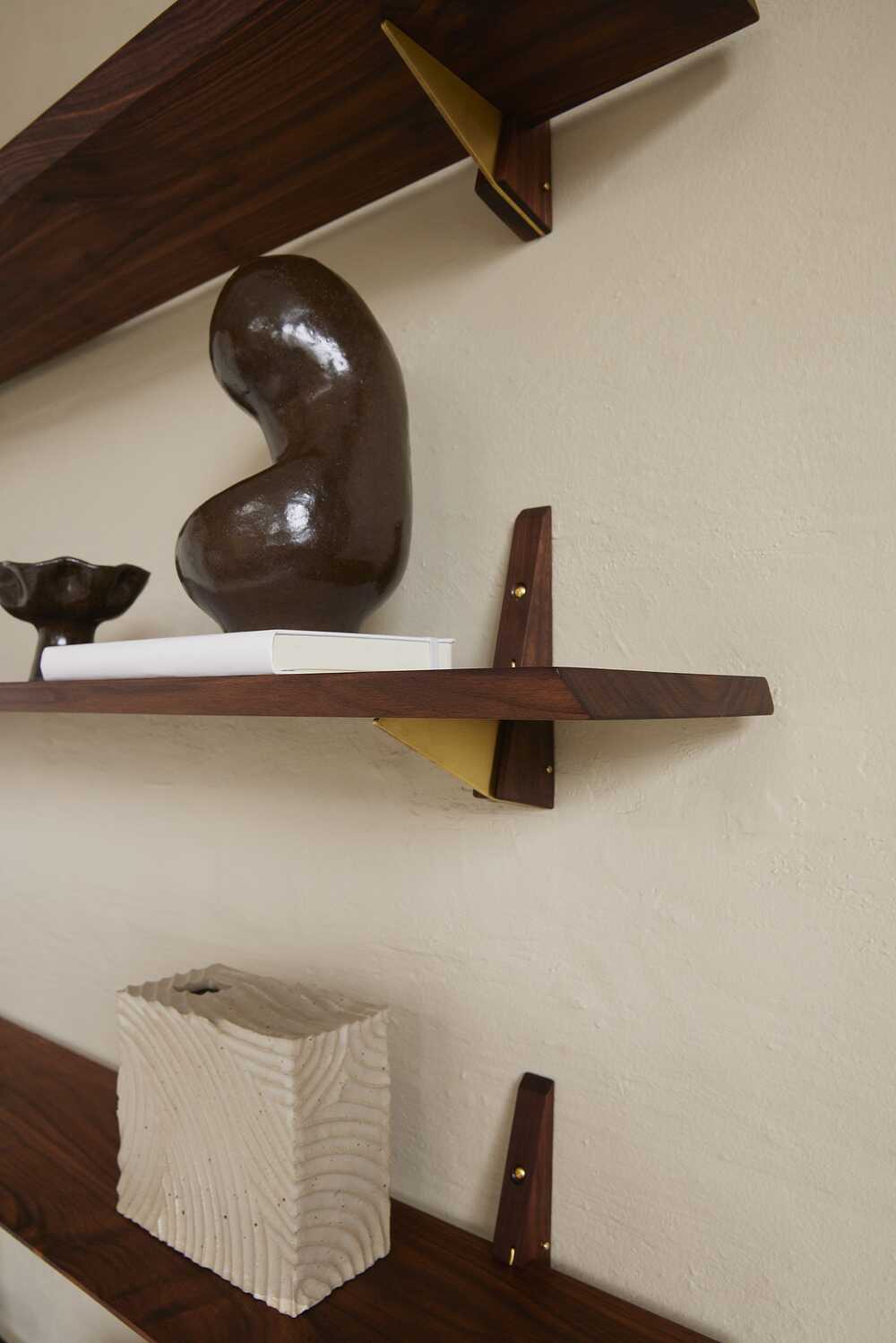
A reliable rule of thumb when working with multiple wood species is the art of repetition. If you introduce a new material, such as walnut, into a room dominated by oak, that material should ideally appear in more than one place. This does not require large, heavy furniture; even smaller elements can significantly impact the overall impression. A Wooden shelf JN10 in walnut mounted on the wall can visually tie a dining table in the same material to the rest of the room. By allowing the dark wood to reappear at different heights and in different functions, you create a natural rhythm that leads the eye through the space, making the mix feel deliberate and balanced.
Oak and Walnut: The Perfect Design Duo
The question of whether one can combine oak and walnut is one of the most frequent inquiries we receive in our showroom. Our answer is a resounding yes. The combination of oak and walnut is a classic in modern Danish design because the two species complement each other without competing for attention. The robustness and honest, light expression of oak form a tranquil base, while the elegance and depth of walnut provide the necessary luxury and warmth to elevate the room.
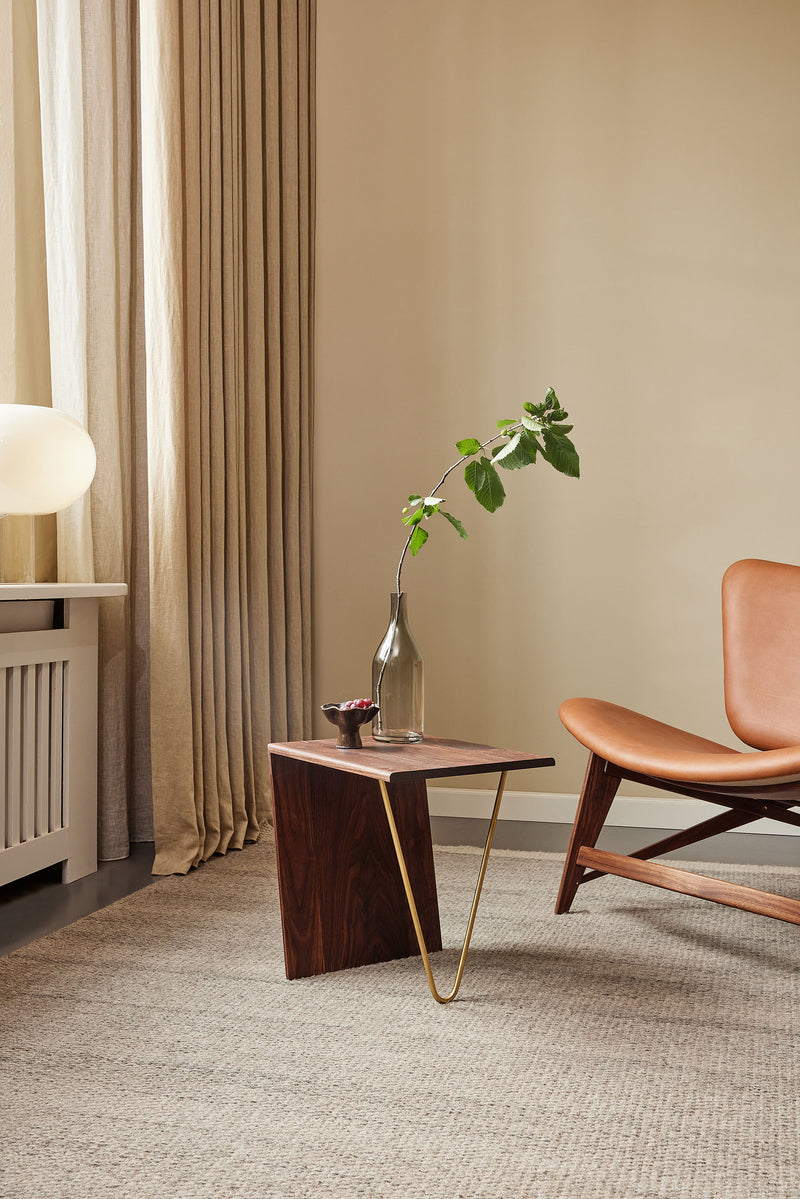
When styling with these two species, think in layers. The floor and perhaps the built-in cabinetry can be in light oak, serving as the canvas. The freestanding pieces, those intended to have the most character, are then chosen in walnut. This creates a layered visual experience where the eye is guided from the expansive, light surfaces to the dark, detail-rich objects. It is about establishing a hierarchy in the room, where the walnut is permitted to be the exclusive detail that lifts the entire interior design. This approach works particularly well in the living room, where tables of varying heights and tones can create an inviting, lived-in atmosphere.
Practical Considerations and the Beauty of Patina
When mixing wood tones, it is also worth considering how the materials will age. Wood is a living substance that develops a patina over time as it is exposed to light and daily use. Walnut has a natural tendency to become slightly lighter and more golden over the years, while many light woods may become a bit darker or warmer in tone. This organic process actually helps bring different wood species closer together over time, softening the initial contrasts into a mellow, unified palette.
To preserve the inherent beauty of the wood and ensure that different species age gracefully, proper care is essential. Whether it is a large dining table or a small accessory, the right oil treatment will enhance the wood’s luster and protect it from the rigors of daily life. You can explore more about how to best care for your furniture in our guide to Care and Maintenance. Consistent maintenance ensures that your furniture is not only functional today but becomes more beautiful for every generation that uses it. High-quality wood is an investment in the future, and its changing character is part of its enduring charm.
Crafting Your Personal Expression
Ultimately, interior design is about creating a home where you feel at ease. There are no rigid rules that cannot be broken if the result feels right to you. Mixing wood tones is an invitation to play with materials and trust your own aesthetic intuition. By combining Noyer’s dark walnut with your existing interior, whether it consists of oak, teak, or ash, you add a timeless quality that transcends fleeting trends. The goal is not perfection, but a home that reflects your personality and appreciation for craftsmanship.
If you are uncertain about how a specific combination will look in your home, we always encourage you to reach out or visit us to experience the materials firsthand. We are happy to help you find the right balance, ensuring you create a space that is unique, functional, and beautiful. Explore our full range of accessories and furniture to find the pieces that will complete your personal interior narrative. In the end, the most beautiful homes are those where the materials tell a story of quality, care, and a life well-lived.