When you step into a room shaped by Danish design, you feel it immediately. It is not necessarily something that shouts for attention: it is, rather, a sense of calm, a tactile joy in letting your hand glide over a perfectly sanded surface of walnut wood, and an intuitive understanding of how the furniture is meant to be used. But the question often arises among both connoisseurs and the curious: Why is Danish design so famous, and what defines Danish design exactly?
The answer is found in a rare union of social consciousness, a deep understanding of materials, and an unwavering belief that beauty and function are not opposites, but prerequisites for one another. At Noyer, we see ourselves as custodians of this heritage. In our workshop in Valby, we strive to carry these proud traditions into a modern context, where personal craftsmanship has once again become the focal point of the home.
The Legacy of the Golden Age and the History of Danish Design
To understand the global success of the movement, we must look back at the Golden Age of Danish design, which stretched from the 1940s to the 1960s. During this period, masters such as Hans J. Wegner, Finn Juhl, Arne Jacobsen, and Børge Mogensen created the foundation for what we now call Scandinavian minimalism. But it was not merely a matter of style: it was a philosophy.
Following the war, there was a need for furniture that was accessible, durable, and functional. Danish designers took the human body and everyday needs as their starting point rather than decadent ornamentation. The philosophy that form follows function became the guiding principle. Designers stripped away the superfluous, leaving only the essential. This honesty in design struck a chord internationally, particularly in the United States, where Danish Modernism was seen as a fresh, humanistic alternative to the heavier, more decorative European traditions.
Today, we see this legacy reflected in everything from our handcrafted tables to the most complex seating. It is a story of respecting the past while daring to challenge contemporary production methods.
What Defines Danish Design Today?
If one were to boil the essence down to a few core pillars, it would be difficult to overlook concepts such as functionalism, simplicity, and materiality. What defines Danish design most significantly is the ability to create something timeless. A piece of Danish furniture is not designed to follow a fleeting trend; it is designed to grow more beautiful with the passing years.
Utilitarian Beauty: Human-Centric Design
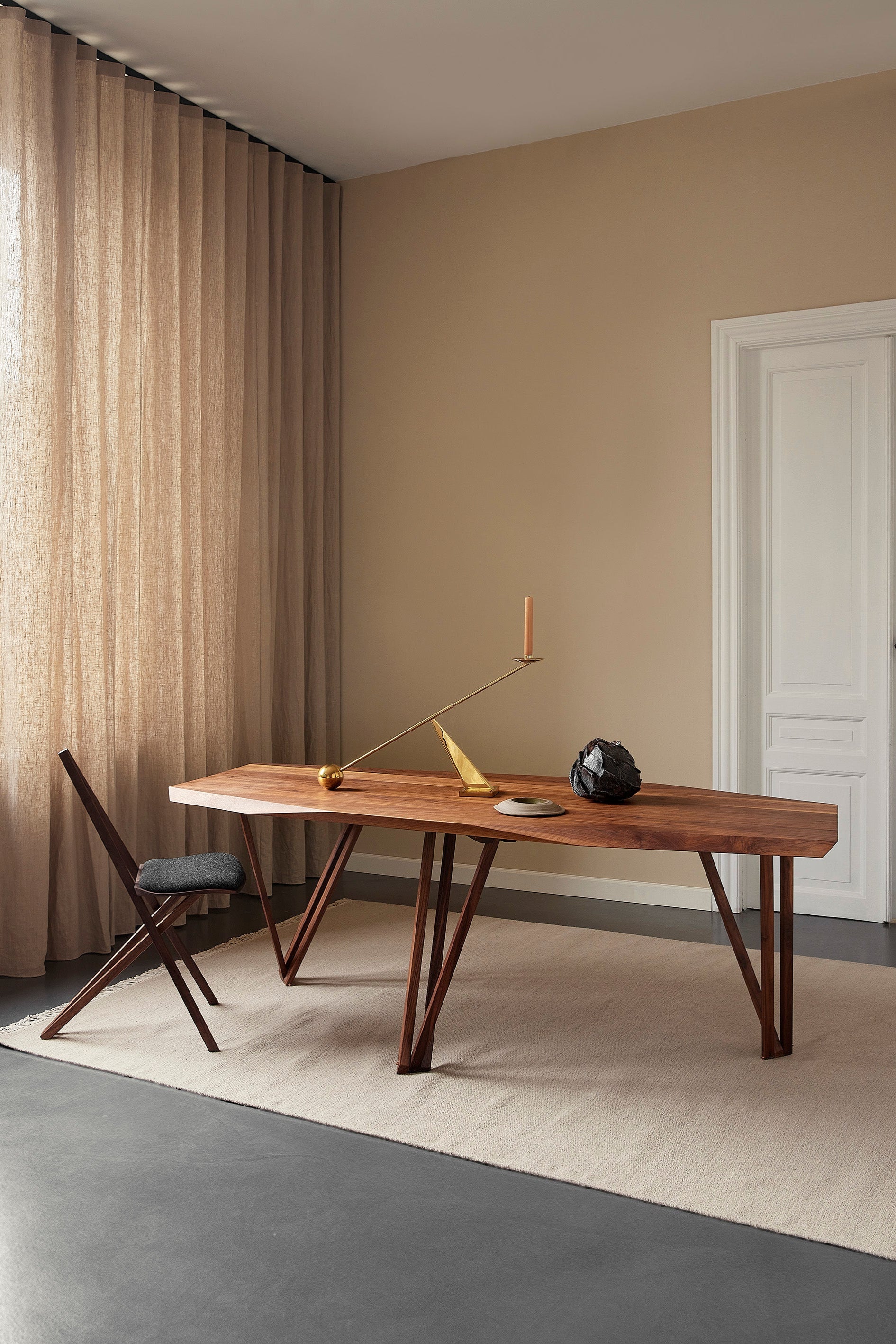
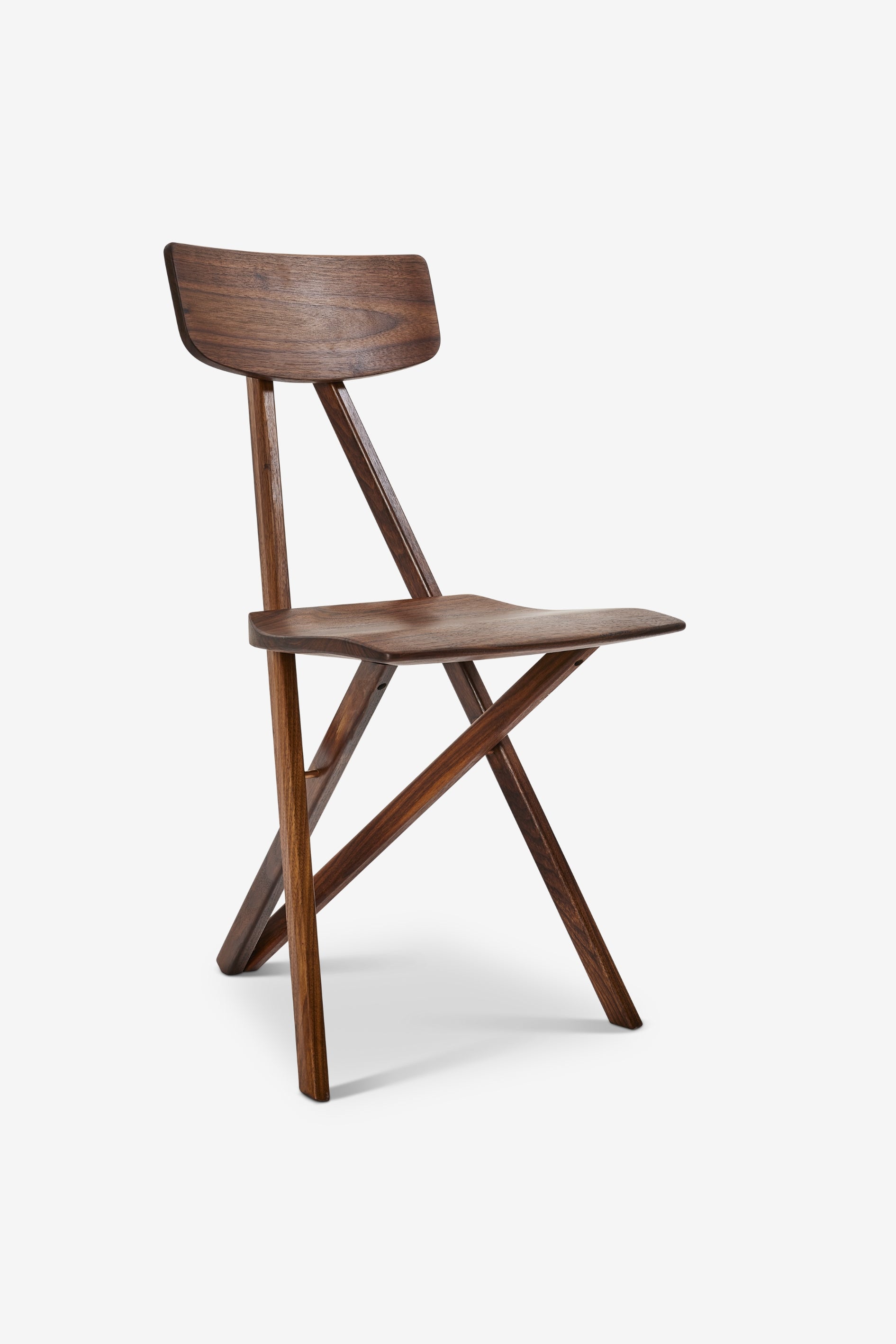
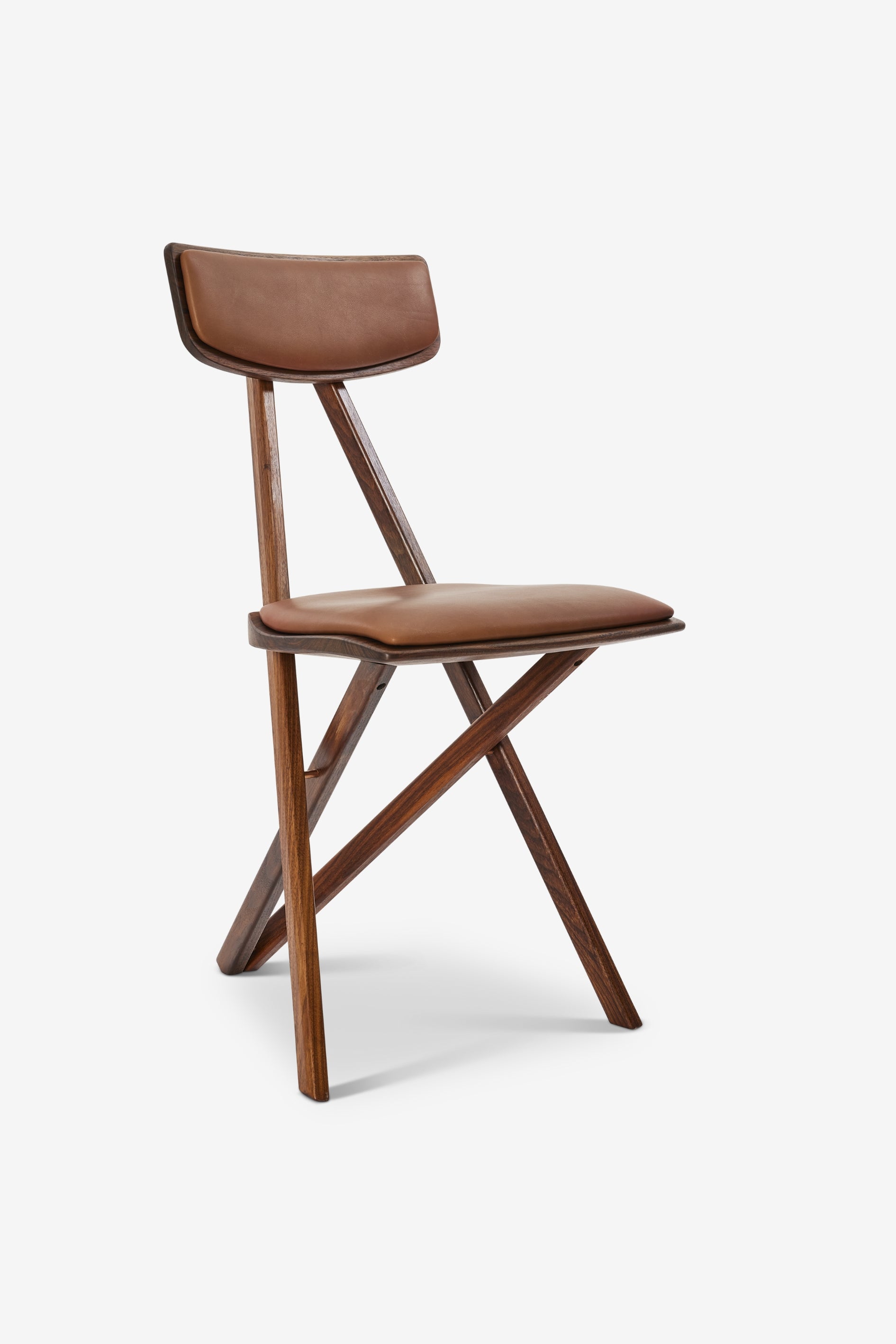
In the Danish tradition, it is never enough for an object to be beautiful to look at. It must work in practice. A chair must provide the correct support for the back, and a table must have the right height and surface to serve as the framework for life’s large and small moments. Take, for example, our Dining chair JN16 in walnut wood. Here, the angle of the backrest and the shape of the seat are the results of countless considerations regarding sitting comfort, ensuring that dinner can last for hours without discomfort. This is what we call utilitarian beauty: beauty that arises in the meeting with function.
Material Honesty and the Grace of Patina
Another central characteristic is the love for natural materials. Wood, leather, and wool are not just raw materials; they are living elements that tell a story. In Danish design, one does not try to hide the nature of the material, but rather to highlight it. At Noyer, we work primarily with American walnut because it possesses a depth and warmth that few other wood species can match.
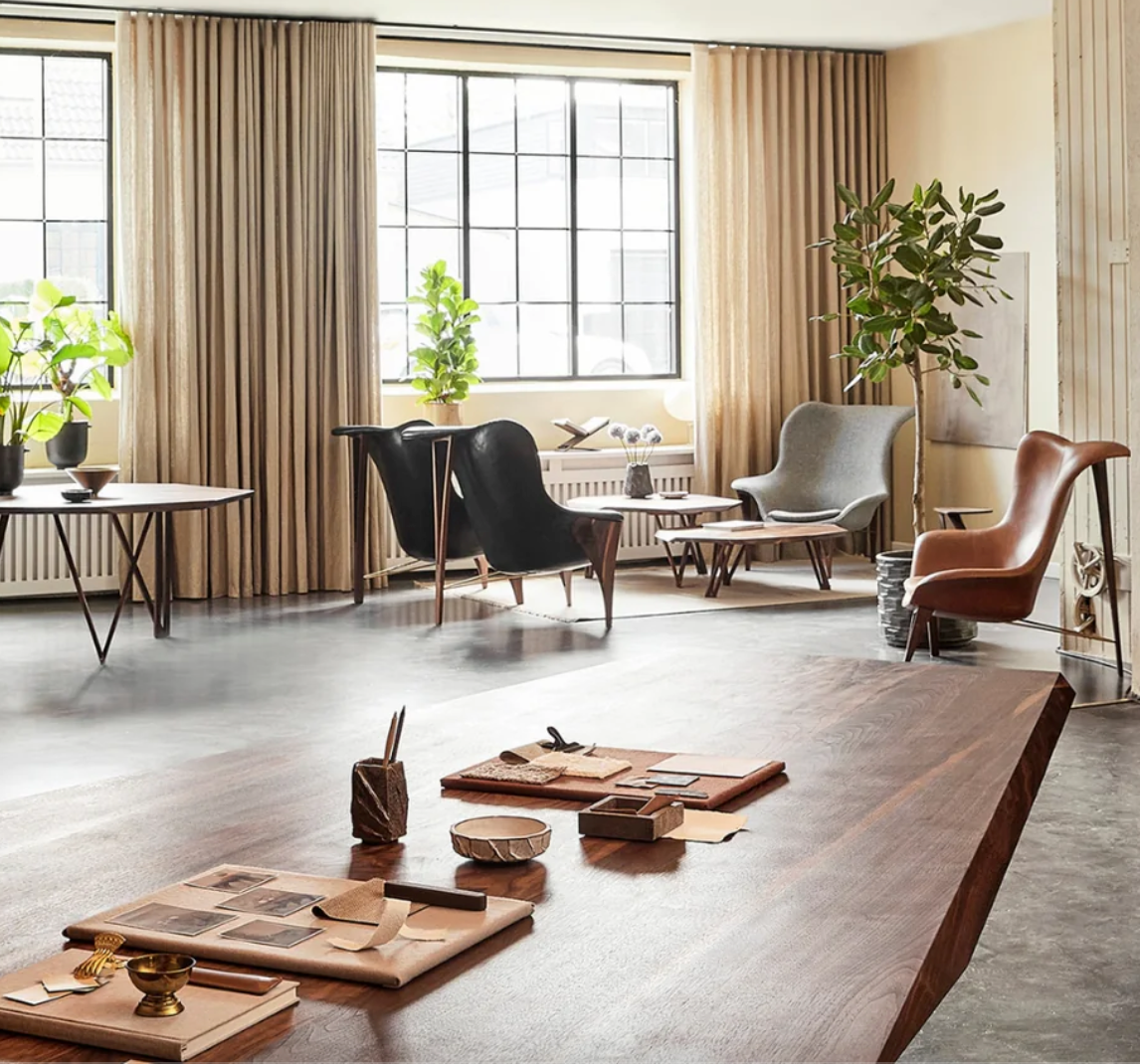
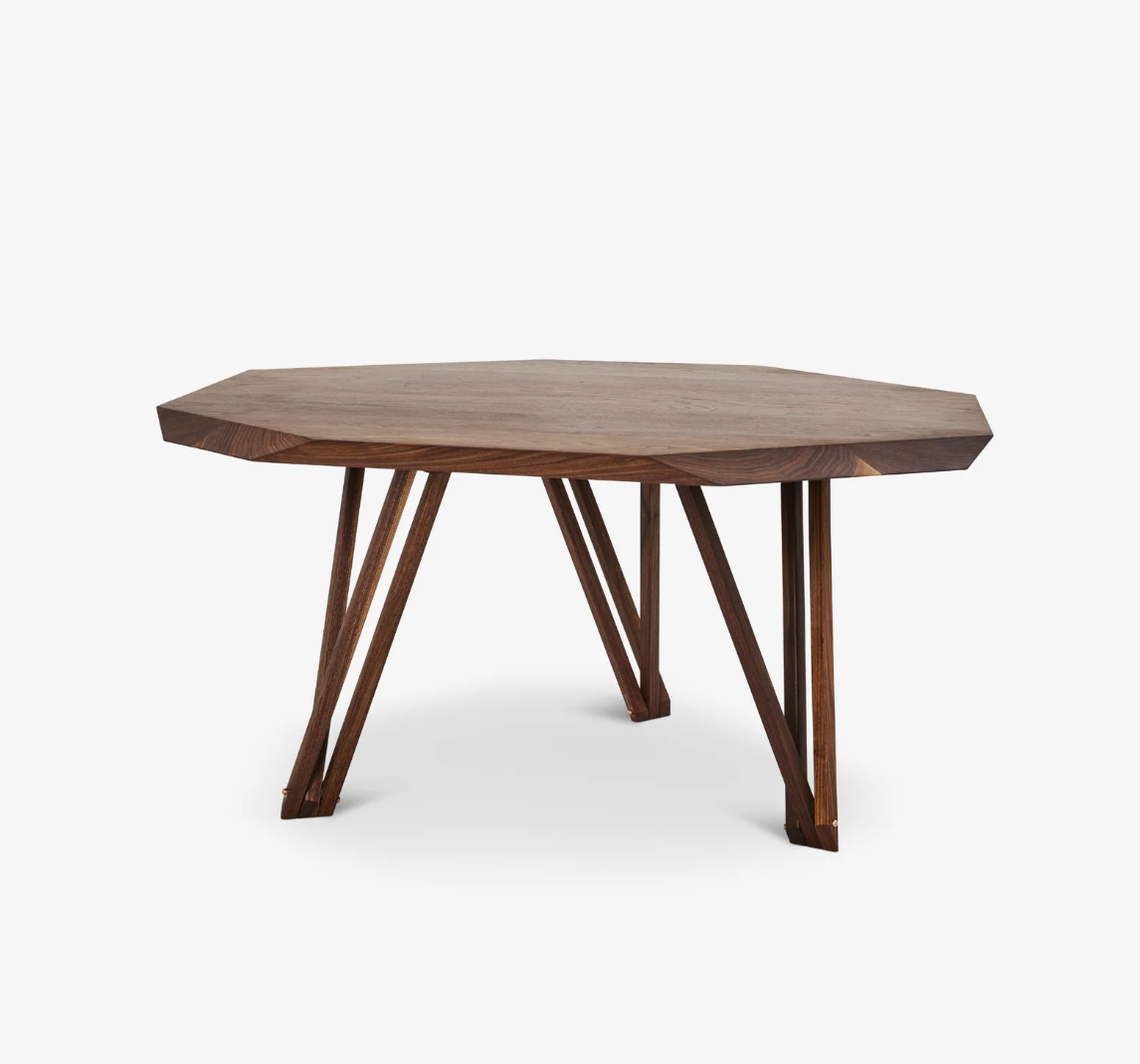
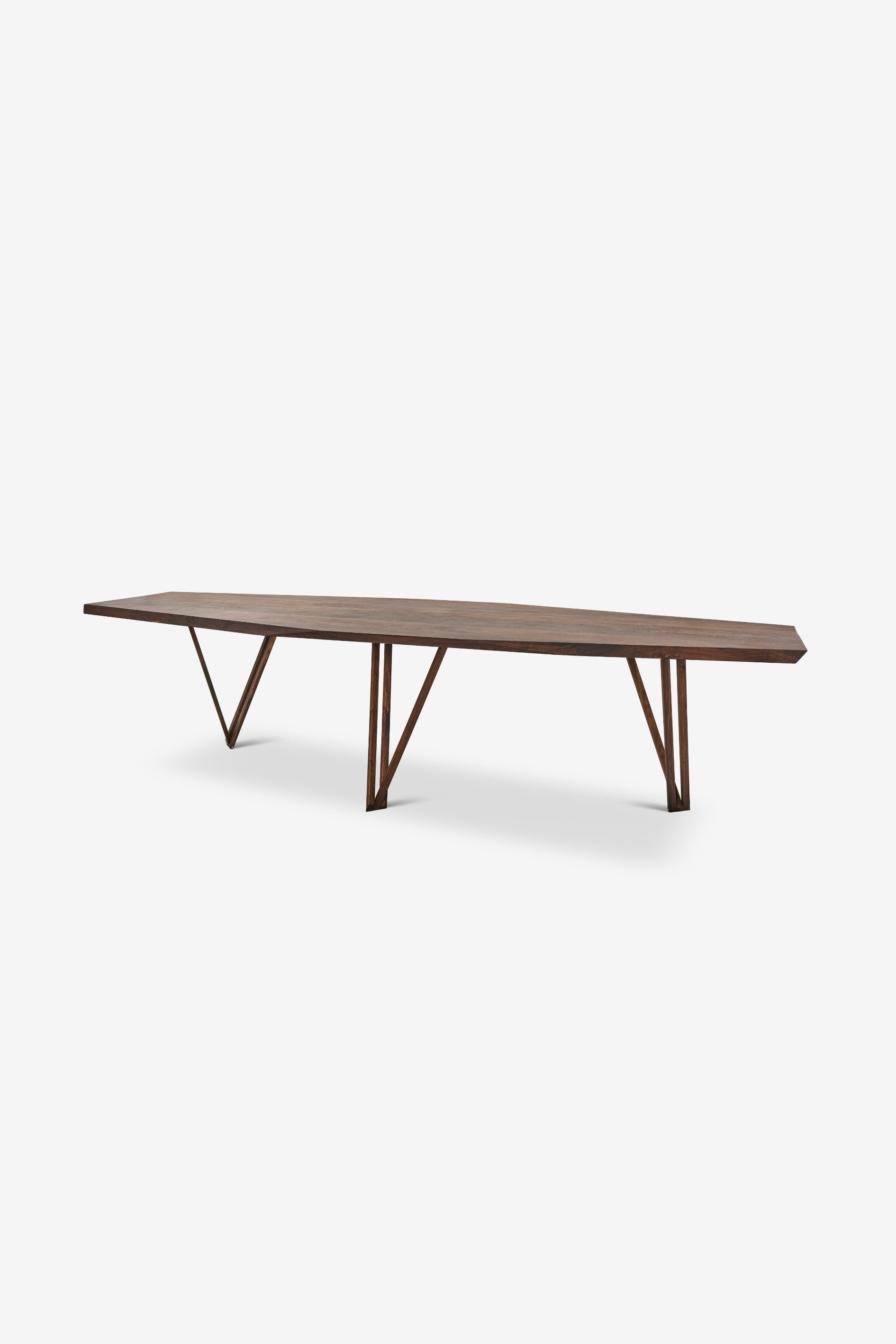
When we create a Dining table JN01 in walnut wood, we focus on letting the grain patterns play against the table’s octagonal form. We know that the wood will develop a unique patina over time: the small marks of use and the influence of light will make the table more personal and beautiful as the years go by. This acceptance of the passage of time is a vital part of the Danish design understanding.
Artisanal Craftsmanship as the New Modern Luxury
In a world characterized by mass production and quick fixes, authentic craftsmanship has become the new luxury. One of the reasons Danish design remains coveted abroad is our insistence on quality at every stage. It is about the level of detail: how two pieces of wood meet, how an edge is chamfered, and how the finish feels against the skin.
Many ask why Danish furniture often sits at a higher price point. The answer lies in durability and human effort. When a piece of furniture is created by a skilled cabinetmaker who has spent hours selecting the right planks and refining every angle, you are not just buying an object; you are investing in a piece of cultural history. These are pieces that can be passed down through generations, which in itself is the most sustainable form of consumption.
Our approach to artisanal craftsmanship is about preserving this precision. Every piece of furniture that leaves our workshop is unique, because the wood is unique, and because it is hands, not just machines, that have shaped it. This tactility is something that cannot be replicated in an industrial process, and it is precisely this soul that design lovers worldwide seek.
From Mid-Century Icons to Future Classics
Even though we stand on the shoulders of giants, Danish design must never become a museum piece. It must evolve and dare to experiment with new forms and needs. In recent years, we have seen a resurgence of new Danish talents who dare to challenge established frameworks while still respecting the fundamental principles of functionality and quality.
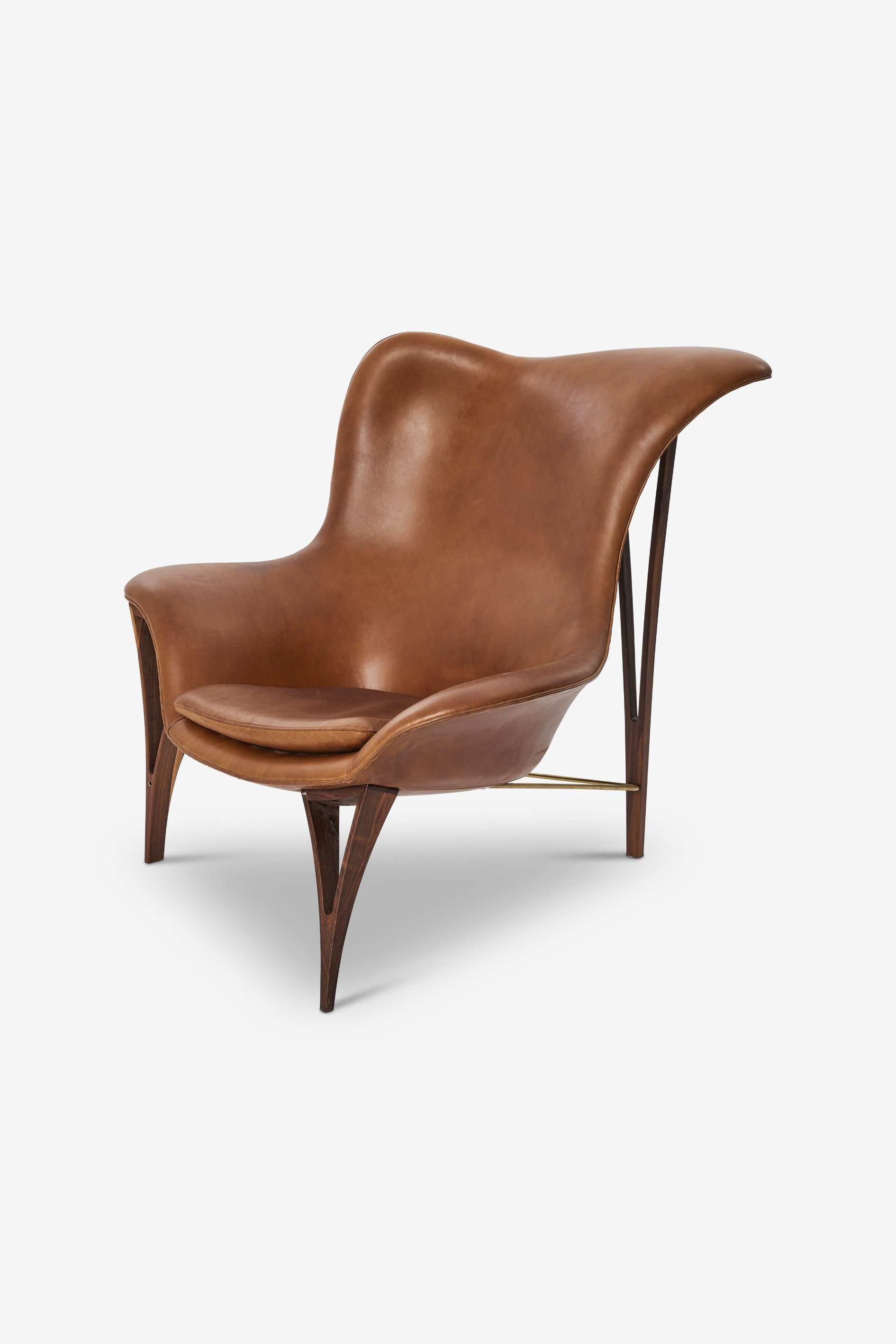
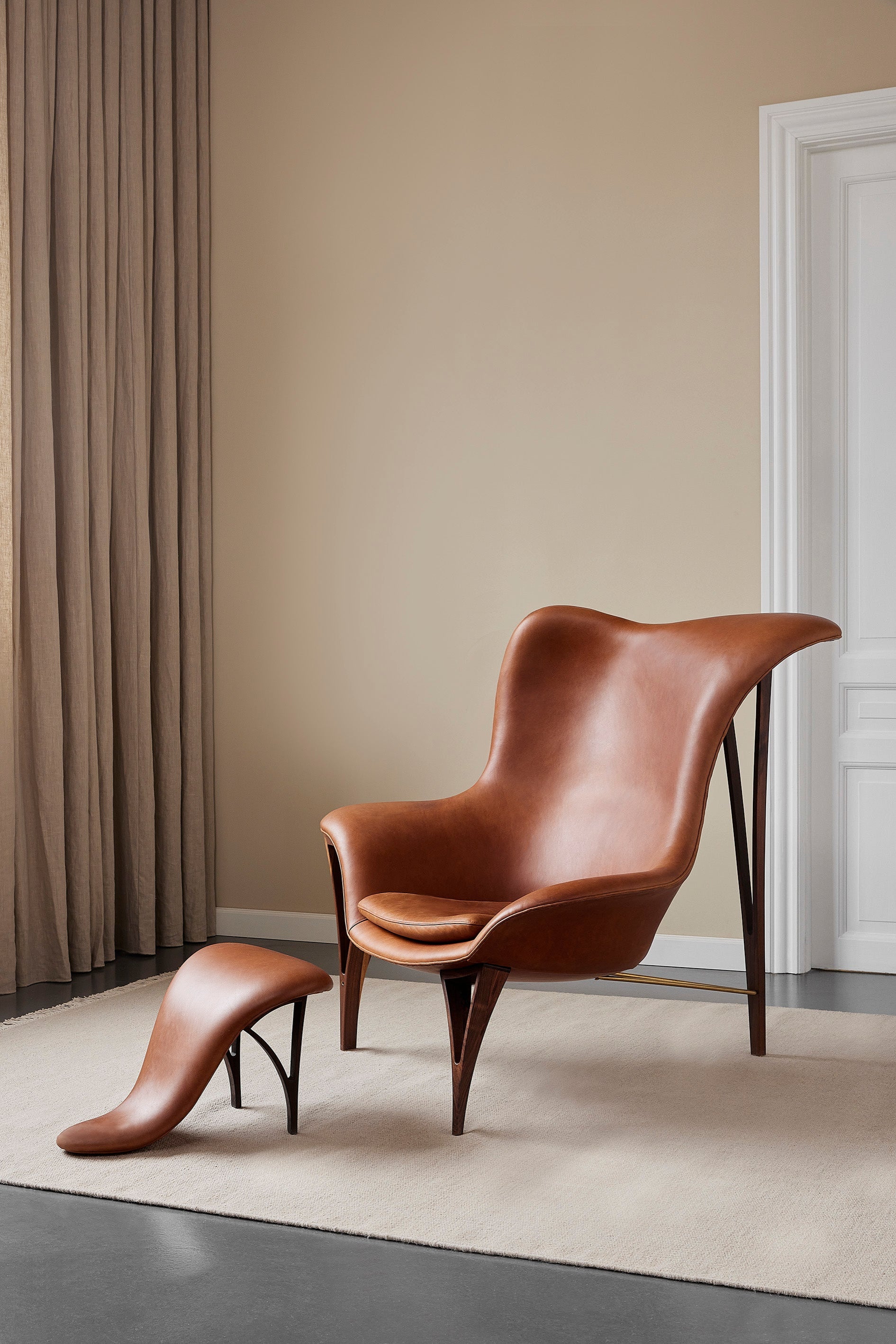
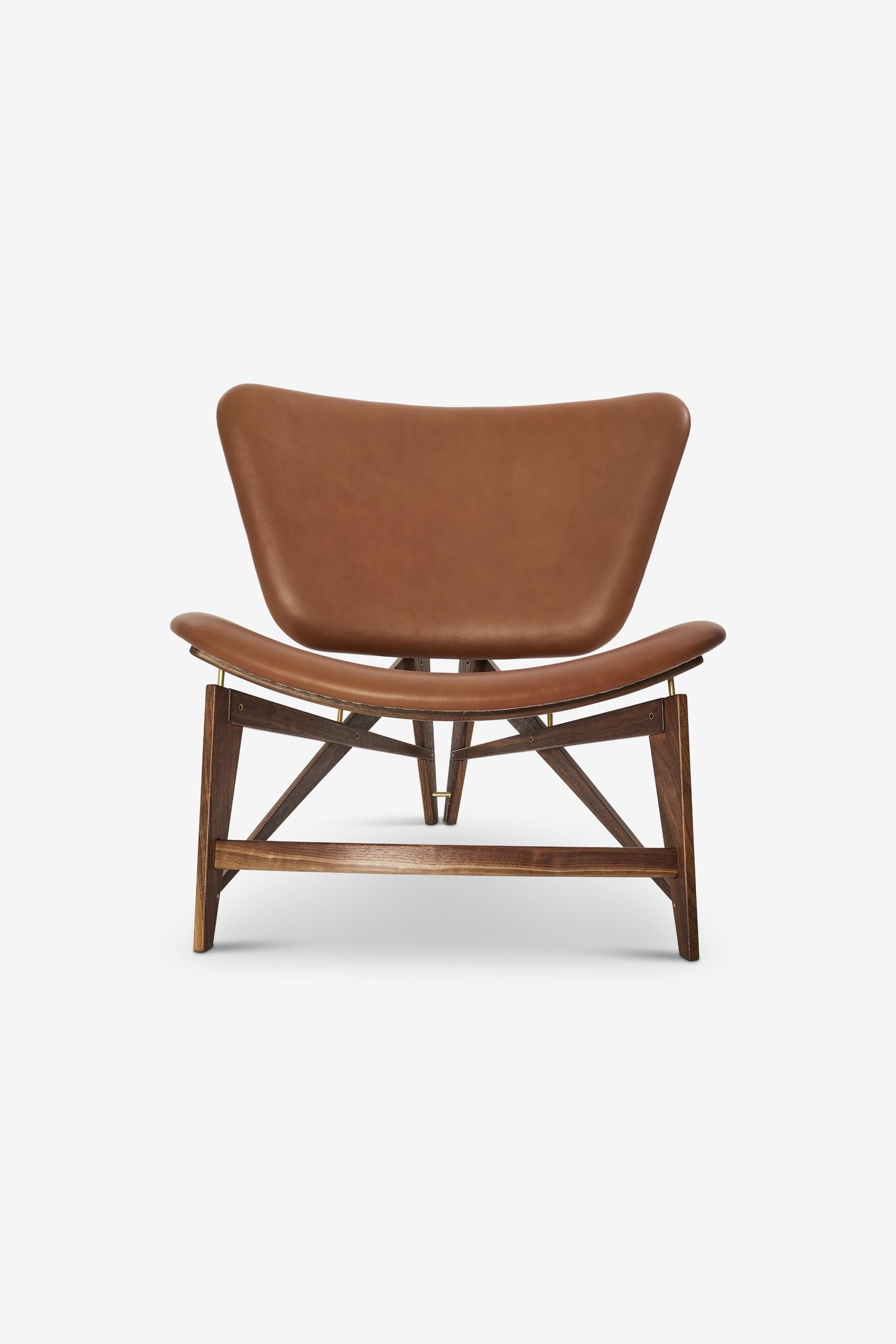
An example of this quest to create the classics of tomorrow is our Armchair JN07 Leather. The chair was born out of a desire to create a piece of furniture with complete freedom in its formal language, leading to its nomination in the program Denmark’s Next Classic. With its organic curves and the uncompromising use of leather and walnut, it represents a modern interpretation of the Danish design tradition: it is both playful and disciplined, wild and functional.
This ability to renew itself without losing its core is exactly why Danish design continues to be relevant on the global stage. We see it in everything from large architectural projects to the small accessories that make a difference in everyday life.
An Investment in Everyday Beauty
Danish design is, in its essence, a celebration of the everyday. It is about surrounding oneself with objects that make life easier and more beautiful. Whether it is a simple magnetic knife rack or a grand dining table, the goal is the same: to create harmony between human, space, and object.
When we are asked abroad what defines Danish design, we often point to this holistic thinking. It is not just a chair: it is a seating experience. It is not just a table: it is a gathering point. By choosing Danish design, one chooses a lifestyle where quality is prioritized over quantity, and where good craftsmanship is allowed to speak for itself.
We invite you to experience this world of wood and form in our showroom, where you can feel the difference of genuine cabinetmaking and see how proud Danish traditions live on in every fiber of the walnut wood. For ultimately, Danish design is not something one should merely read about: it is something one should live with.