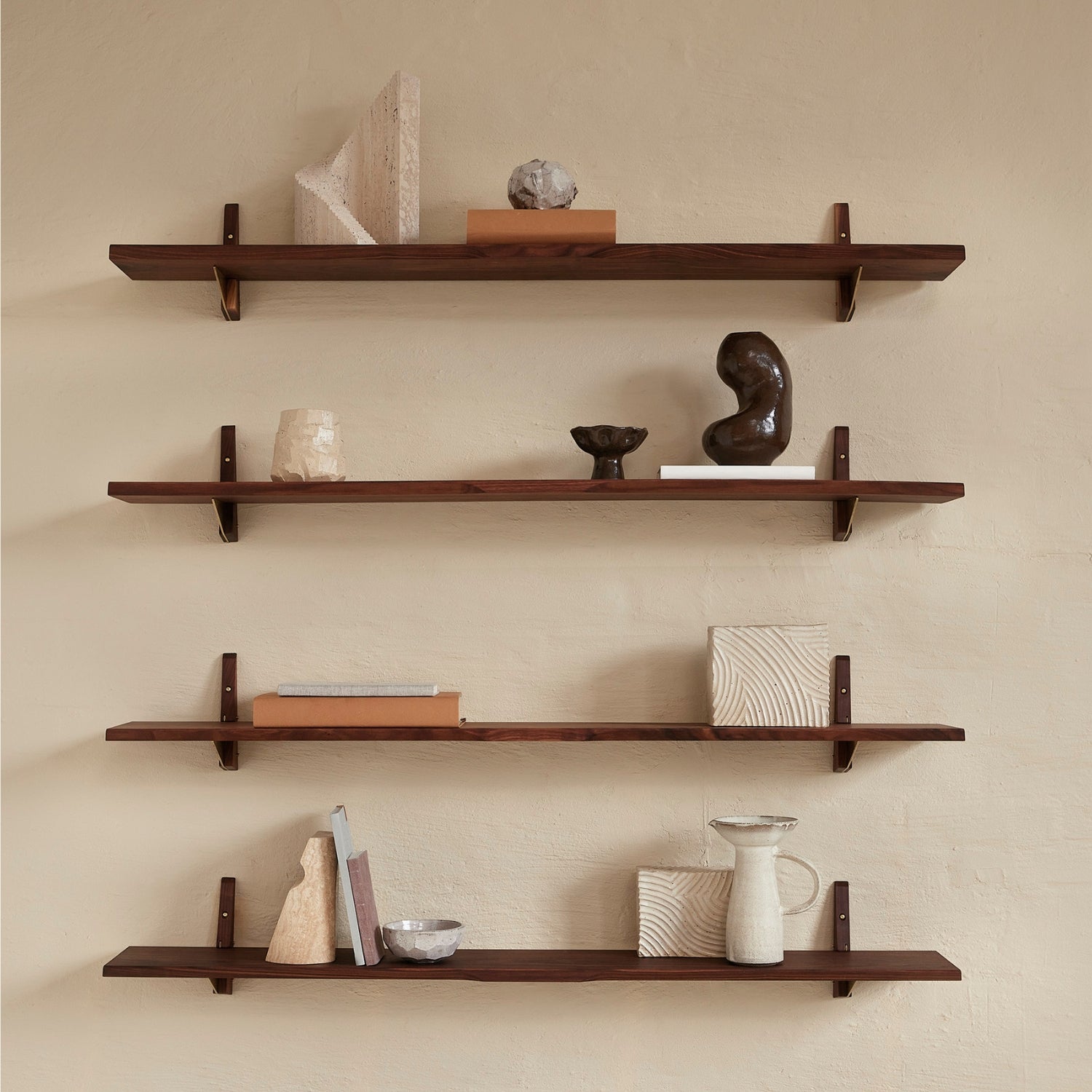
Scandinavian design has maintained a clear global presence for decades, outlasting passing decor trends. Rooted in mid-century functionalism, the Nordic approach treats furniture as a practical part of everyday life rather than an ornamental display. Instead of relying on applied decoration, Scandinavian furniture draws its identity from clean geometry, sound joinery, and the inherent character of natural materials.
Form and Practical Function
From the 1930s onward, Nordic designers reinterpreted European functionalism to meet domestic needs. The principle was straightforward: an object should serve its user directly. The international touring exhibition Design in Scandinavia, which visited museums across the United States and Canada between 1954 and 1957, brought this viewpoint to a broader audience.
The aesthetic eliminates surface clutter. Clean profiles and balanced proportions make rooms feel open and manageable. Daily activities, from sitting down to work to setting a table for dinner, become simpler when furniture prioritizes solid support and uncluttered surfaces over visual fuss.
Natural Materials and Hardwood
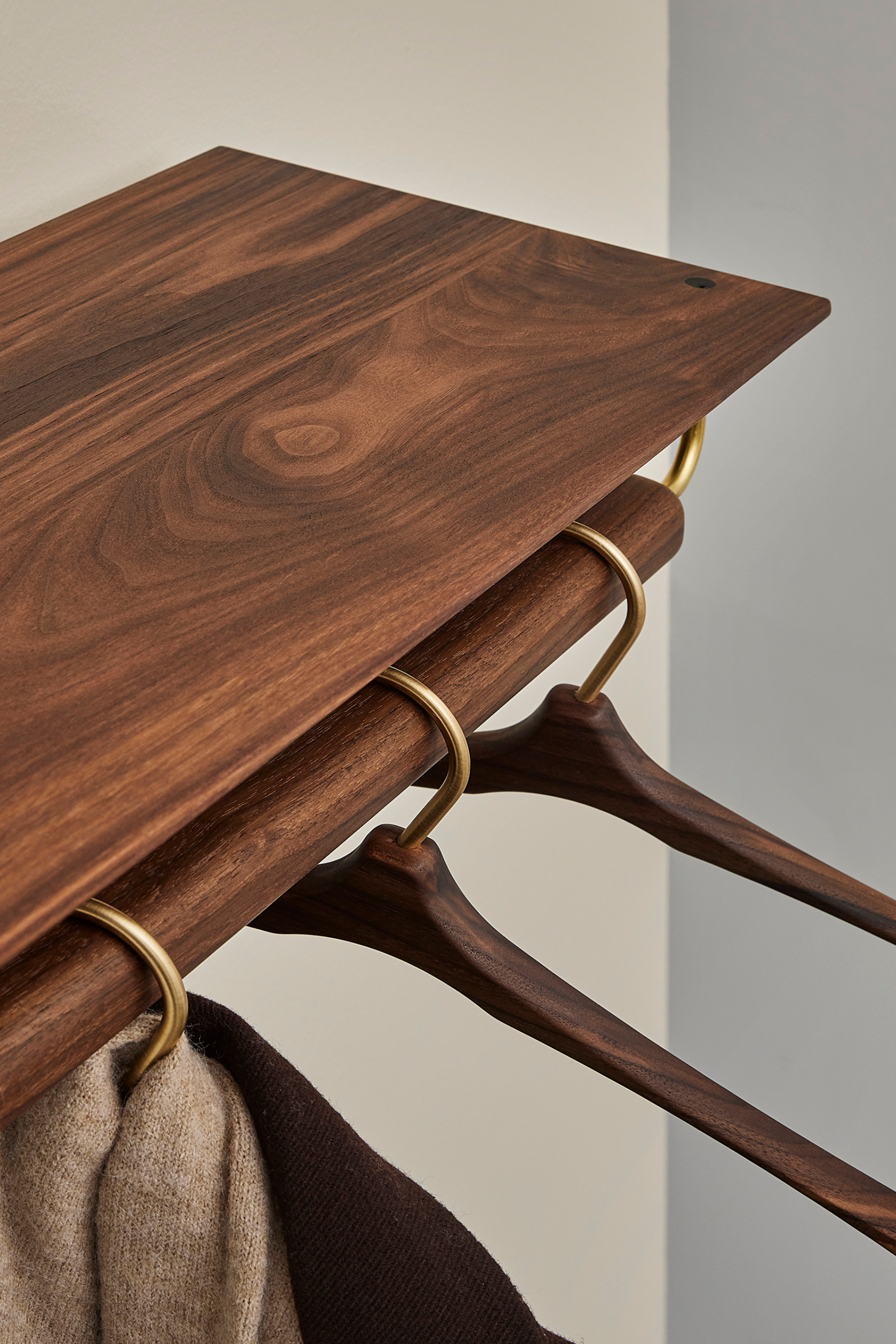
Natural materials are central to the Nordic tradition. Stone, leather, wool, and solid wood add physical texture to an interior without requiring artificial color. Rather than hiding the material under heavy lacquers, cabinetmakers celebrate grain patterns, knots, and natural shifts in tone.
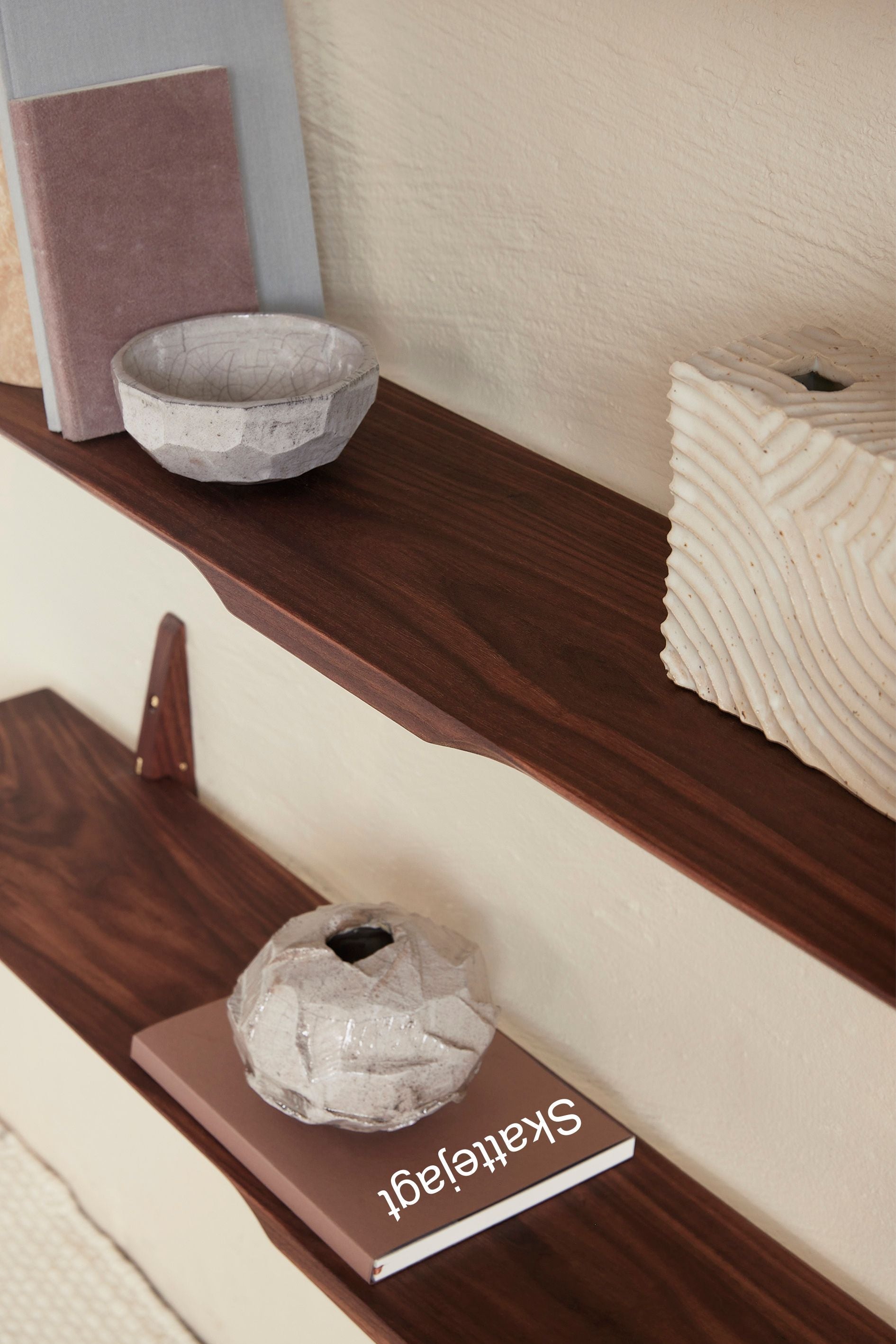
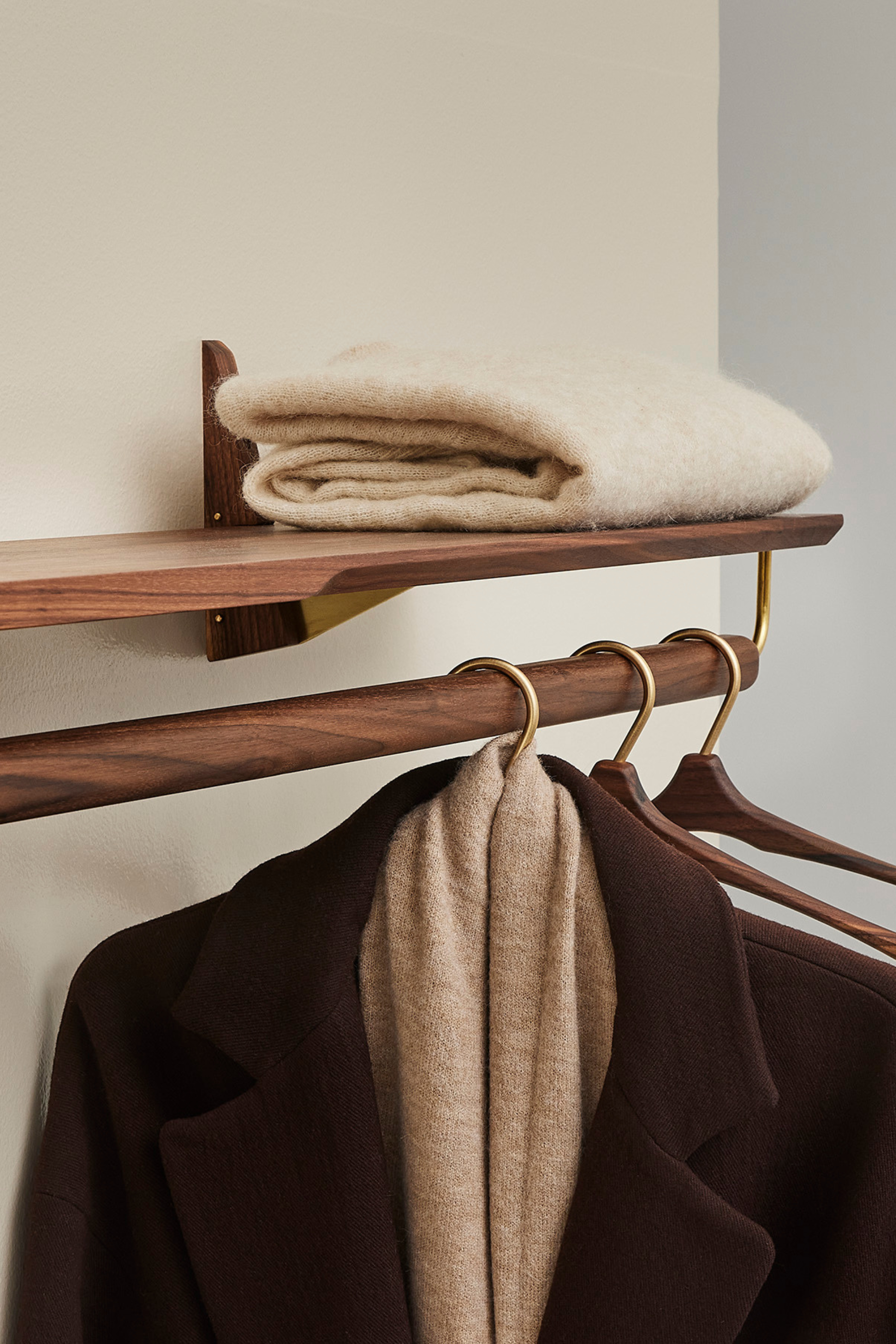
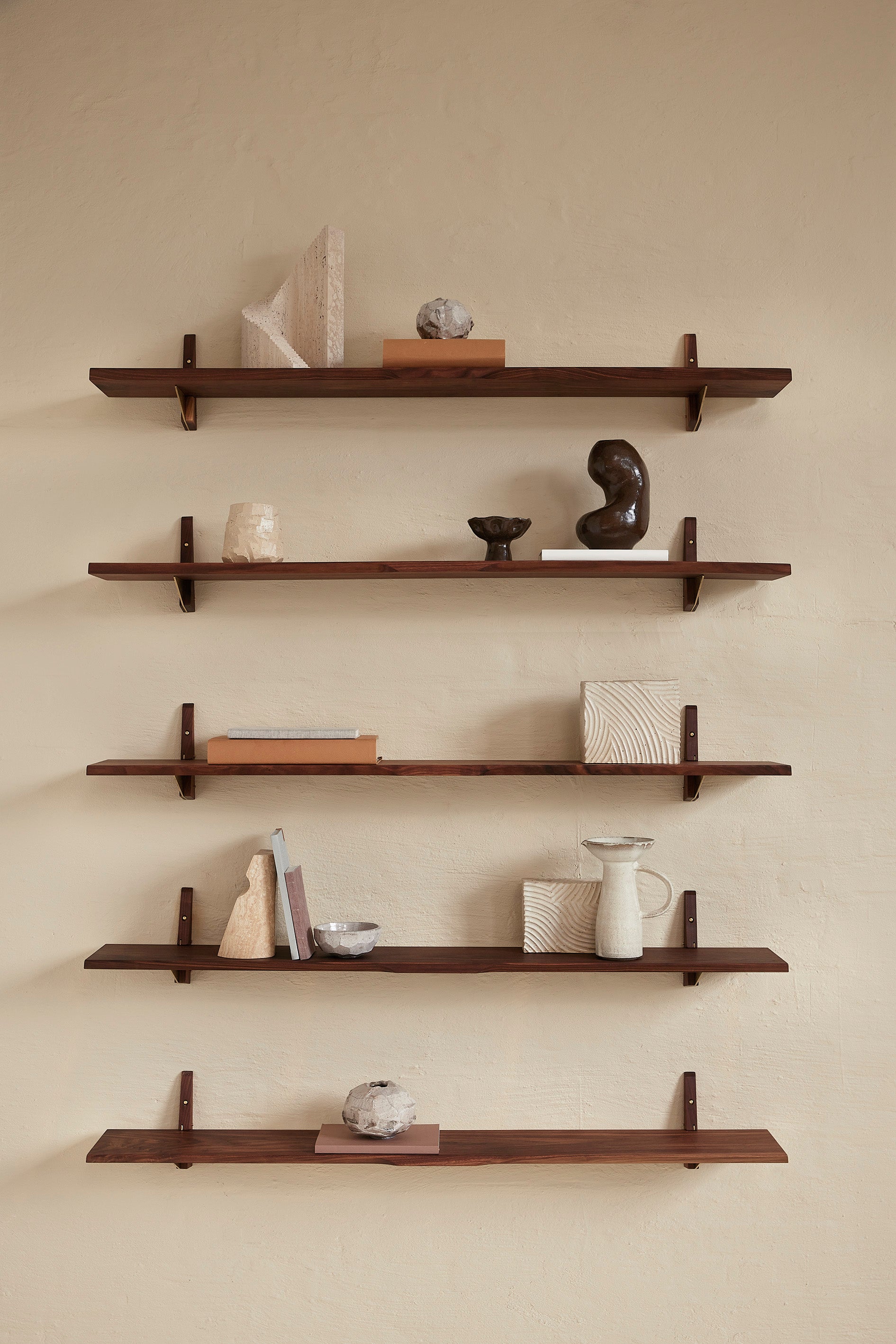
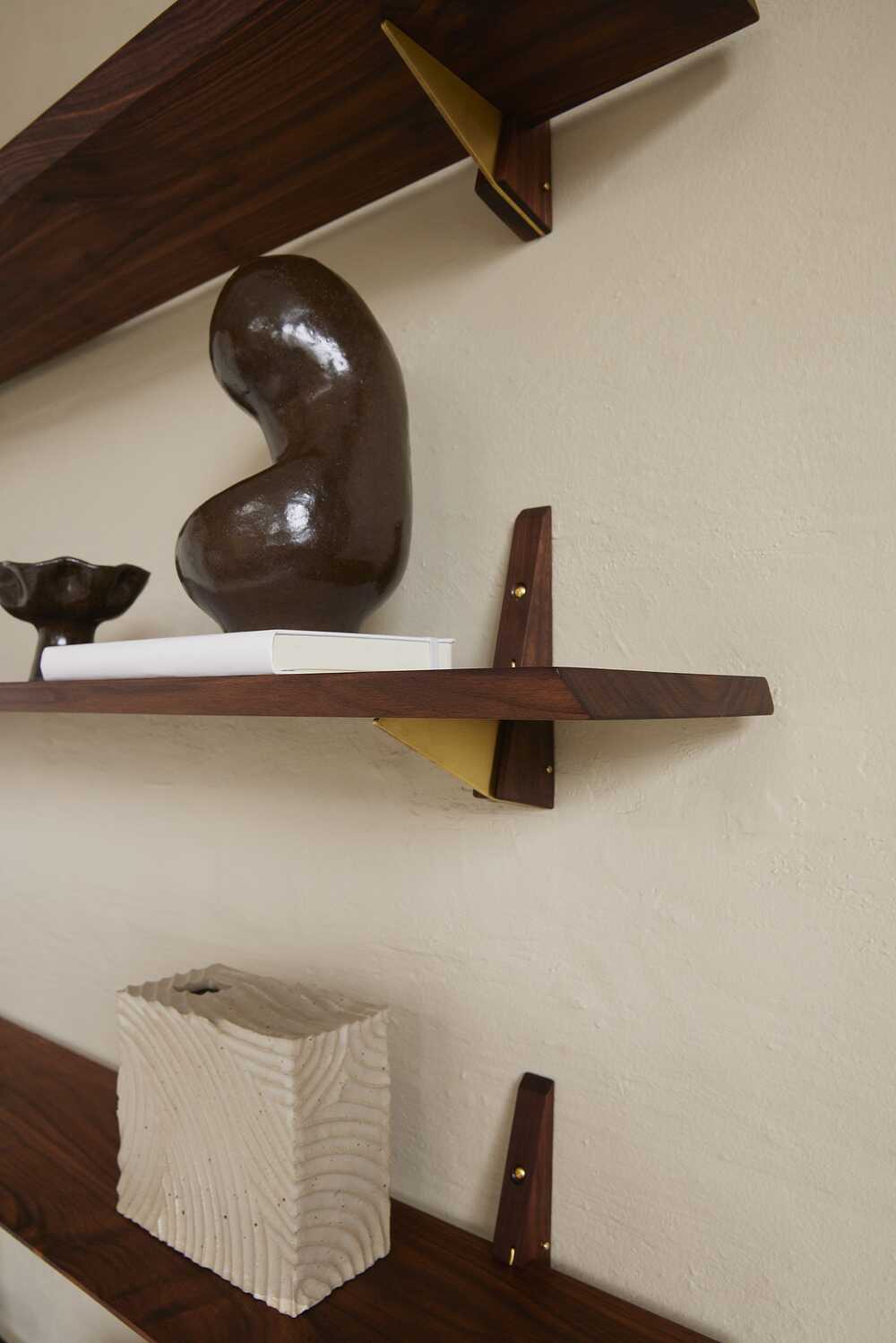
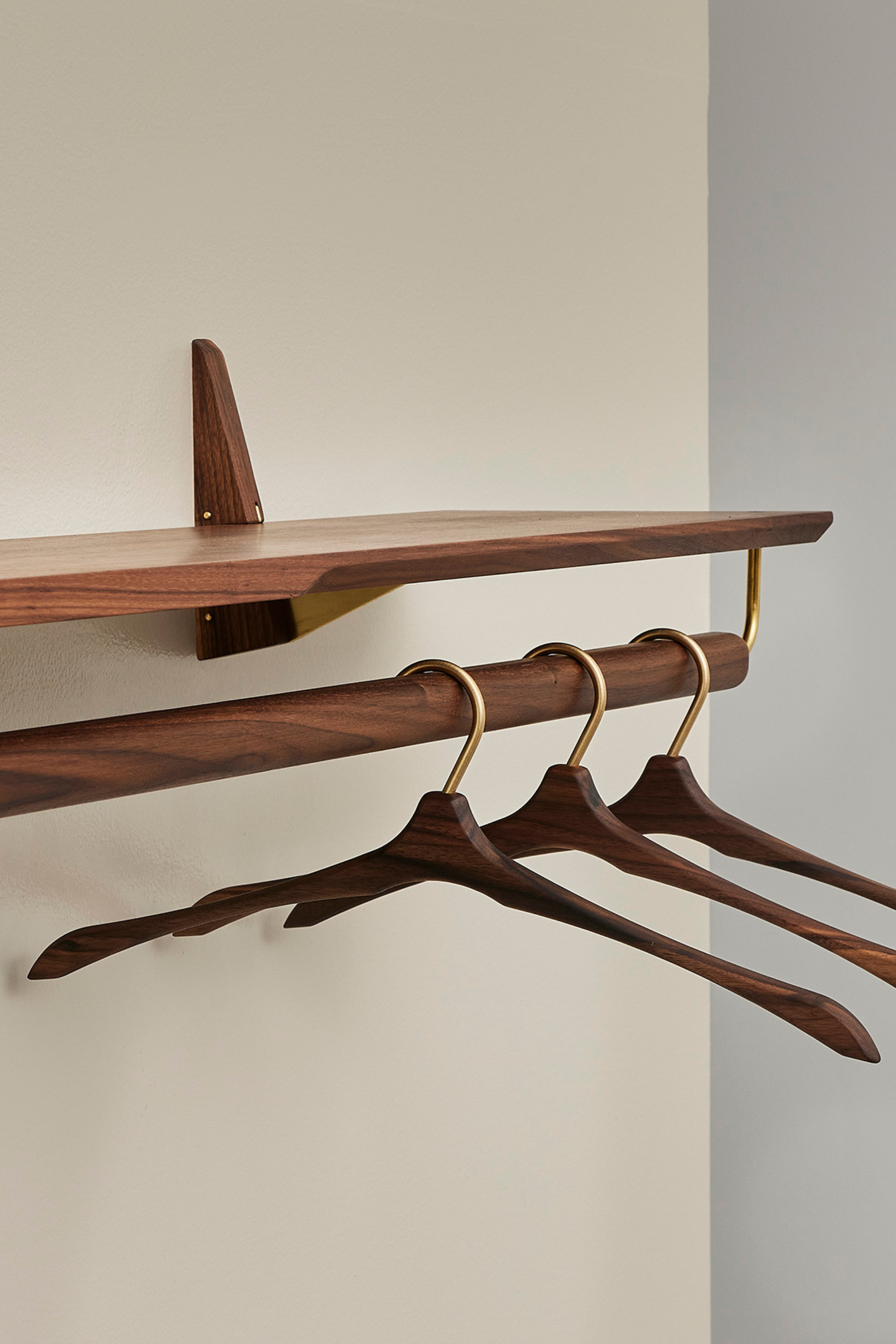
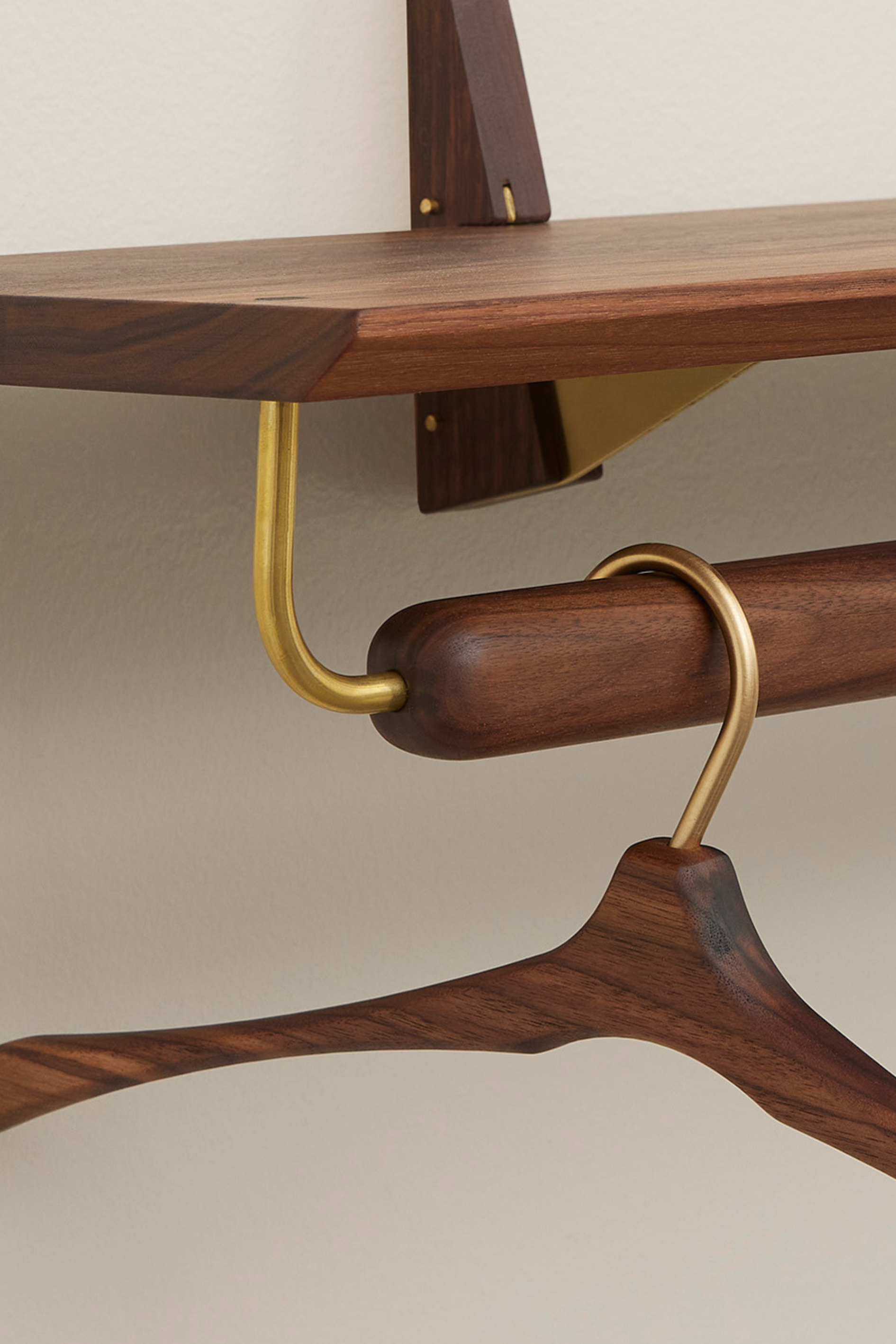
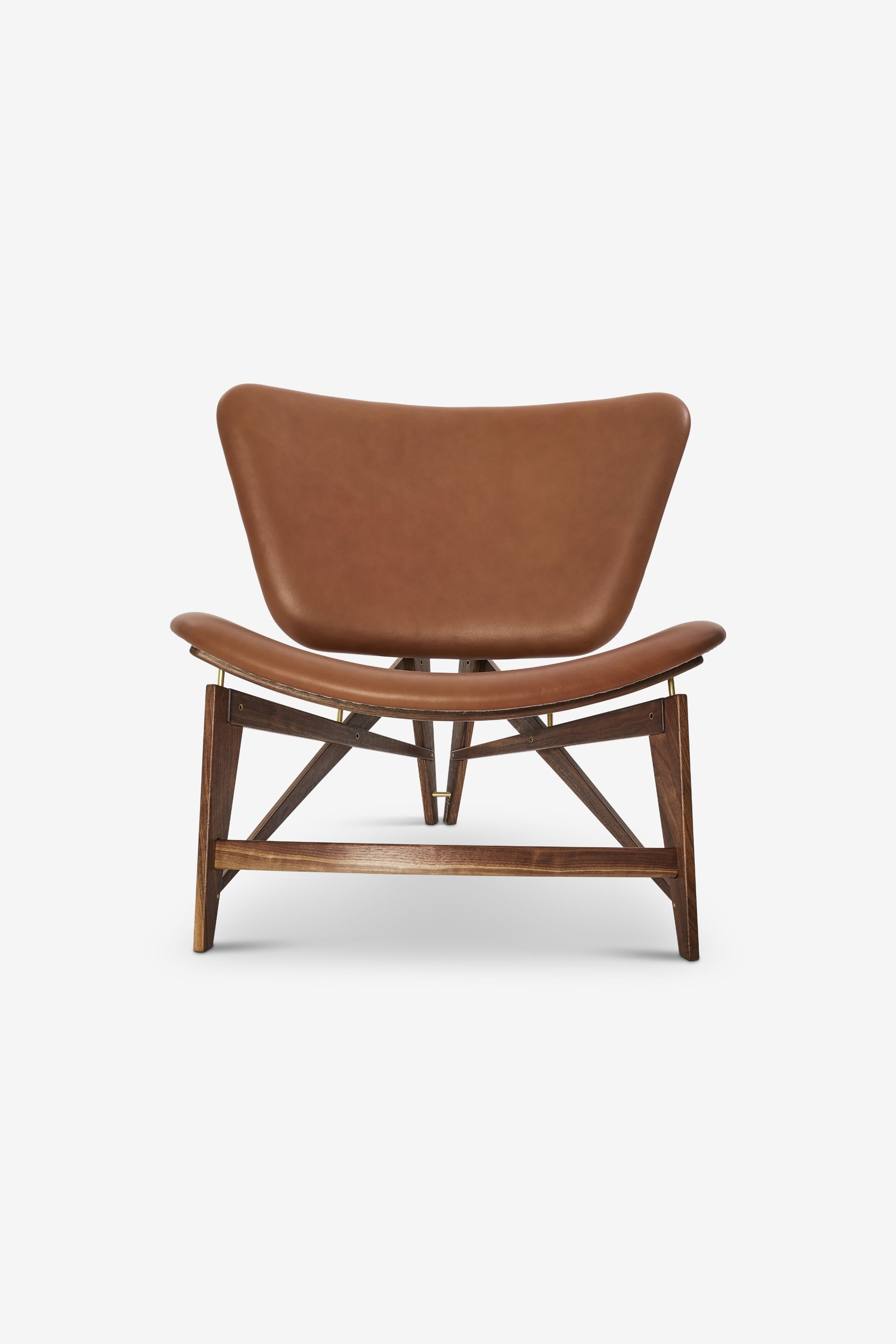
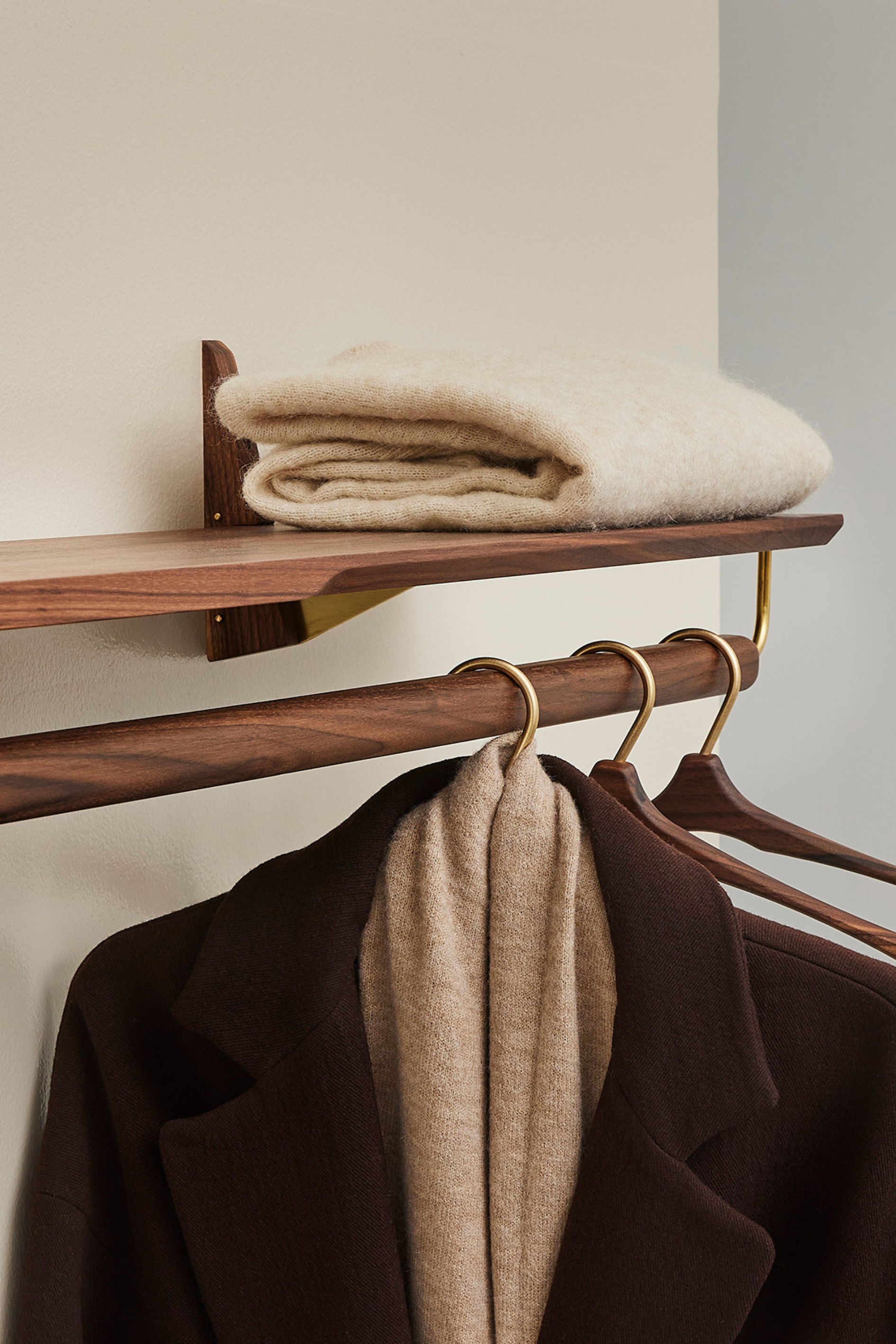
While pale woods like oak, ash, and beech are historically common in Nordic interiors, darker hardwoods have always offered strong graphic contrast. At Noyer, we build furniture using American walnut. Its deep tones and distinct grain give clear definition to items like dining tables, contrasting with lighter surroundings.
Light, Contrast, and Calm Interiors
In northern climates with short winter days, light serves as an architectural building block. Scandinavian homes traditionally feature pale walls, neutral textiles, and unadorned windows to reflect daylight as deeply into the living area as possible.
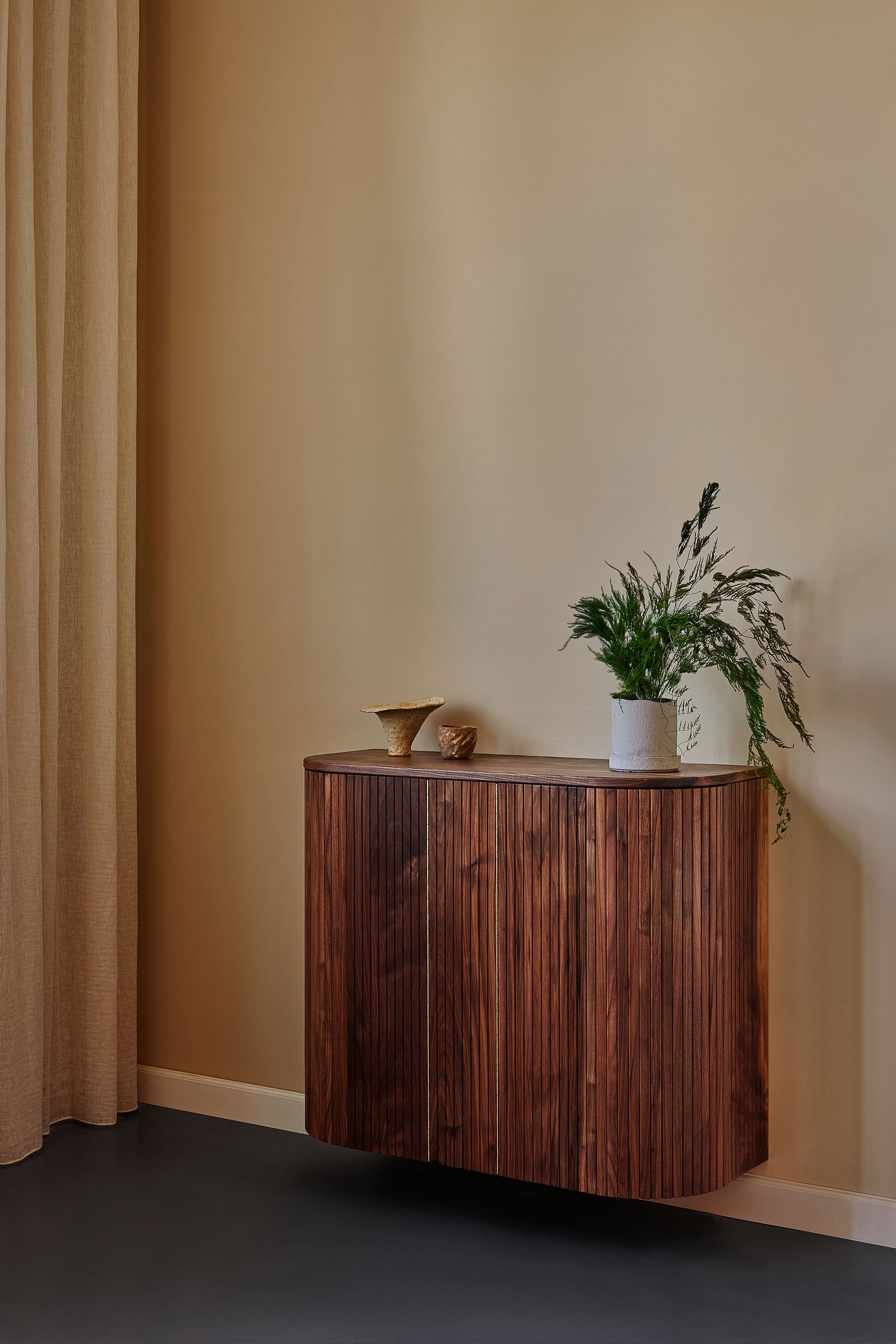
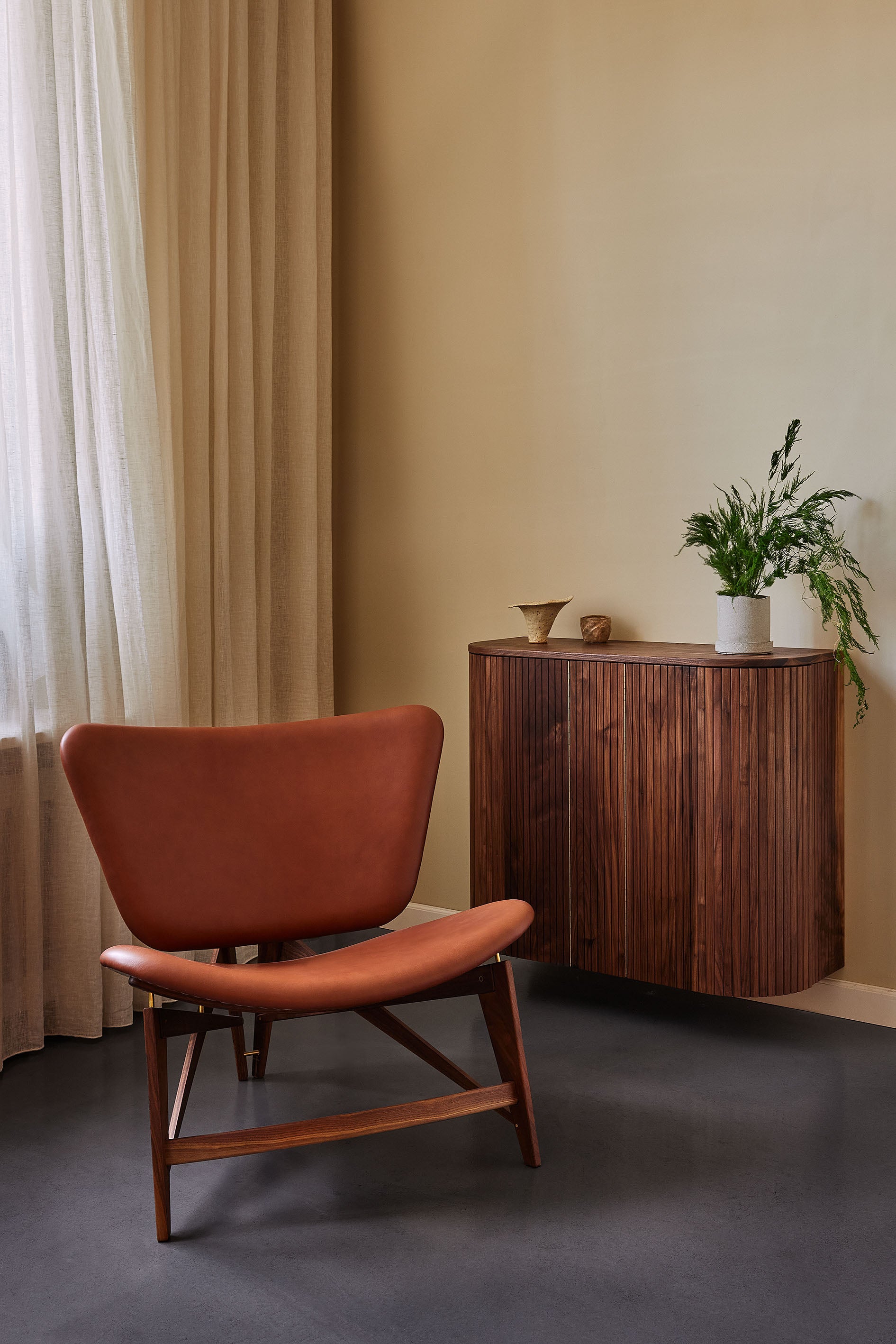
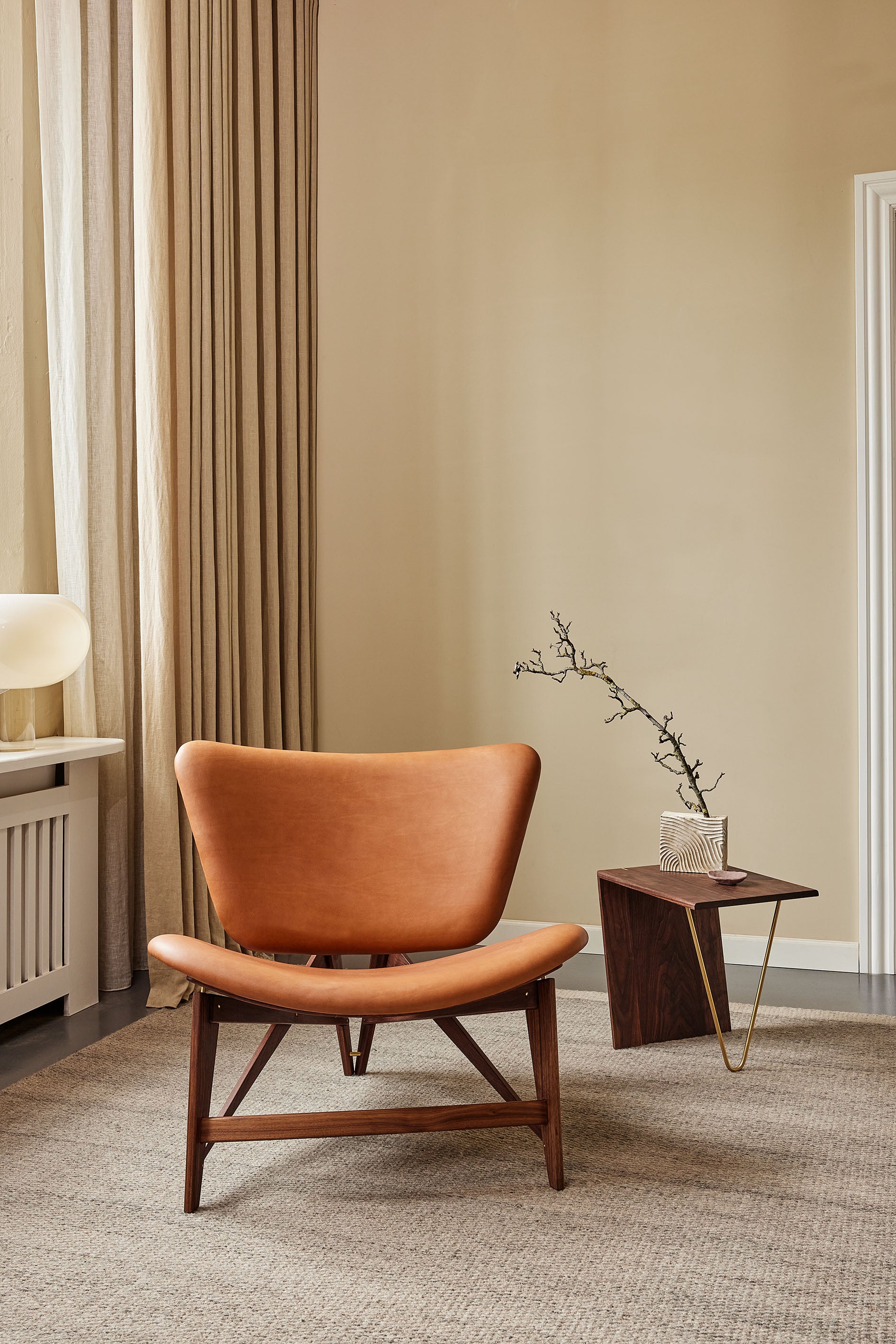
Against white, beige, or soft grey walls, dark solid wood creates distinct contrast. A walnut tabletop or frame provides an intentional visual anchor without overwhelming the neutral setting. This visual balance allows a piece to settle easily into contemporary apartments, historic townhomes, or minimalist renovations alike.
The Cabinetmaking Tradition at Noyer
The mid-century golden age of Danish design was defined by the close working relationship between architects and cabinetmakers. Precision handcrafting ensured that ambitious geometries remained structurally sound and pleasant to touch.
At Noyer, our workshop in Copenhagen continues that focus on tangible craft. We pair traditional wood selection with sharp, angled edges and balanced profiles. Whether constructing a lounge chair JN15 or wall-mounted magnetic knife racks, we design each piece with daily utility in mind. Read more about us and our workshop in Copenhagen to see how we work with solid walnut.