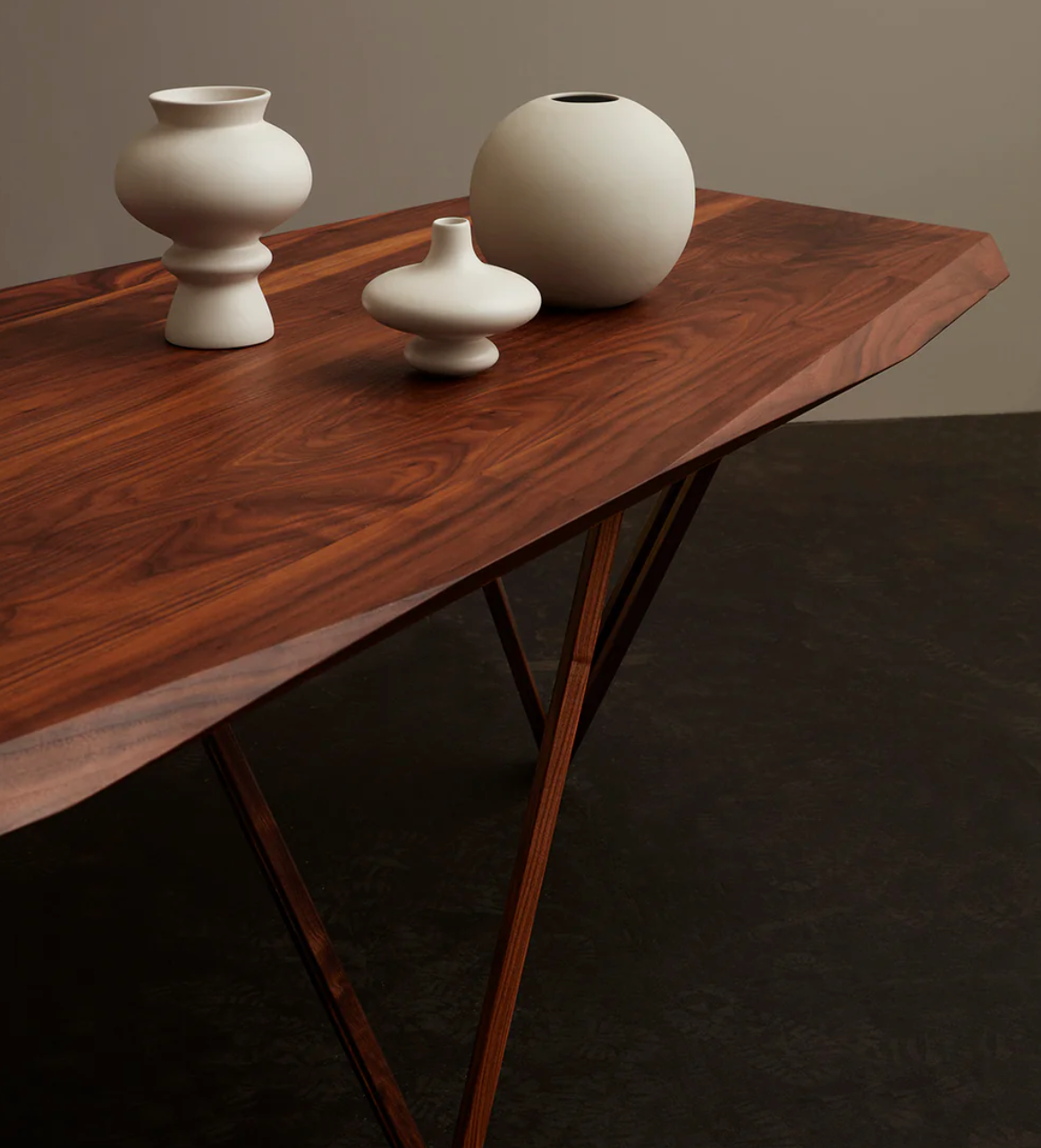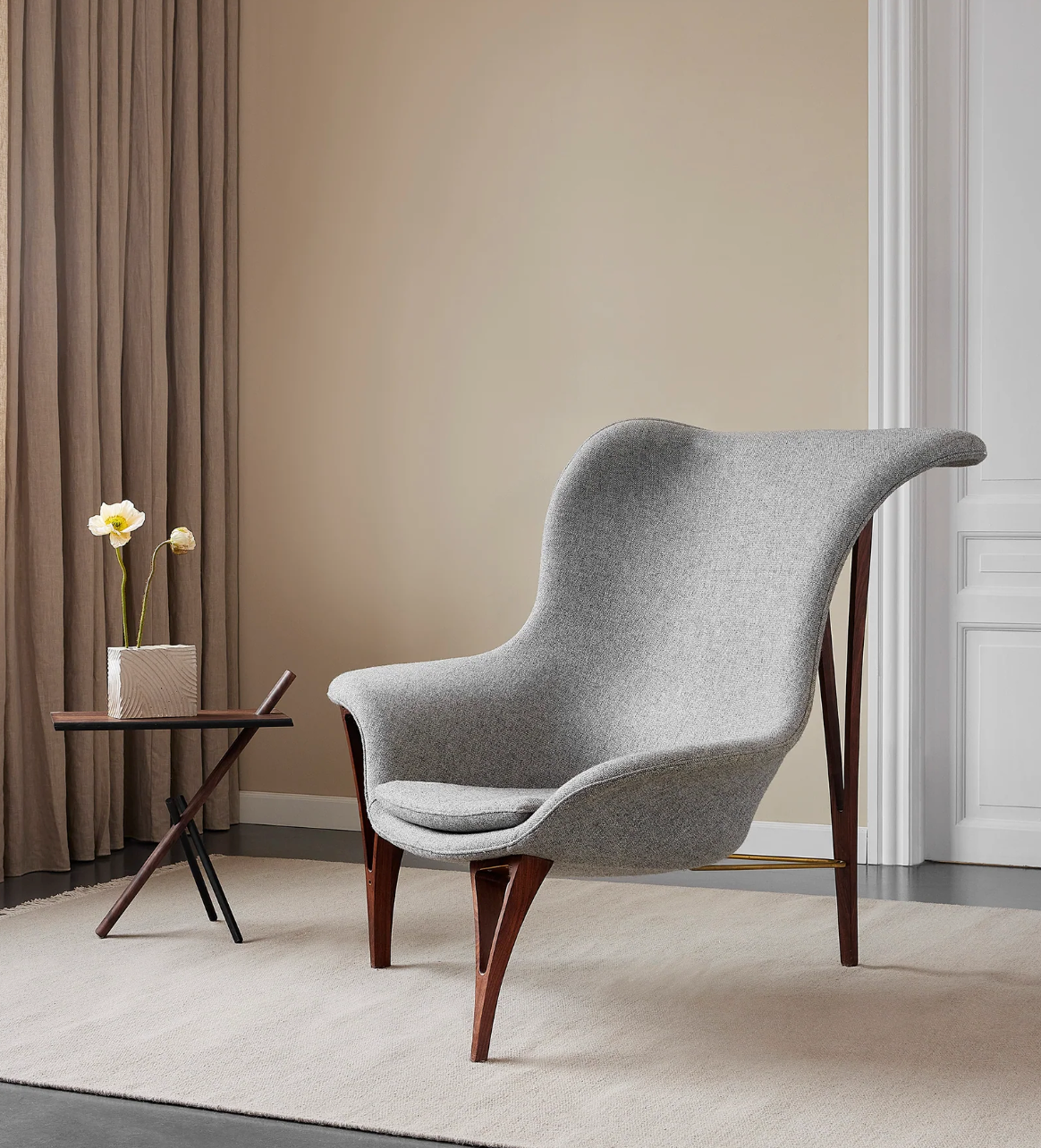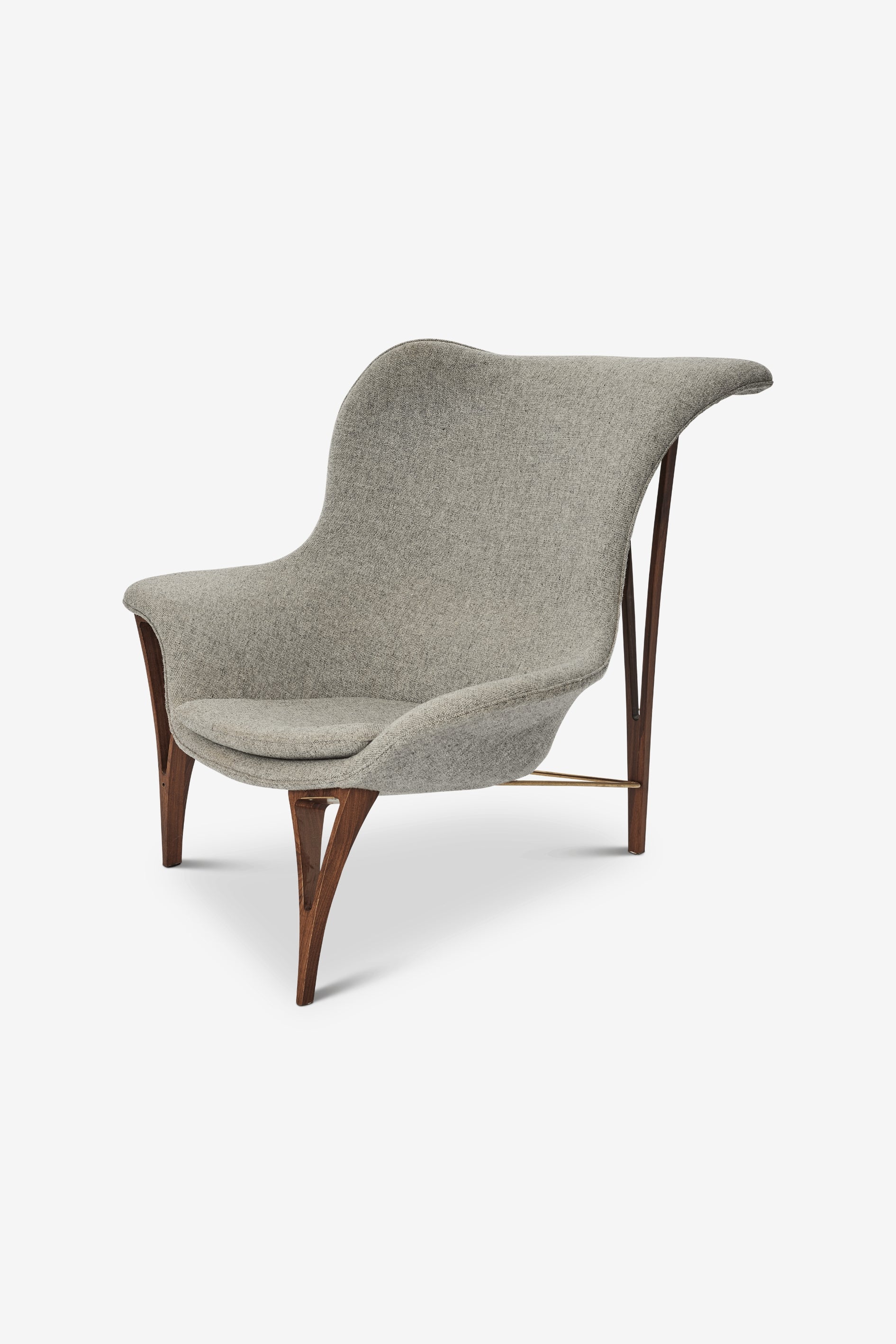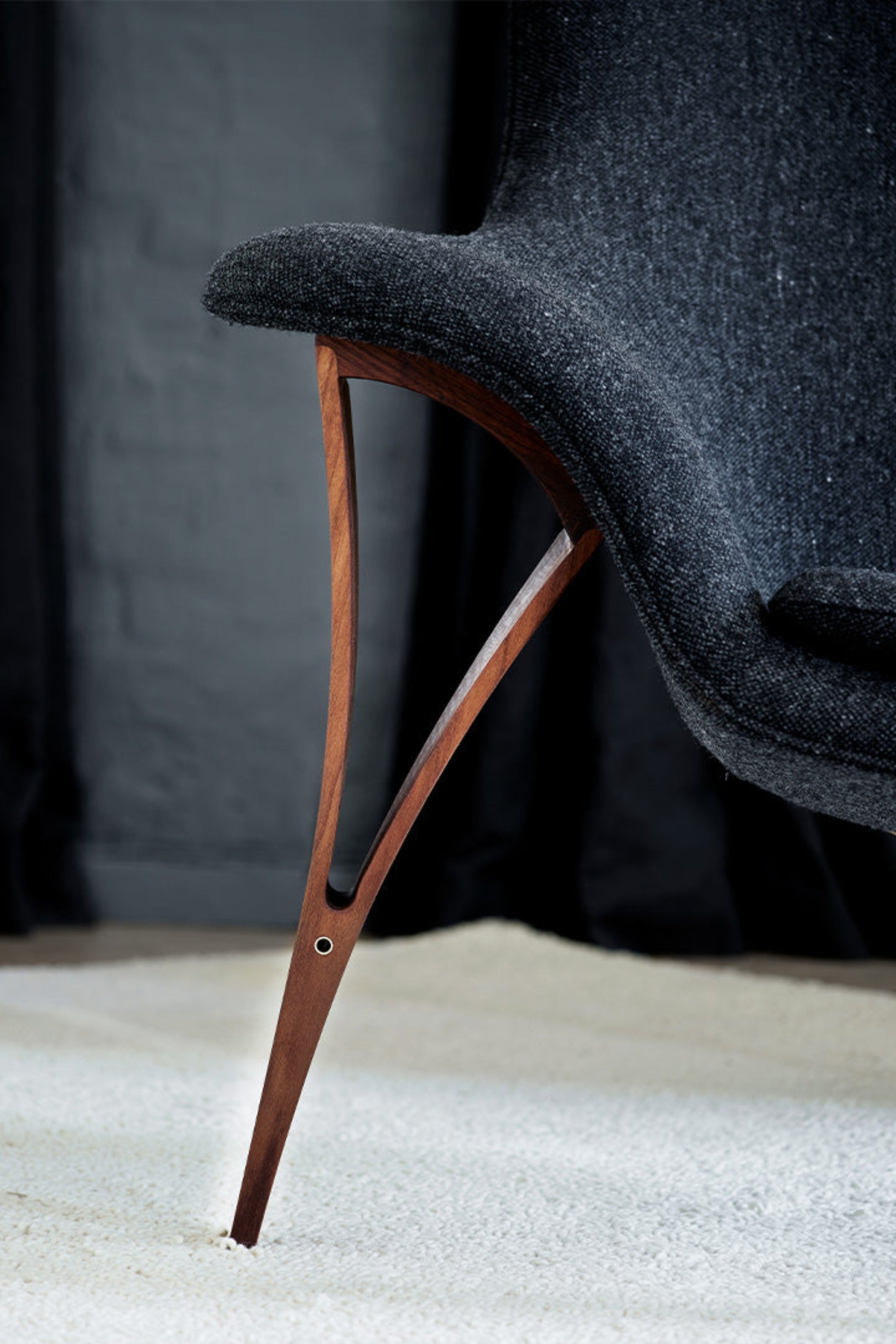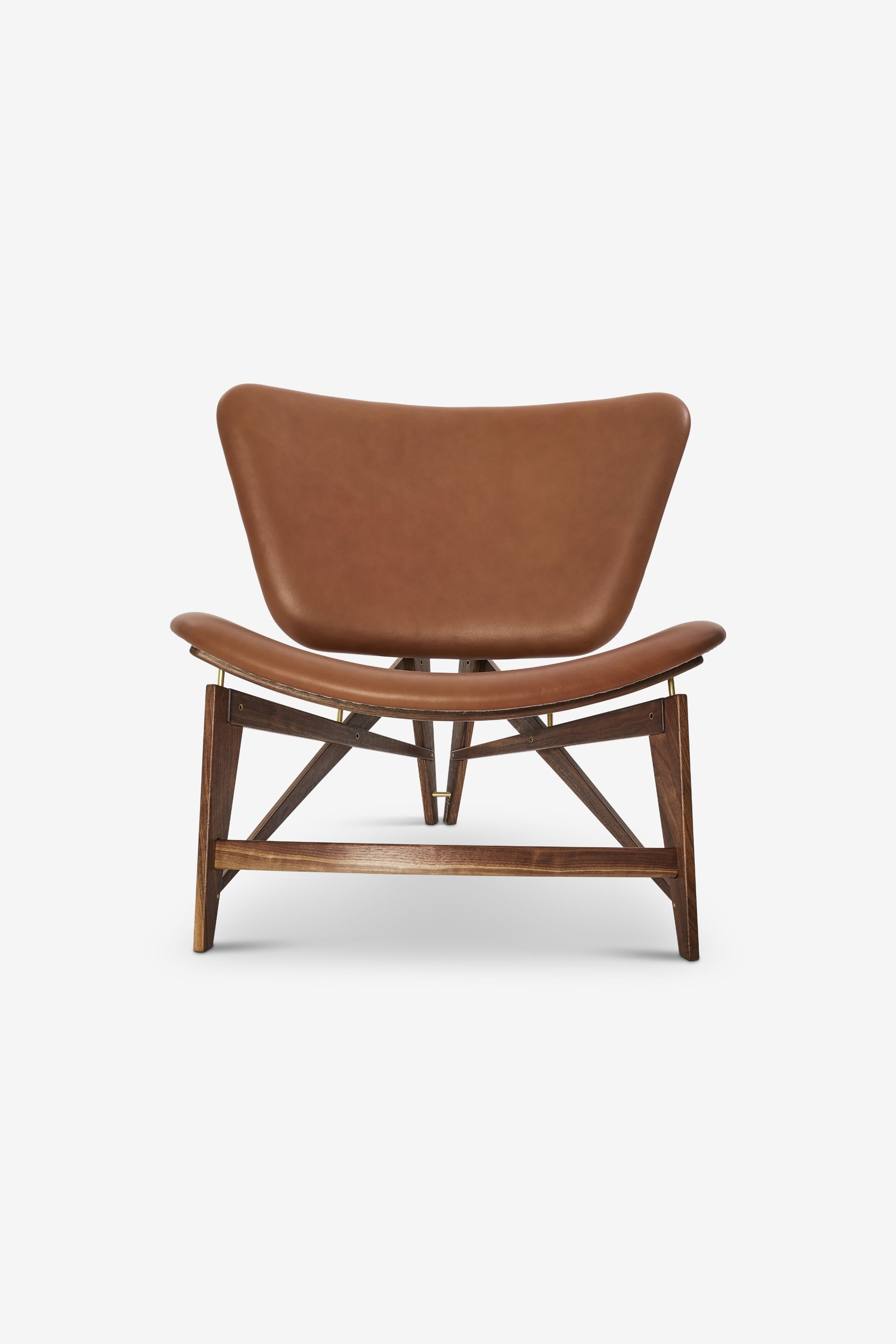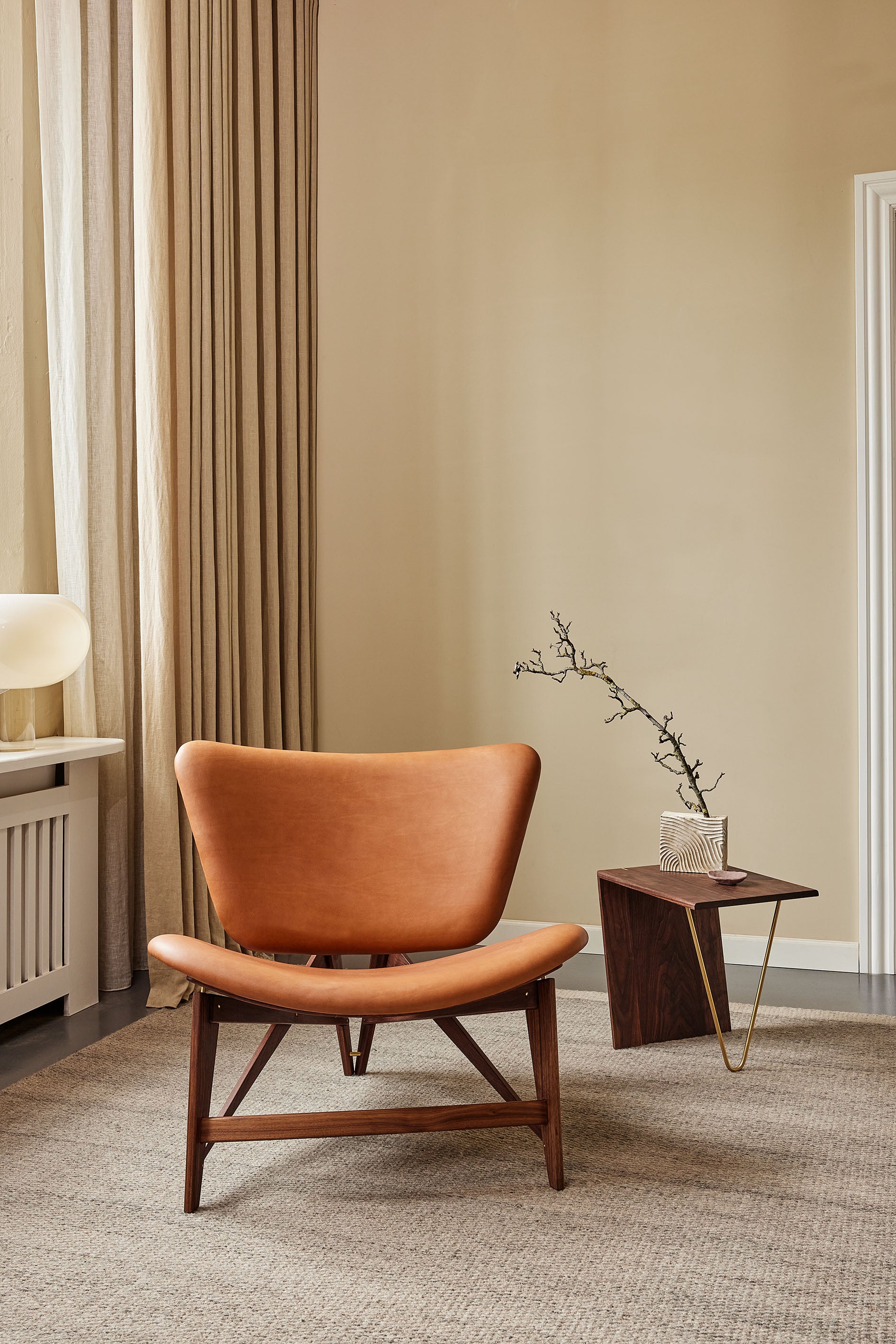
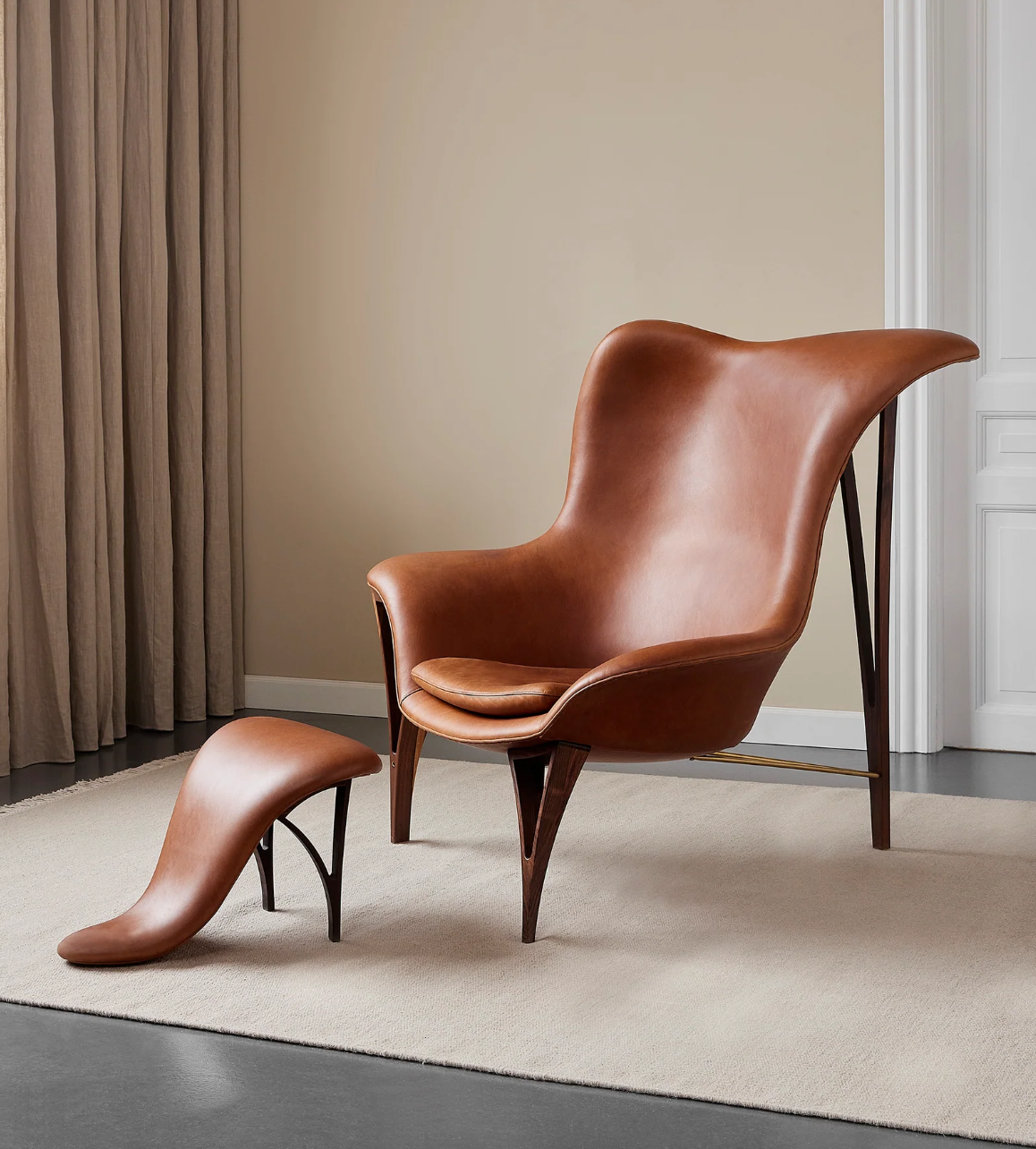
A solid wood armchair is more than just a piece of furniture; it is an investment in both comfort and aesthetics that, with the right treatment, can be passed down through generations. At Noyer, we work primarily with American walnut, a material renowned for its deep, warm glow and its distinctive grain patterns. To ensure your chair retains its unique character, it requires an understanding of the wood's living nature. Learning how to care for walnut furniture is not merely about cleaning, but about nourishing the material so it can withstand daily use and develop a beautiful patina over time.
Daily Care for Your Wooden Armchair
The most effective maintenance begins with simple, daily routines. Dust is the subtle enemy of fine woodwork, as microscopic particles can settle into the wood's pores over time, making the surface appear dull. We recommend regularly wiping your chair with a soft, dry, and lint-free cloth. Microfiber cloths are particularly well-suited for this purpose, as they effectively pick up dust without scratching the refined surface.
If spills occur, a quick reaction is paramount. Use a slightly damp cloth that has been thoroughly wrung out in clean water. As a rule, avoid using soap in your daily cleaning unless it is strictly necessary. If you must use a mild soap solution, always follow up with a dry cloth immediately. Wood and standing moisture are never a good combination, as water can cause the fibers to rise or leave permanent marks on the finish. Consistency in these small habits is the first step in mastering how to care for walnut furniture.
Oiling: How to Saturate and Protect Walnut Wood
When discussing the longevity of high-end design, oiling is the most critical process. The oil penetrates deep into the timber, saturating the fibers and creating a natural barrier against dirt and dehydration. A well-oiled chair possesses a depth of color and a tactile quality that lacquered furniture simply cannot match. This organic connection to the material is exactly what we strive for at Noyer.
How often your chair requires oiling depends on your indoor climate and the piece's placement in your home. As a general guideline, you should give your armchair a thorough oiling once or twice a year, or whenever the wood begins to look dry or "thirsty." Before applying any product, ensure the surface is completely clean and dry. Apply the oil in an even layer using a soft cloth or sponge, always following the direction of the grain. Allow the oil to penetrate for approximately 15 to 20 minutes, then wipe away all excess oil with a clean, dry cloth. It is vital that the surface does not feel sticky after the treatment. You can find more specific recommendations on our dedicated page for Care and Maintenance.
Choosing the Right Treatment
For dark woods like walnut, we always recommend a high-quality hardening oil that supports the wood's natural dark pigments. Avoid oils with white pigmentation, as these will create a cloudy veil over the beautiful grain and diminish the exclusive look that characterizes walnut wood. The goal is to enhance the wood's natural luster, not to mask it.
Environmental Factors: Light, Heat, and Humidity
While our furniture is designed to be used and lived with, wood remains a reactive material that responds to its environment. Direct sunlight is one of the most significant factors that can alter the appearance of your furniture. Walnut is photo-reactive, meaning UV rays can cause the wood to lighten over time, shifting from its deep chocolate tones to a warmer, more golden or grayish hue. Consider the placement of your armchair in relation to large windows, or use curtains during the hours when the sun is at its most intense.
Temperature fluctuations and humidity also play a vital role in how to care for walnut furniture. Never place your armchair directly against a heat source such as a radiator or a wood-burning stove. Intense heat can dry out the wood so rapidly that it may warp or, in the worst cases, develop cracks. Maintaining a stable humidity level in your home, ideally between 40% and 60%, is not only beneficial for your health but also for your handcrafted furniture, as it minimizes the wood's natural movement.
Maintaining Upholstery: Leather and Wool
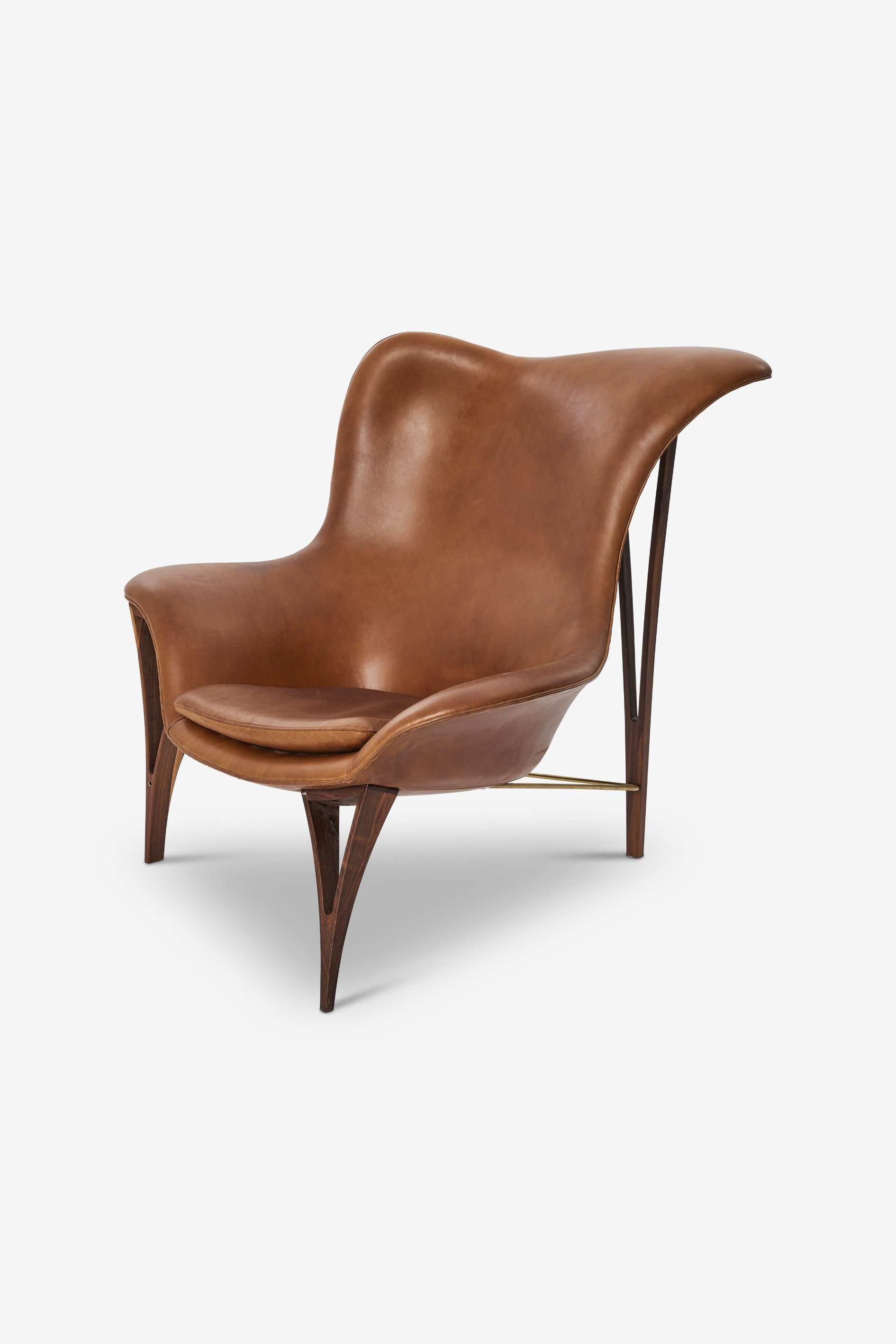
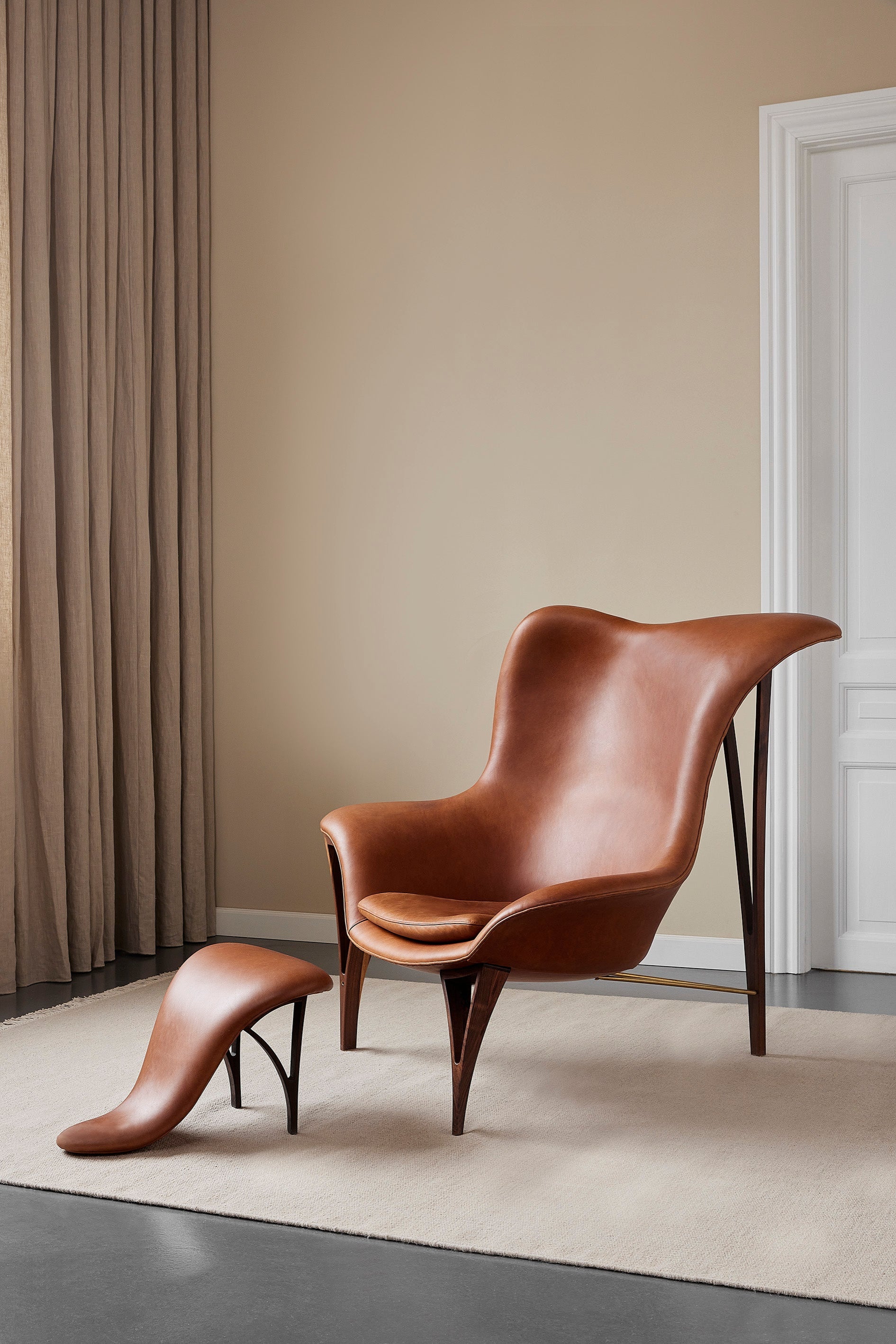
Many of our most iconic pieces, such as the Armchair JN07 Leather and the Lounge chair JN15 Leather, combine solid walnut with premium upholstery materials. Caring for these surfaces is just as important as maintaining the wooden frame itself.
- Leather: We frequently use aniline leather, which is the most natural and breathable type of leather available. It offers unparalleled comfort but requires attention. The leather should be treated with a high-quality leather conditioner or cream a few times a year to keep it supple and prevent drying. Remember that aniline leather patinates beautifully, and small marks are simply part of the chair's unique history.
- Wool: Our wool-upholstered chairs, such as the Armchair JN07 Wool, often feature durable textiles like Hallingdal. Wool is naturally soil-resistant due to its lanolin content, but it should be vacuumed regularly with a soft brush attachment to remove dust and stray fibers.
Addressing Minor Damage and Wear
One of the greatest advantages of solid wood furniture is its repairability. If an accident occurs, the piece can almost always be restored with patience and the right tools. For superficial scratches, a light sanding with fine-grit sandpaper (240 or 400 grit) in the direction of the grain can often remove the mark. After sanding, the wood must be re-saturated with oil to restore its protection and color.
Water rings typically occur if a damp object is left on the wood for an extended period. In such cases, you can attempt to remove the moisture by gently sanding the area and re-treating it. If you are ever in doubt about how to handle a repair, you are always welcome to visit our Showroom for professional guidance. We would much rather you ask for advice than attempt a treatment that could permanently damage the wood.
By following these principles on how to care for walnut furniture, you ensure that your piece from Noyer’s collection of chairs remains not only functional but becomes more beautiful with every passing year. This is the essence of durable Danish design: materials of the highest quality, cared for with respect for the craft.