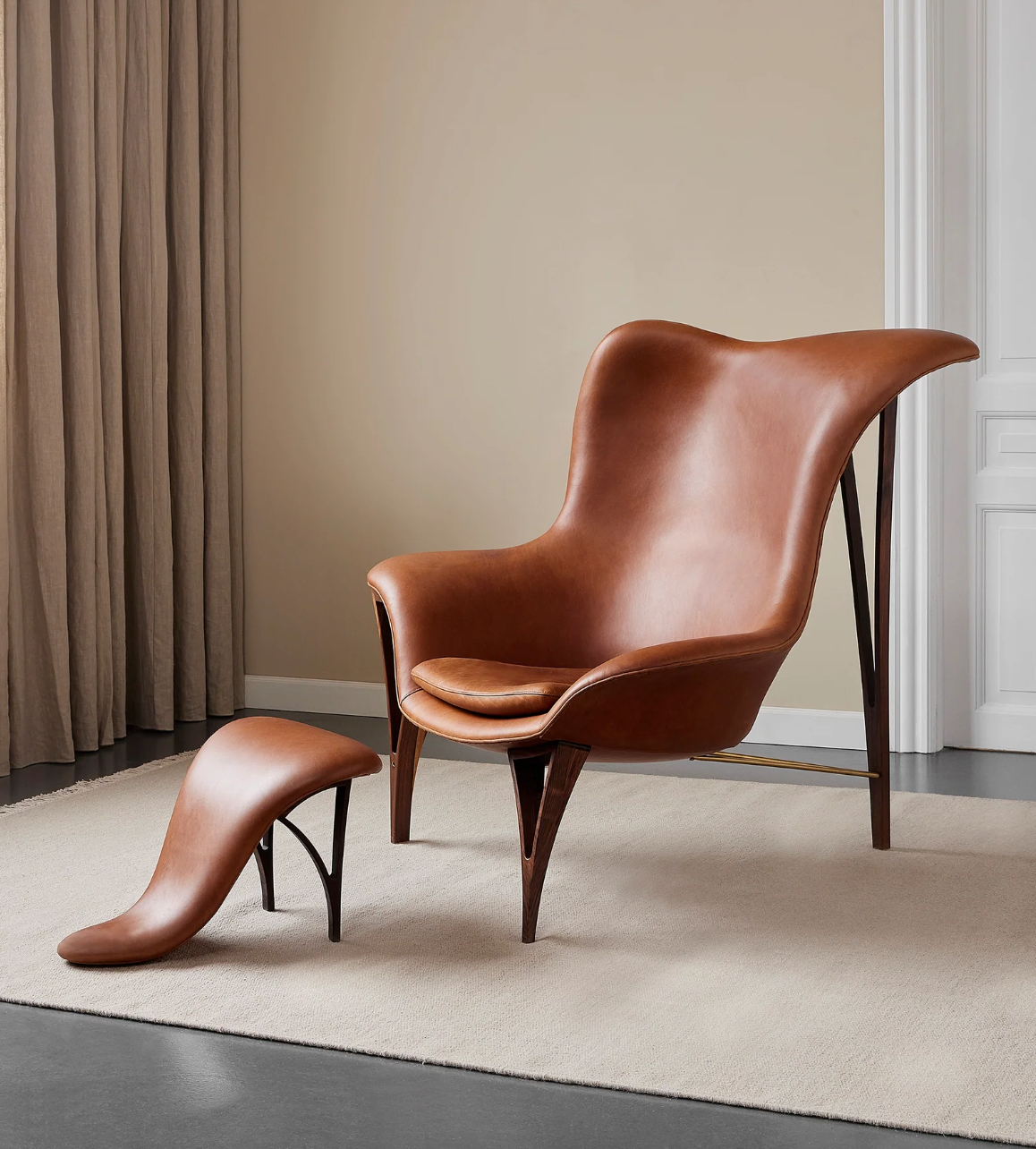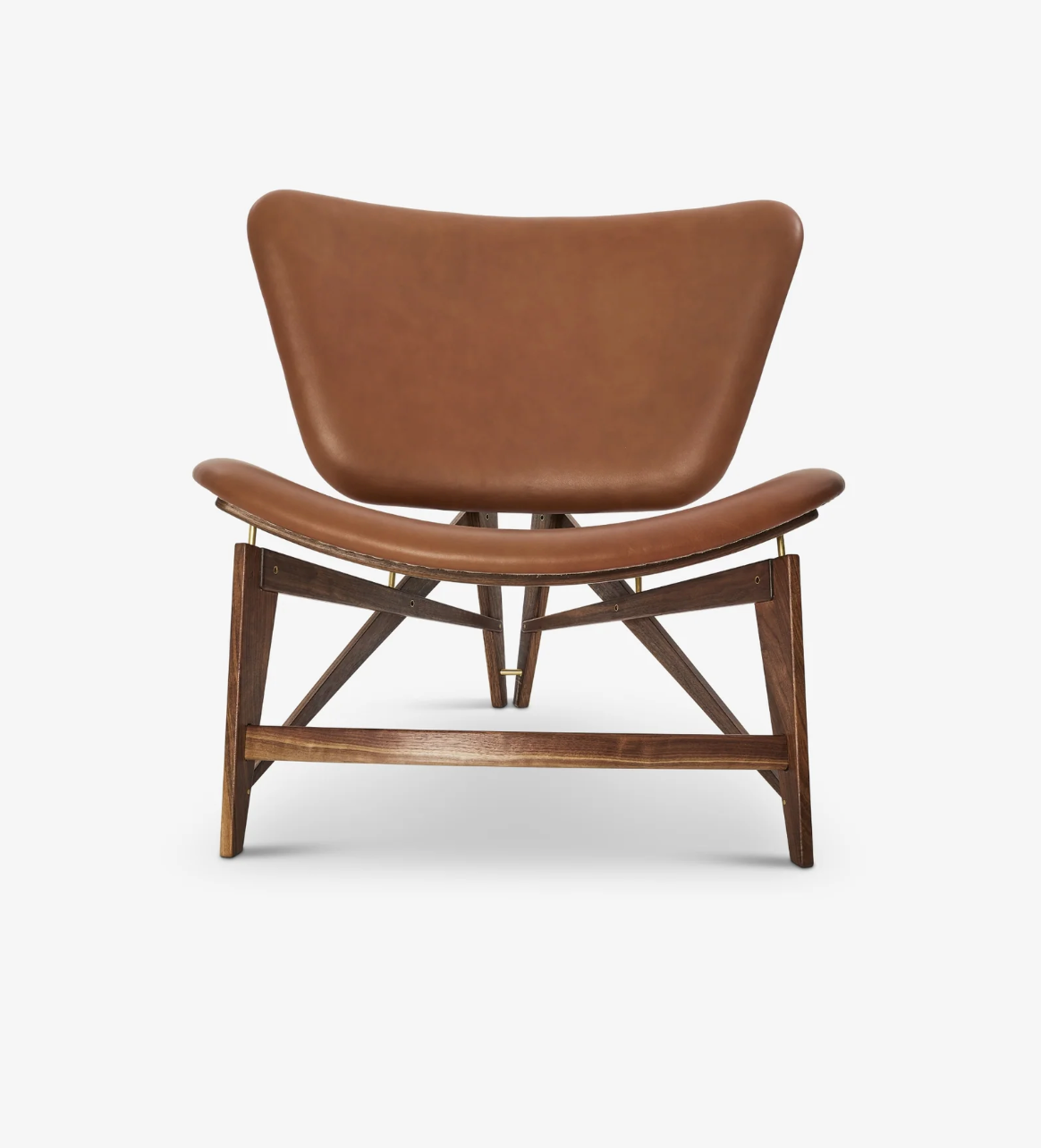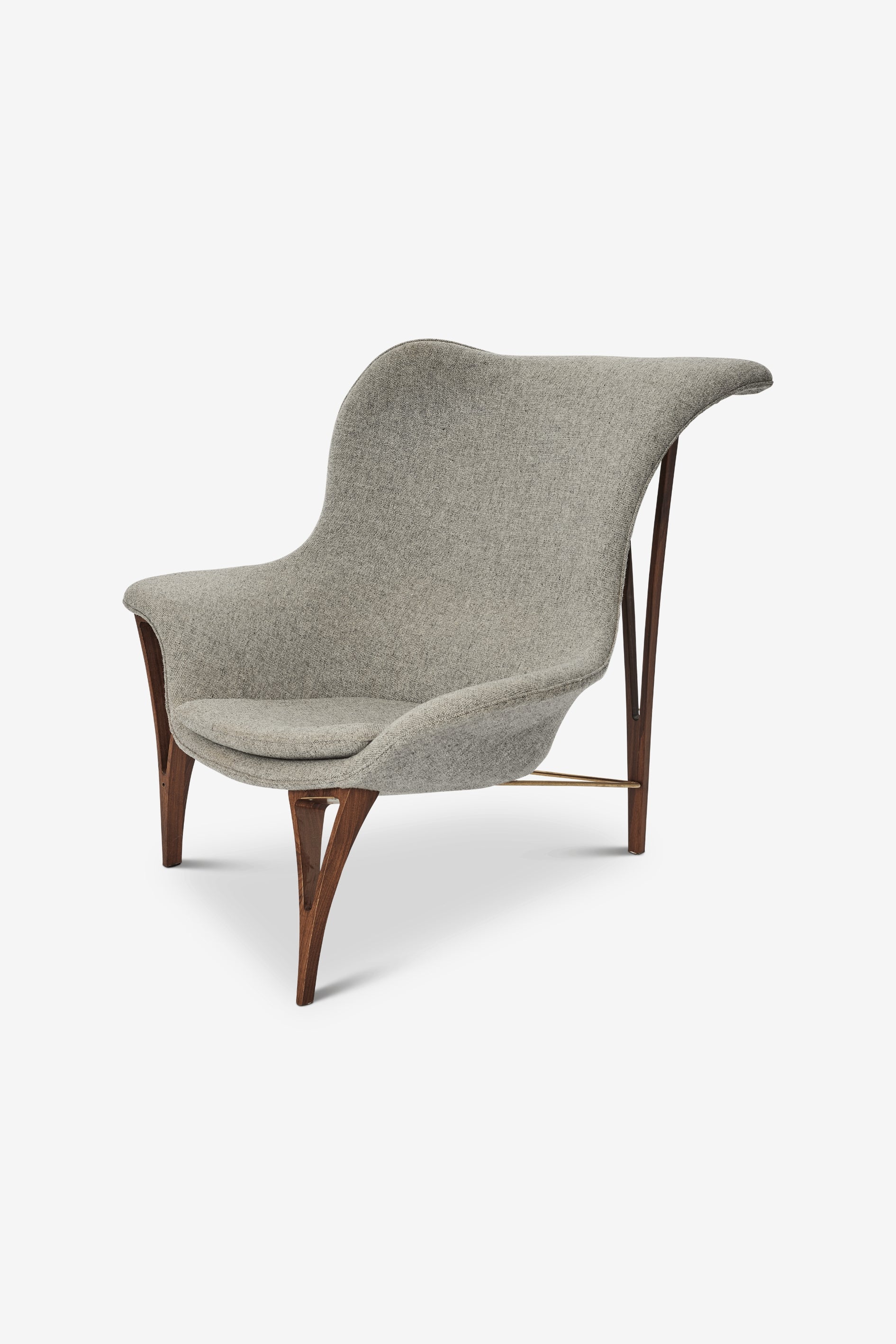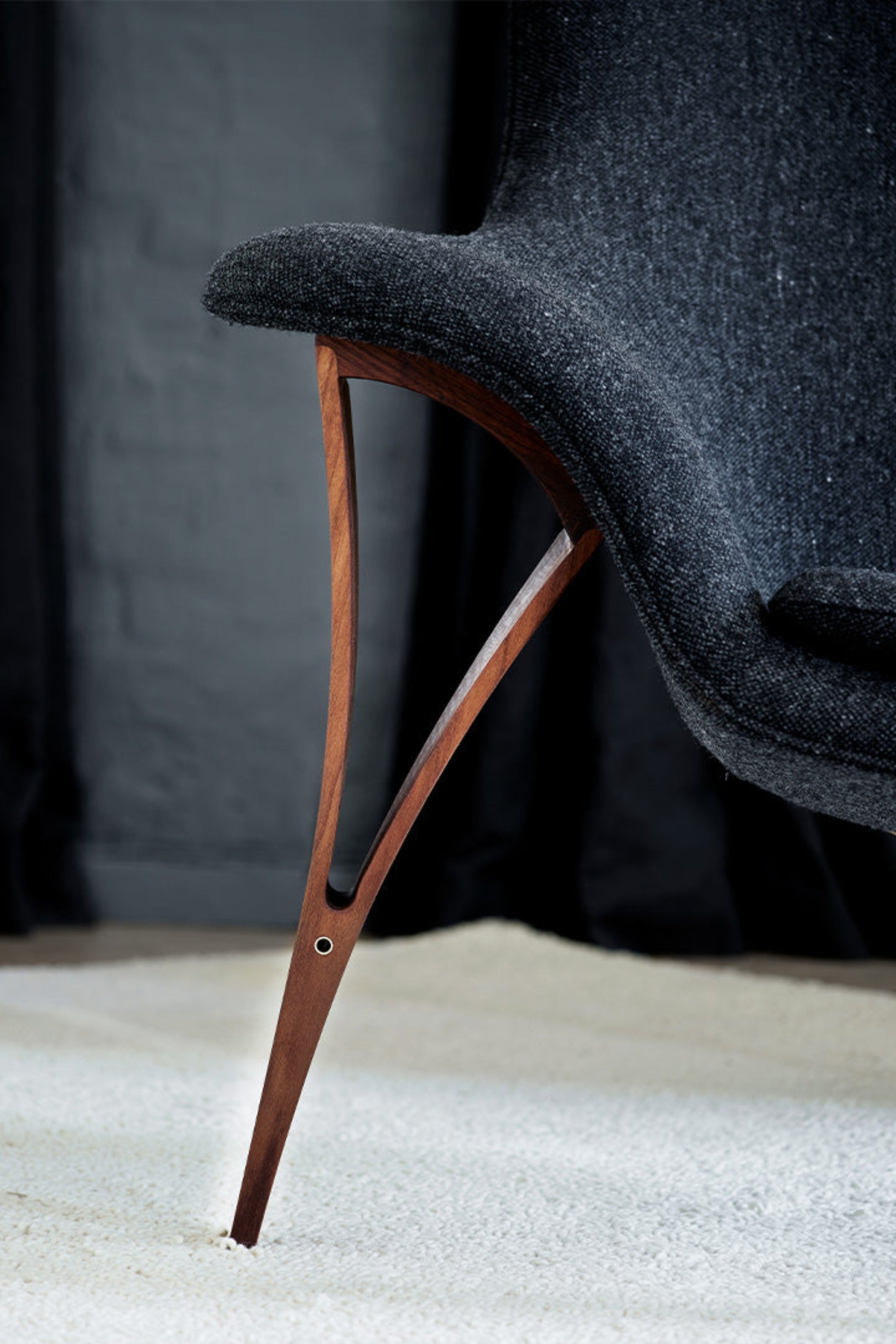
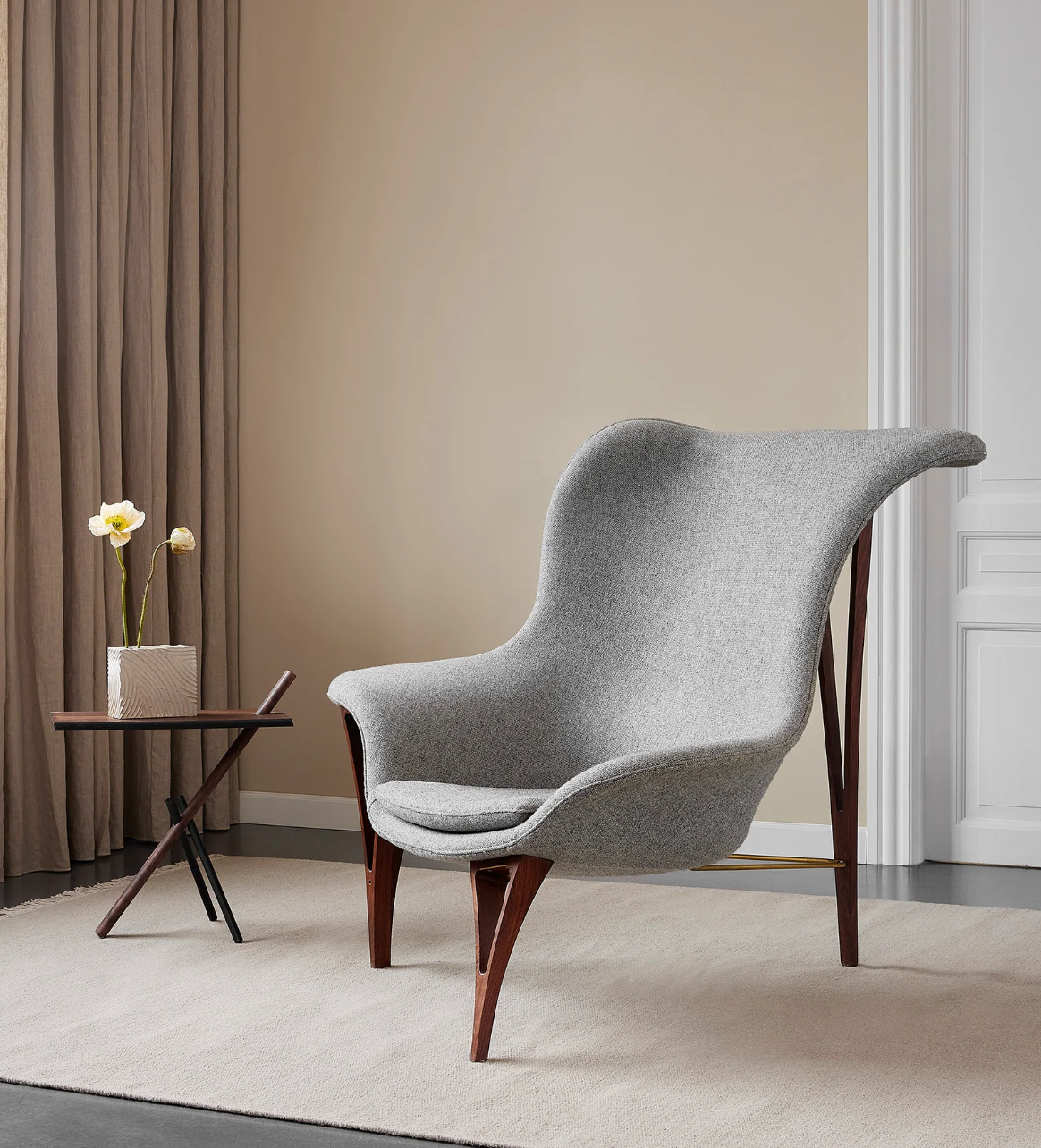
When choosing a piece from Noyer, you are not merely selecting a functional object, but a work of craftsmanship designed to endure across generations. While our foundation is always the rich, dark character of walnut, the upholstery plays a decisive role in both comfort and the overall aesthetic expression. Caring for upholstered furniture is about more than simple cleaning; it is about preserving the textile's tactility, depth of color, and structure so the piece patinas with grace rather than succumbing to wear.
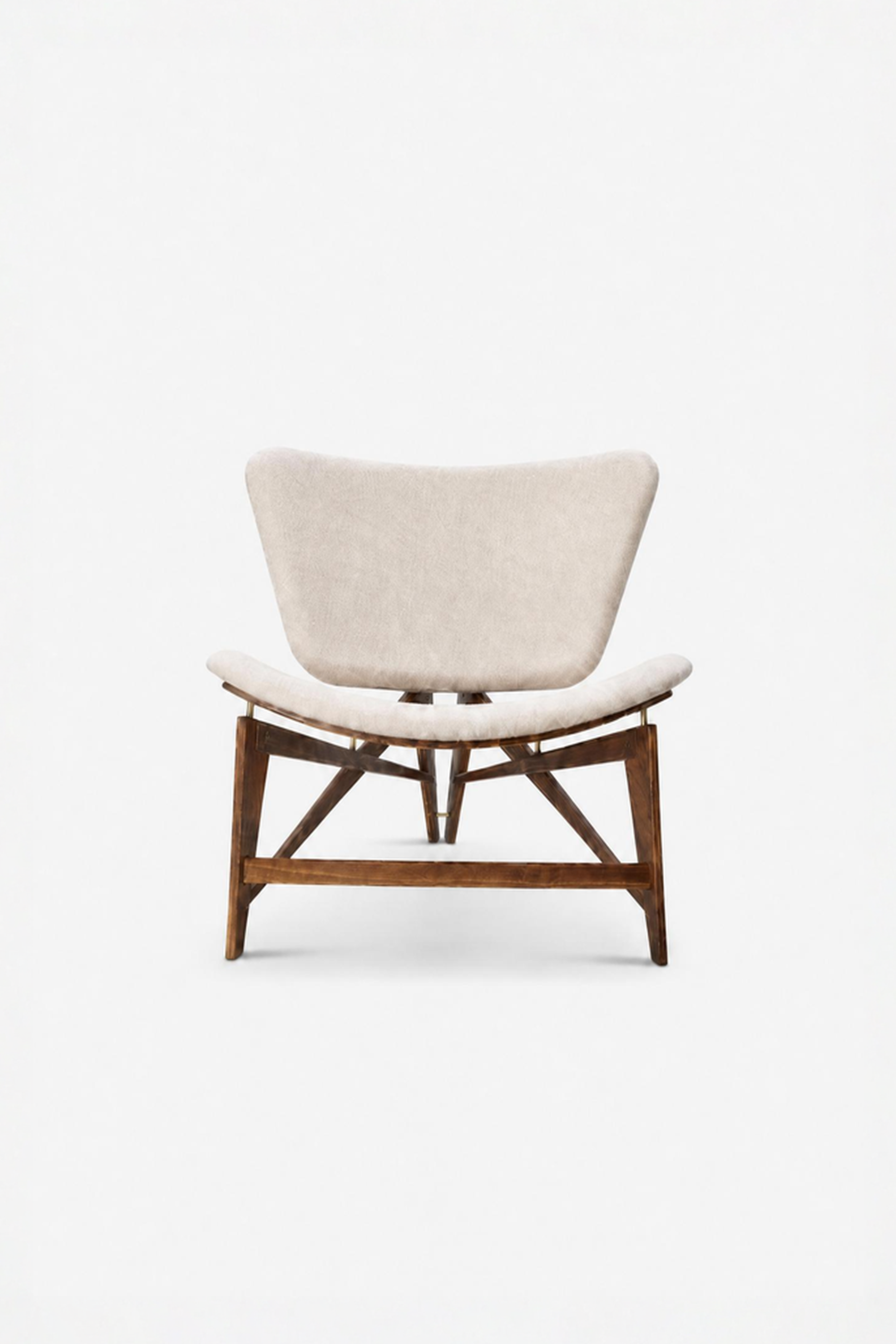
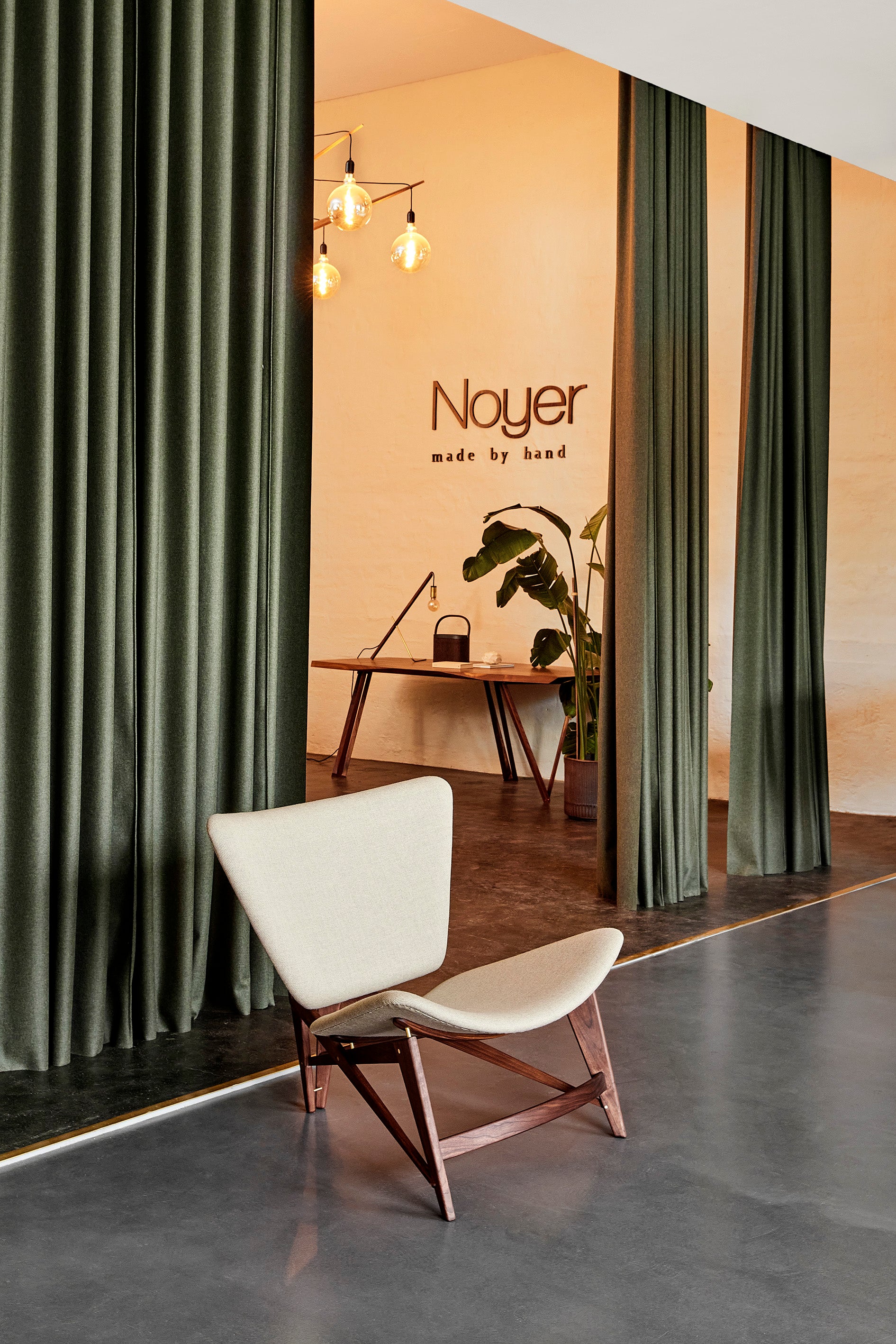
Whether it is the iconic Armchair JN07 Wool or the upholstered seats of our dining chairs, textiles require a different form of attention than solid wood. This guide leads you through the necessary steps to ensure that your upholstered investments remain as inviting as the day they left our workshop in Valby.
The Art of Prevention: Daily Caring for Upholstered Furniture
The most important tool in your care routine is, paradoxically, the simplest: the vacuum cleaner. Dust and microscopic debris act as an abrasive on textile fibers. When you sit in a chair, these particles are pressed deeper into the weave, which over time wears down the fibers and makes the colors appear dull and tired.
Regular Vacuuming
We recommend vacuuming your upholstered furniture at least once a week. Always use the soft furniture brush attachment and set the vacuum to a moderate suction strength. By moving the nozzle gently over the surface, you remove particles before they have a chance to settle. Pay particular attention to crevices and seams where dust and crumbs often accumulate. For furniture with fixed upholstery, this is crucial for maintaining the tight, clean expression that characterizes Noyer design.
Protection Against Sunlight
While we cherish natural light in Scandinavian interior design, the sun's UV rays are the greatest enemy of textiles. Caring for upholstered furniture also involves strategic placement. Direct sunlight can bleach even the most colorfast materials over time. If your Lounge chair JN15 Wool is placed near large windows, it may be beneficial to use curtains or UV-filtering film during the hours when the light is most intense. This also protects the underlying walnut from changing character too rapidly.
Material Expertise: The Natural Resilience of Wool
At Noyer, we often work with Hallingdal wool, a textile that has become an icon in Danish design history. Wool is naturally equipped with a high content of lanolin, which makes the fibers inherently soil-resistant. This makes caring for upholstered furniture in wool significantly easier than many synthetic alternatives.
Why Choose Wool?
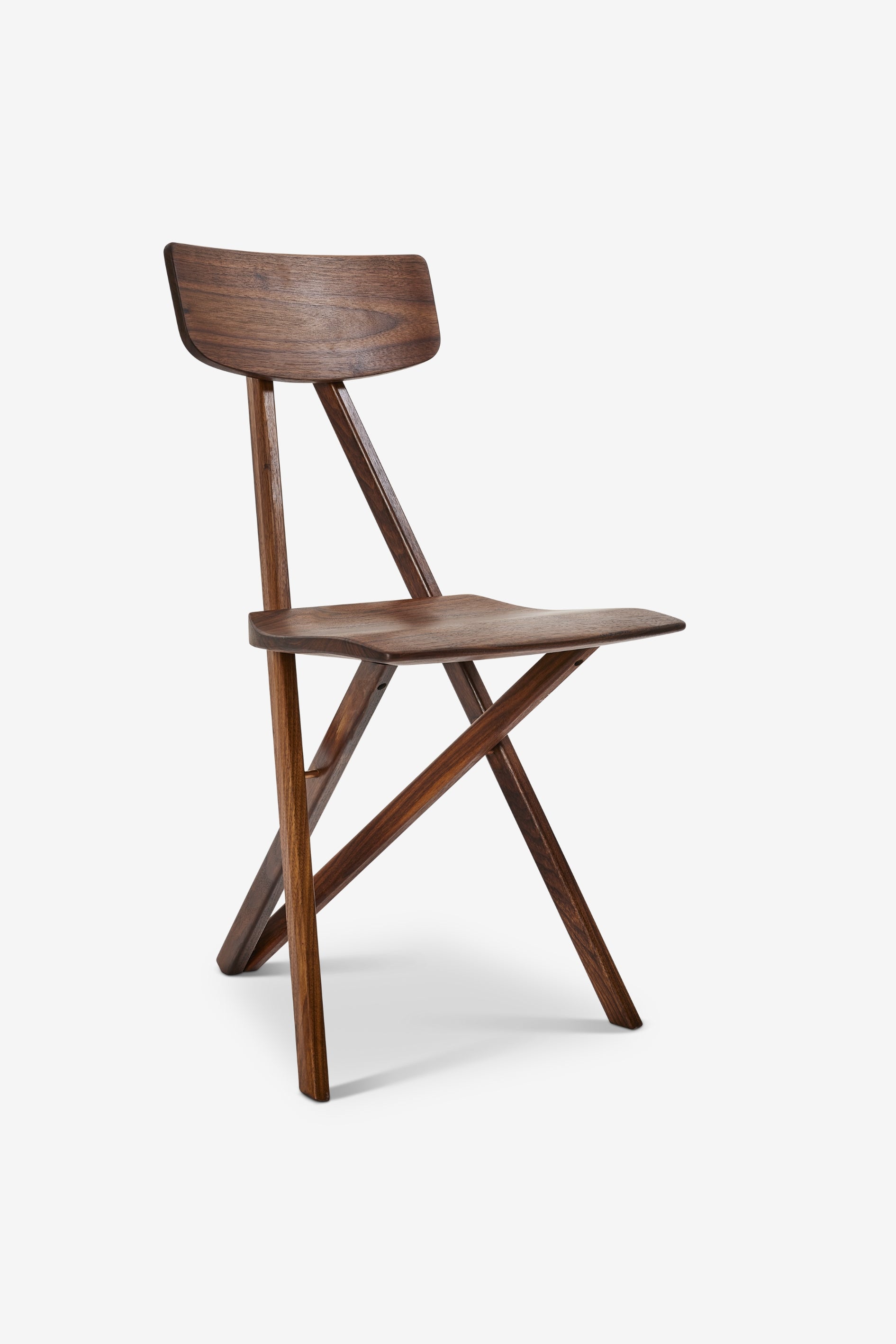
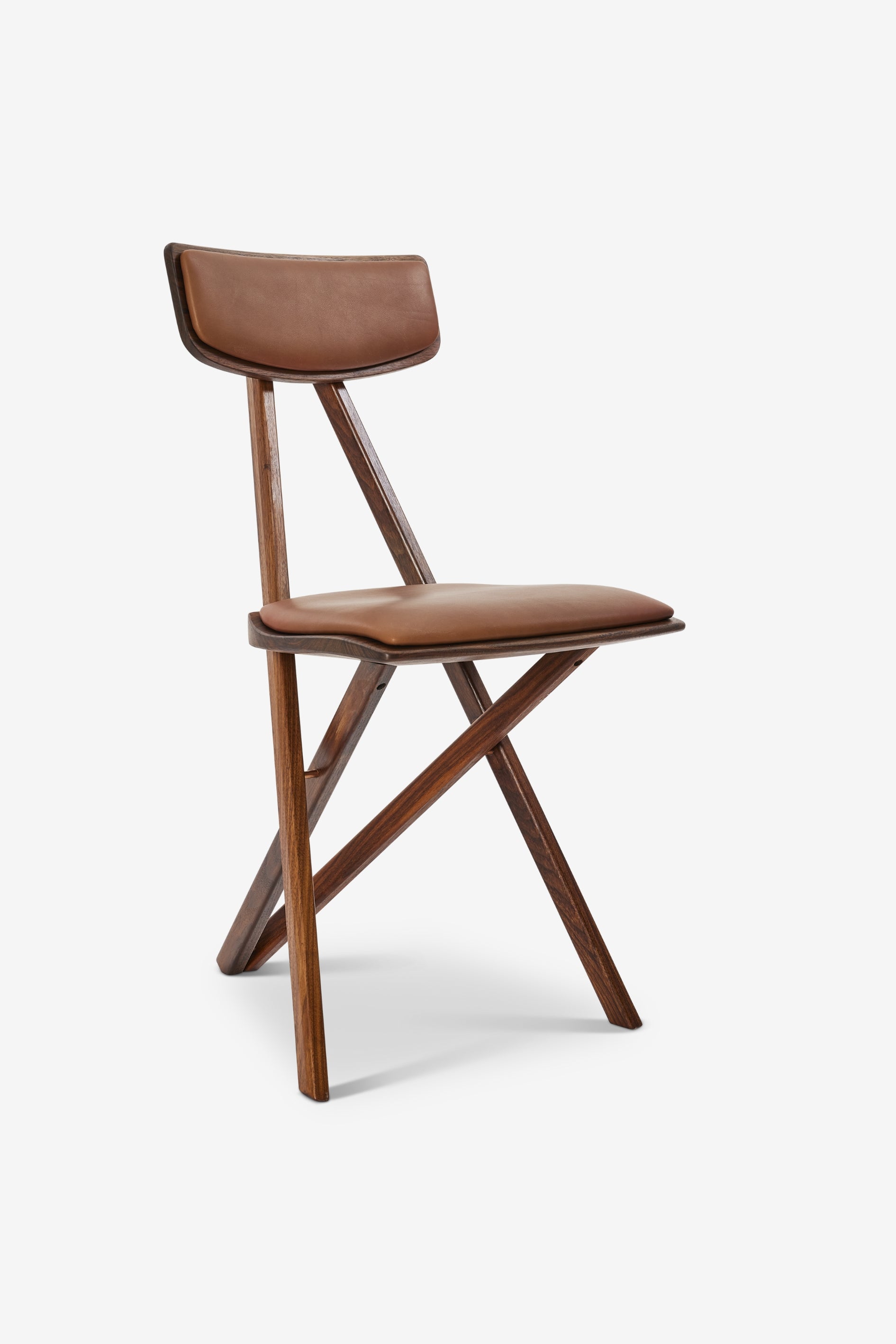
Wool is breathable, durable, and possesses a natural elasticity that allows the fabric to hold its shape even after years of use. When we design a Dining chair JN16 in walnut wood with an upholstered seat, we select materials with a high Martindale value, which is a measure of the textile's durability. However, even the strongest wool fabric requires care. By understanding the material's composition, you can avoid common mistakes, such as the excessive use of water or harsh chemicals.
When Spills Occur: The Gentle Approach to Spot Cleaning
Spills are inevitable in a living home, but they do not have to leave permanent marks. The key to successful spot cleaning is rapid reaction and patience. Caring for upholstered furniture requires a steady hand when coffee or wine hits the fabric.
Blot, Never Rub
The most common mistake is attempting to rub the stain away. This will only press the liquid deeper into the padding and risk damaging the fiber structure. Instead, use a clean, white cloth or paper towel to absorb as much liquid as possible by blotting gently. Always work from the outside in toward the center of the spill to prevent it from spreading.
Using Mild Cleaning Agents
If water is not enough, you can use a mild soap solution, such as wool detergent or a specialized textile cleaner. Always test the agent on a non-visible area first to ensure it does not affect the color. On our page regarding Care and Maintenance, you will find further details on the products we recommend for our specific textiles. Remember to always wipe afterward with a damp cloth wrung in clean water to remove soap residue, as these can otherwise attract new dirt.
Impregnation and Long-Term Preservation
Many clients ask if it is necessary to treat their new furniture with a fabric protector. While many of the textiles we use are born with a certain level of resistance, a correctly applied impregnation can function as an extra shield. It makes caring for upholstered furniture easier in daily life, as liquids will bead on the surface rather than soaking in immediately.
Be mindful, however, to choose a protector intended for the specific material and one that does not alter the textile's breathability or appearance. We often recommend consulting us or reading our FAQ before beginning any chemical treatment of your design furniture.
Structure and Form: Maintaining Comfort
Caring for upholstered furniture is not just about the surface, but also about what lies within. The padding often consists of cold foam or other materials that provide support and shape. To ensure even wear, you should, if possible, rotate loose cushions regularly. For furniture with fixed upholstery, such as many of our chairs, it is about varying how you sit in the piece so the load is distributed.
Professional Cleaning
Even with the best home care, a professional cleaning every two or three years can work wonders. A professional furniture cleaner has the equipment to deep-clean the upholstery without soaking it, which removes accumulated grime and refreshes the fibers. It is an investment in the longevity of the furniture that often pays for itself many times over.
A Holistic Approach to Your Interior
At Noyer, we view the piece of furniture as a whole. When you maintain the upholstery, you should simultaneously cast an eye on the wooden frame. A well-cared-for wool surface looks best in the company of a well-maintained walnut frame. By following our guidelines for caring for upholstered furniture, you ensure that the interplay between the soft textile and the hard wood remains harmonious.
If you are in doubt about the care of a specific piece, or if you are considering upgrading your living space with new classics, you are always welcome to visit our showroom. Here, we can show you the various textiles and provide personal advice on how best to look after your specific Noyer furniture. Proper maintenance is the foundation of a beautiful home that can be enjoyed for many years to come.