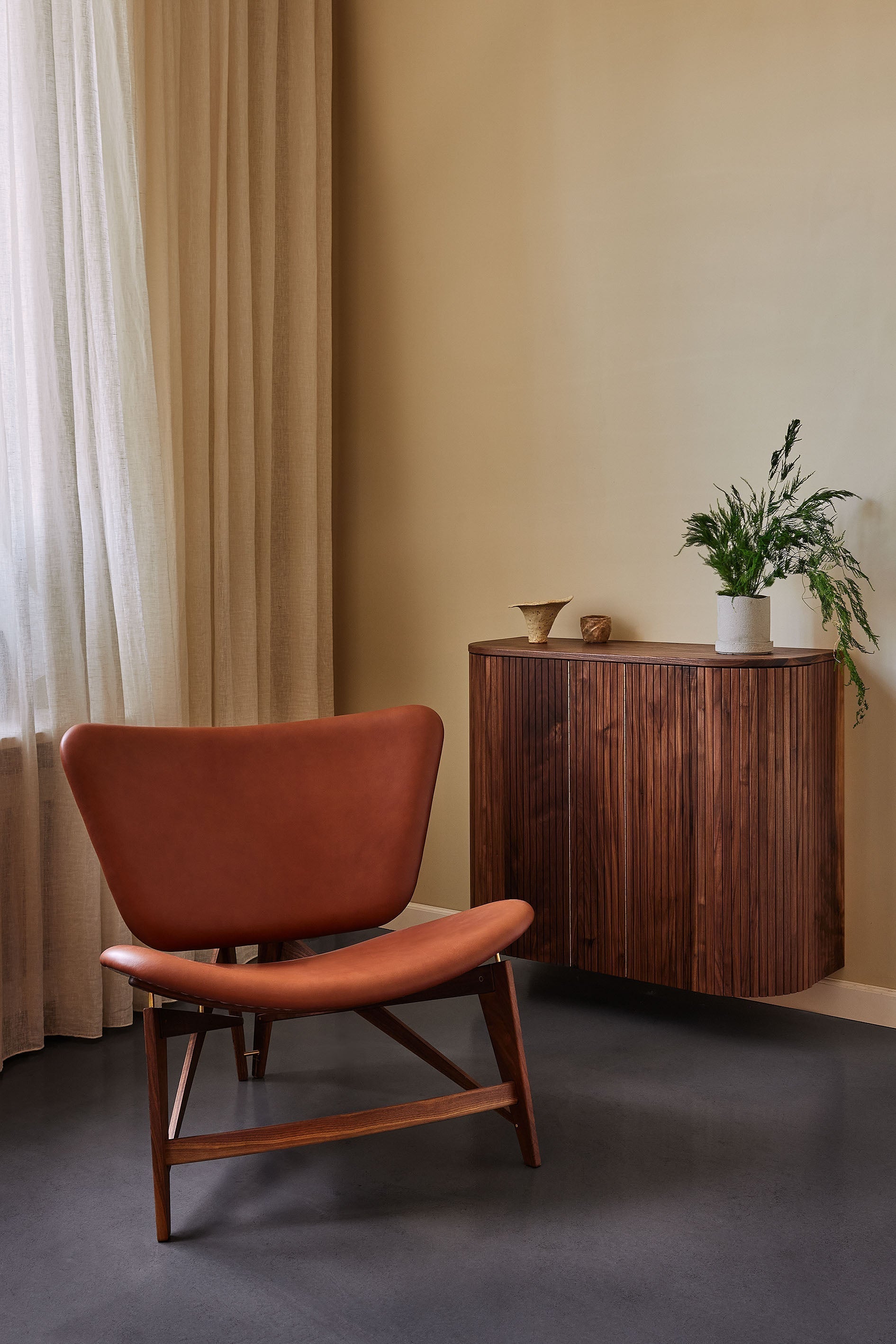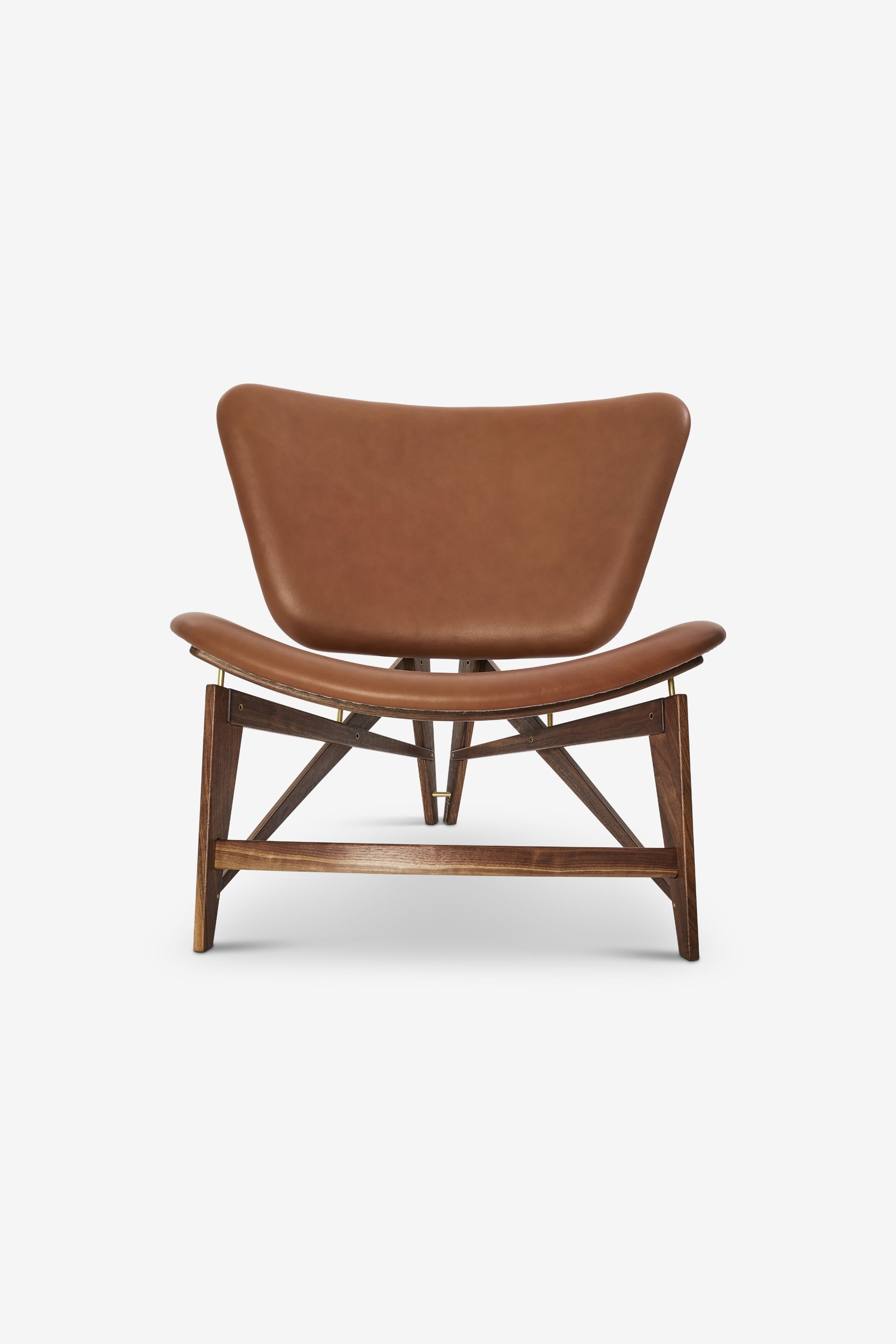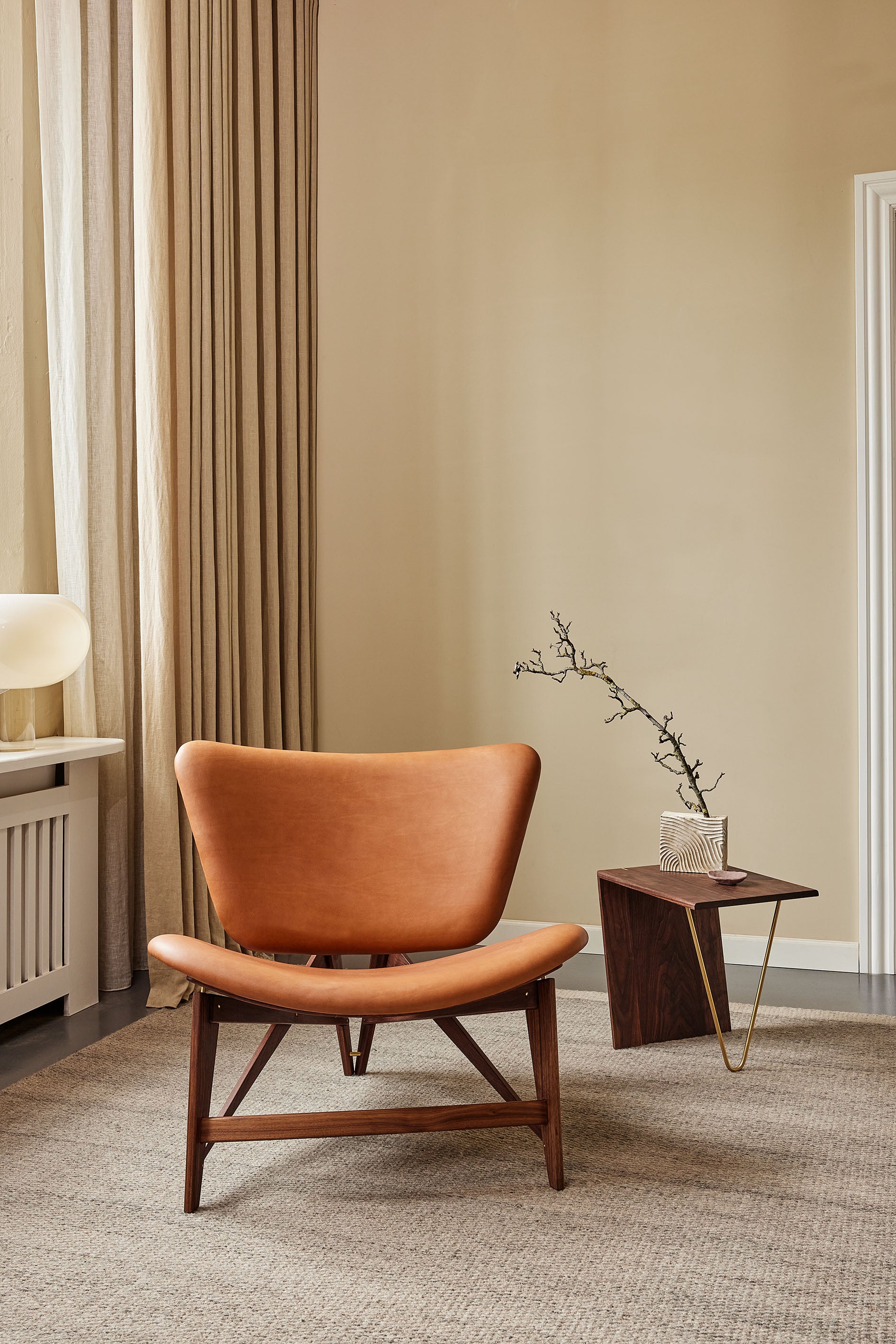
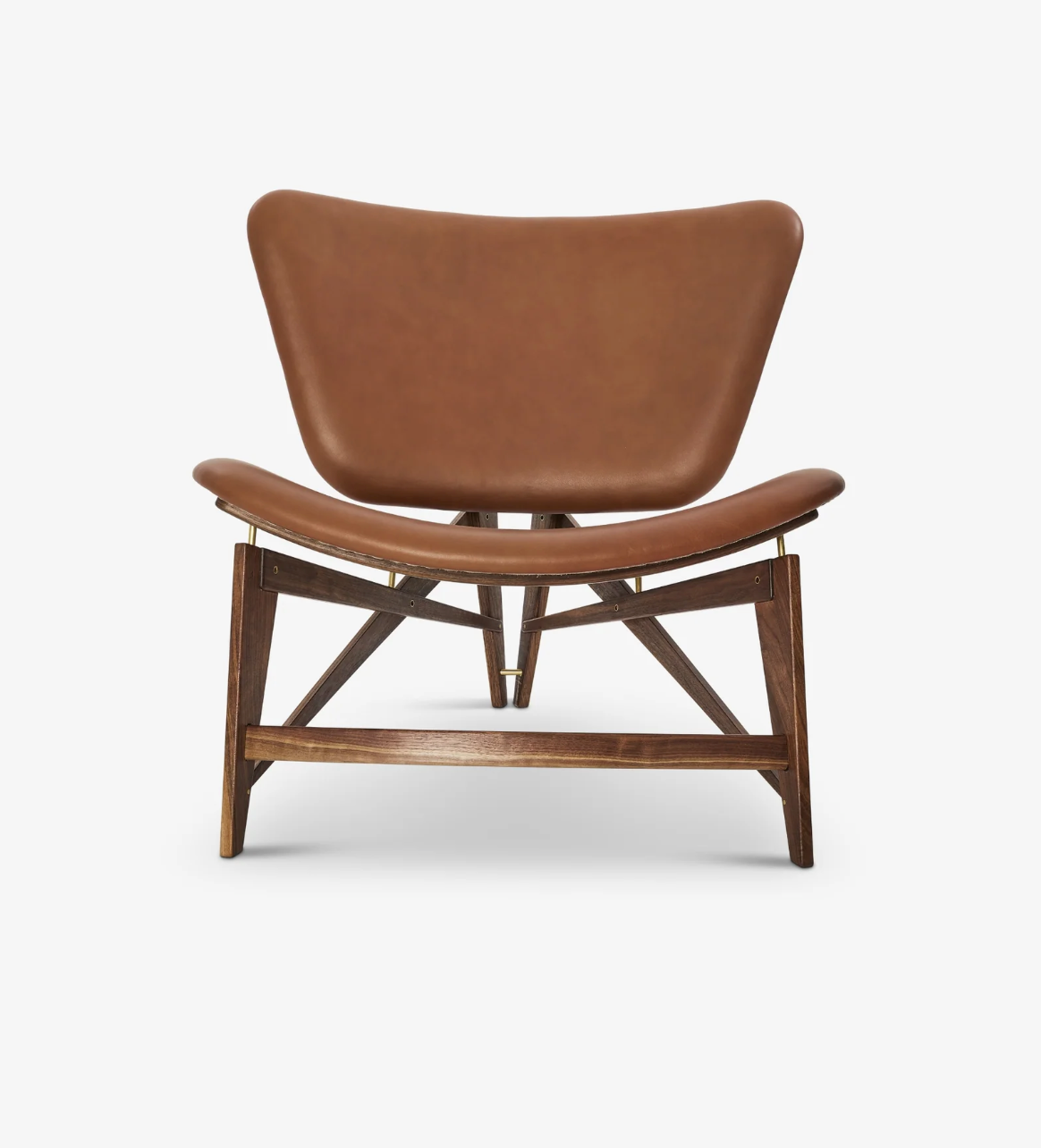
When you run your hand across the surface of a Lounge chair JN15 Leather, you immediately sense the result of countless hours of dedicated craftsmanship. The deep, chocolate glow of the American walnut and the supple texture of the leather tell a story of quality and material choices designed to endure. However, like all living materials, wood and leather require mindful attention to age with grace. Caring for your walnut lounge chair is not merely a practical necessity; it is a way of honoring the craft and ensuring that the piece can be passed down to the next generation in even more beautiful condition than when it first left our workshop in Valby.
At Noyer, we work exclusively with high-quality American walnut, a species renowned for its strength and its characteristic, flowing grain patterns. Because we treat our furniture with cold-pressed linseed oil, we preserve the wood's breathability and tactility. This also means the wood remains responsive to its environment. Proper care is essential to prevent drying and to maintain the warm, saturated color that makes walnut so unique. In this guide, we will share the workshop secrets to preserving the integrity of your investment.
Daily Care and the Nature of Oiled Walnut
The most effective approach to caring for your walnut lounge chair begins with simple, daily routines. Unlike lacquered surfaces that create a hard, plastic-like shell, an oiled surface remains living and open. This results in a surface that feels warmer and more natural to the touch, but it also requires a different kind of attention. For daily cleaning, we recommend using a dry or very firmly wrung-out cloth. Water is the natural adversary of wood if allowed to sit, so always avoid leaving moisture on the surface for any length of time.
It is vital to refrain from using universal cleaning agents, dish soaps, or traditional soap flakes on oiled walnut. Soap is designed to break down fats, and since the linseed oil in the wood is essentially a lipid, regular soap will gradually strip the wood of its protection, leaving it dull, greyish, and vulnerable. If a liquid is spilled on the chair, it should be blotted away immediately. Fortunately, thanks to the deep oil saturation performed at our workshop, the wood is surprisingly resilient against the small accidents of everyday life.
Placement and the Indoor Climate
Wood is a hygroscopic material, meaning it absorbs and releases moisture based on its surroundings. To optimize your care routine, consider the chair's placement within the room. While walnut is robust, it is also highly photo-reactive. Direct, harsh sunlight will, over time, mellow the wood's natural pigments, often shifting the dark tones toward a lighter, more golden hue. Similarly, placing a chair directly next to a radiator or a wood-burning stove can cause the wood to dry out too rapidly, which in extreme cases may lead to small tension cracks. A stable indoor climate with consistent humidity is the greatest gift you can give your furniture.
Deep Nourishment: Re-oiling and Renewal
When the wood begins to look slightly parched after a year or two, or if the dark nuances lose their depth, it is time for a rejuvenation. Caring for your walnut lounge chair with a fresh application of oil is a sensory process that truly wakes the furniture up. We recommend using a high-quality, finely filtered linseed oil, applied in a thin, even layer with a lint-free cloth.
Allow the oil to penetrate the wood for approximately 15 to 20 minutes. This is where the magic happens: the grain patterns become vivid once more, and the wood regains its luster. However, it is crucial to wipe off all excess oil with a clean, dry cloth afterward. If oil is left to dry on the surface, it can become tacky and difficult to remove. A correctly executed oiling leaves the wood saturated, silky-smooth, and with renewed resistance. For a more technical breakdown of the process, you can explore our dedicated Care and Maintenance page.
Addressing Scratches and Surface Marks
One of the primary advantages of solid wood furniture over veneered or lacquered alternatives is the possibility of repair. If your lounge chair sustains a scratch, it is rarely a permanent injury. By sanding gently in the direction of the grain with fine-grit sandpaper, 400 grit or higher, you can often remove superficial marks entirely. After sanding, simply apply a small amount of oil to the area, and the repair will quickly blend into the rest of the chair. This is the essence of sustainable design: creating pieces that can be restored rather than replaced.
Maintaining Aniline Leather and Textiles
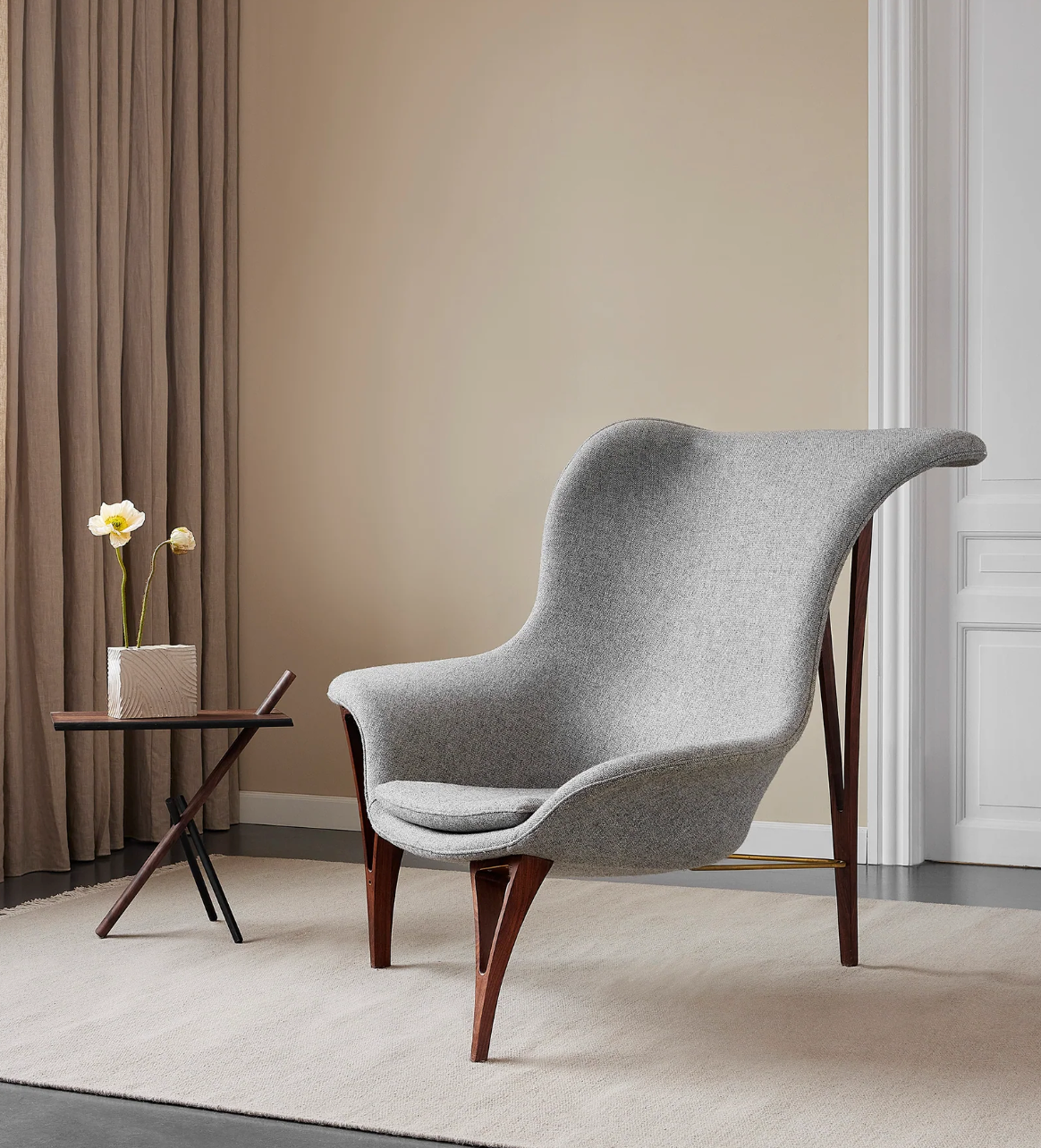
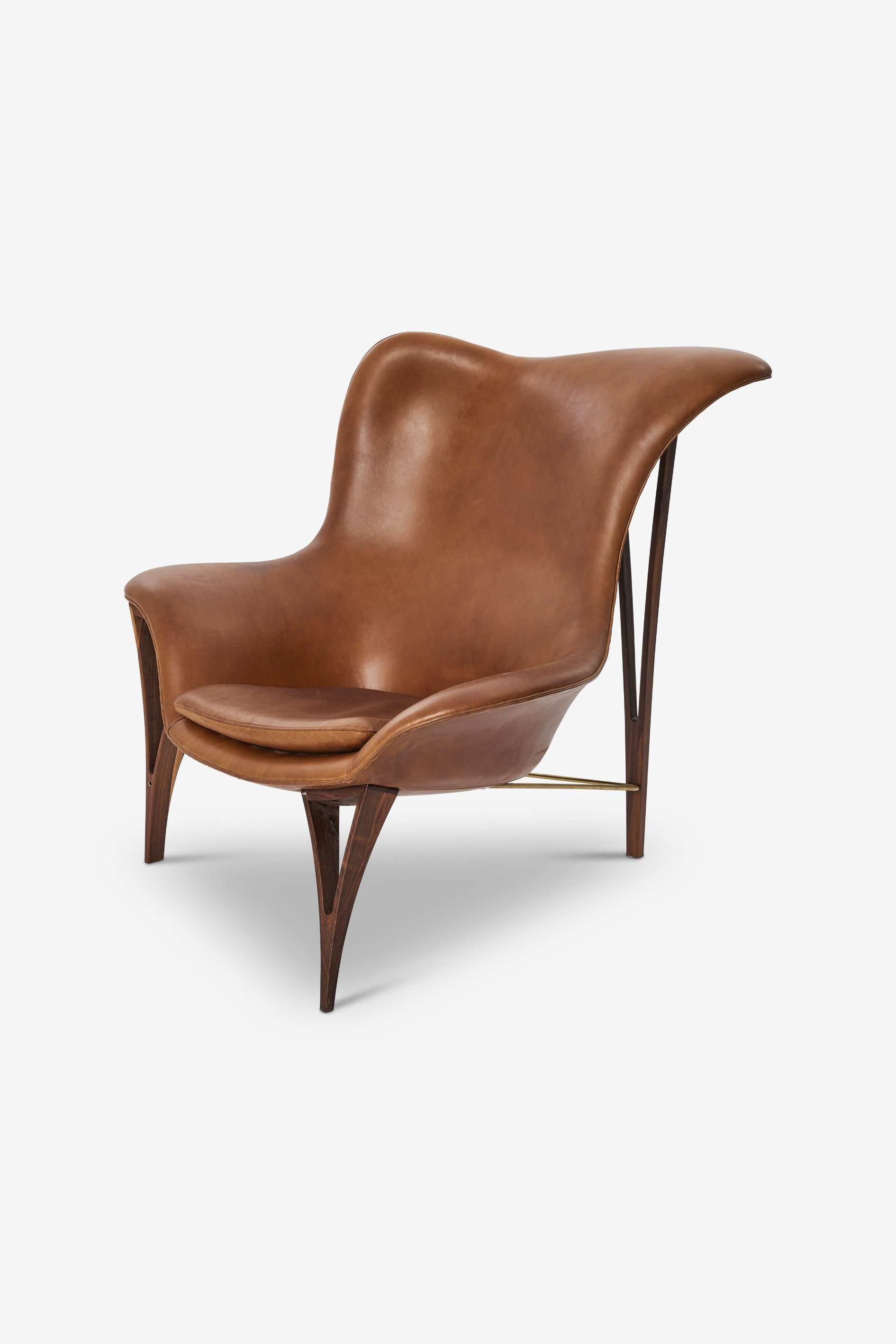
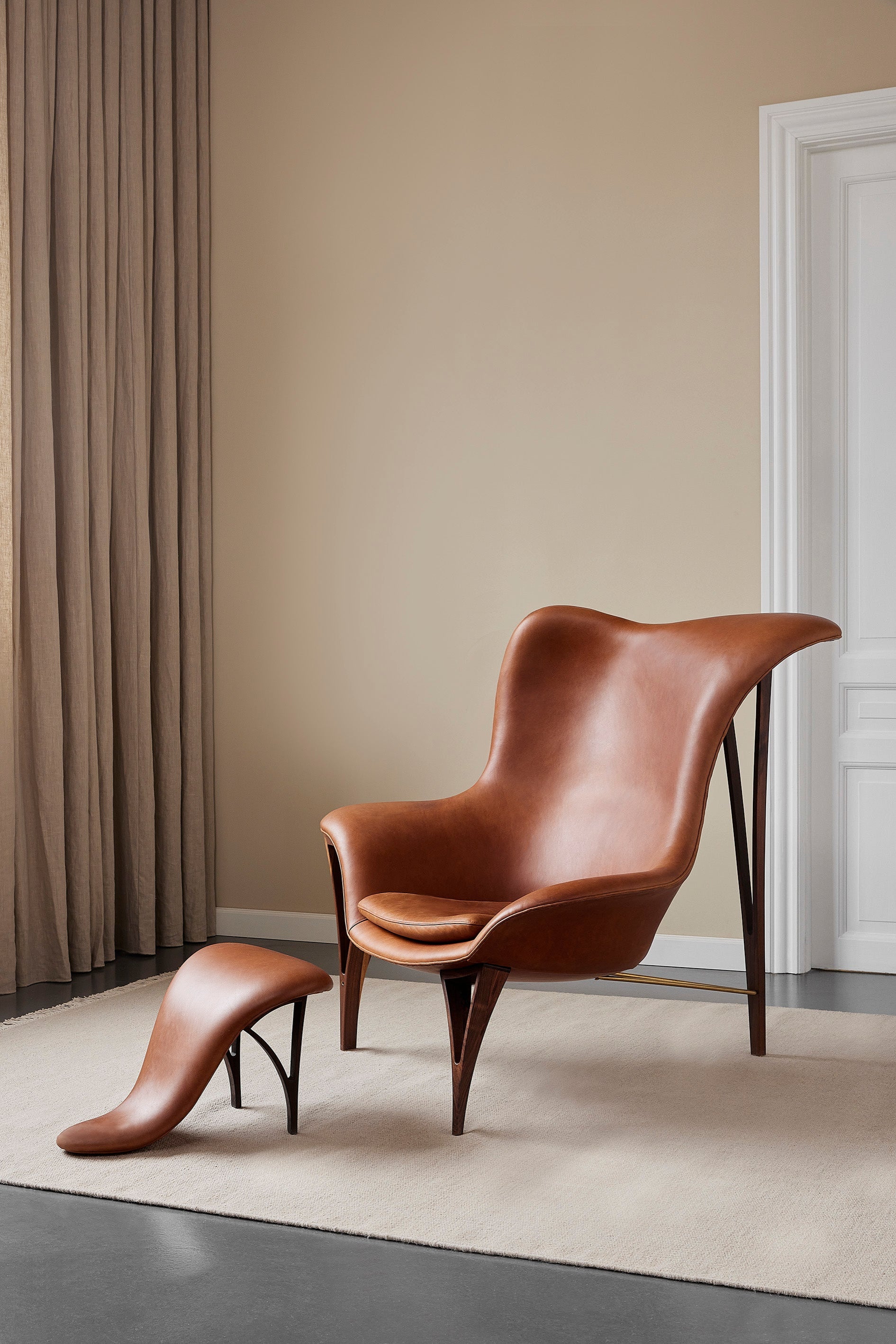
Many of our signature pieces, including the iconic Armchair JN07 Leather, are upholstered in premium aniline leather. This is the most natural form of leather, where the hide's original structure, pores, and markings are preserved. This also means the leather is open and receptive to developing a patina. In the world of high-end design, patina is not something to fear; it is the evidence of a life lived and makes each individual chair unique.
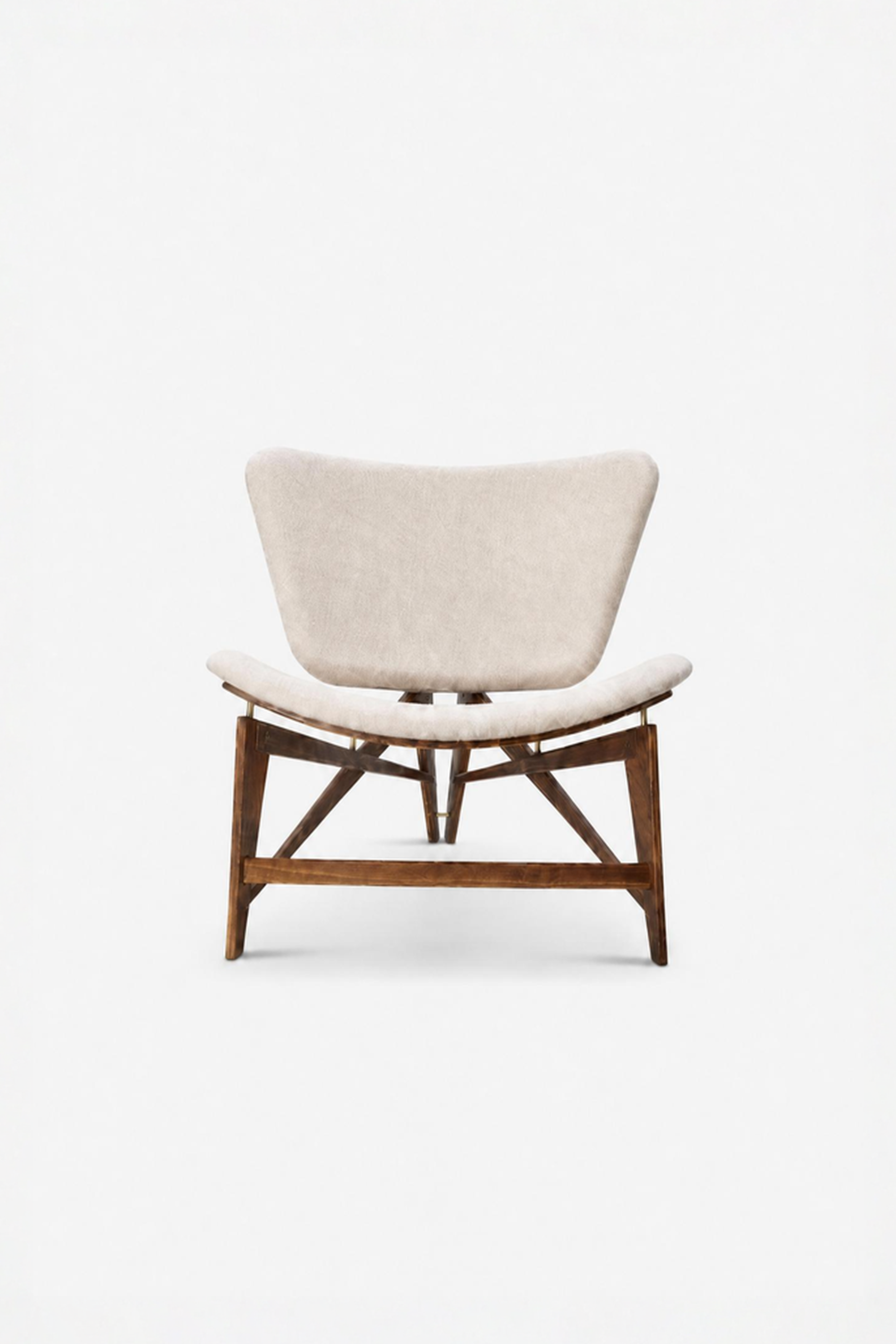
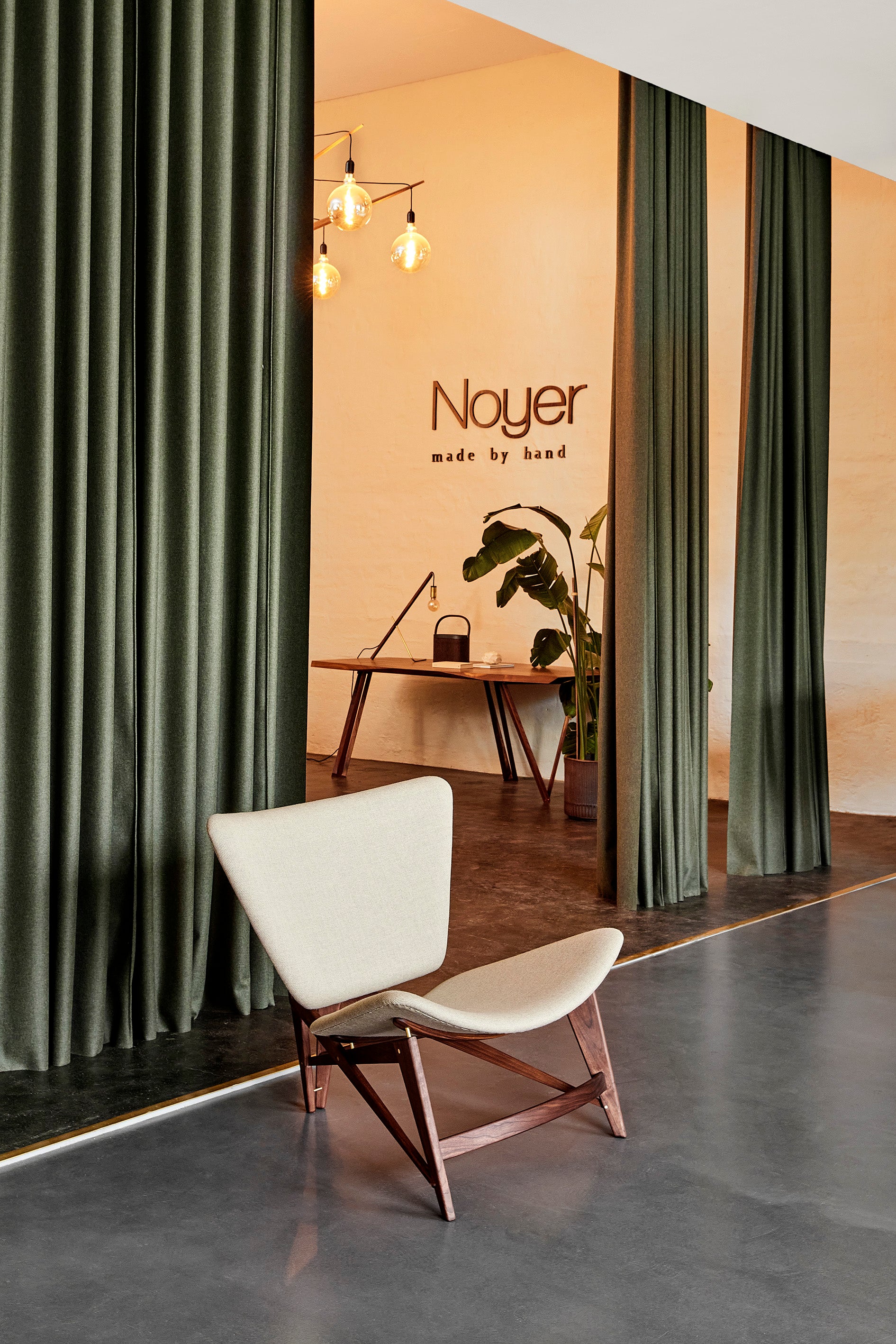
Caring for the leather requires minimal effort but consistent habits. Vacuum the upholstery regularly with a soft brush attachment to remove dust particles that can otherwise act as an abrasive on the leather's surface. If the leather feels dry or tight, a mild leather conditioner or balsam can be applied once or twice a year. Be aware that aniline leather will often darken slightly upon treatment, so always test a small, inconspicuous area first. For those who have chosen a model like the Lounge chair JN15 Wool, maintenance is even simpler, as wool is naturally dirt-resistant due to its high lanolin content.
Frequently Asked Questions About Caring for Your Walnut Lounge Chair
We often receive questions from clients who wish to protect their investment. Here are the most common considerations gathered from our workshop experience:
How often should I oil my chair?
There is no fixed schedule, as it depends entirely on the light exposure and humidity in your home. A good rule of thumb is to trust your sense of touch. If the wood feels dry or looks matte, it is time for nourishment. For most homes, a treatment every 12 to 24 months is sufficient. You can find further details in our FAQ.
Can I remove water rings from walnut?
Yes. If an accident occurs and a pale ring forms from a glass, it can usually be removed with light sanding and subsequent re-oiling. This is the beauty of the oiled finish; the protective layer can always be rebuilt and blended.
Why is the color of my chair changing?
As mentioned, walnut is photo-reactive. It is natural for the wood to become slightly lighter and more golden over time when exposed to UV light. Most collectors find this process beautiful, as it adds character and depth to the piece. Regular oiling helps keep the color saturated and the wood fibers healthy.
An Investment in the Future
Owning a piece from Noyer is an invitation to slow down and appreciate tactile quality in everyday life. Whether you have fallen for the sharp, architectural angles of the Lounge chair JN15 or the organic, sweeping curves of the JN07, proper care is the key to preserving that joy for decades.
If you are ever in doubt about which care products or techniques are right for your specific piece, you are always welcome to visit our showroom in Valby. We can demonstrate the techniques in person and advise on the best products to keep your chair in peak condition. Ultimately, good maintenance is about a love for the material and the desire to surround yourself with objects that only improve with time.