Leather is one of the most tactile and living materials we work with at Noyer. It possesses a rare ability to tell a story, where every fold and every nuance in color bears witness to a life lived. However, for this story to remain beautiful, the material requires an understanding of its inherent nature. A proper leather furniture care guide is not merely about cleaning: it is about preserving elasticity, depth of color, and that unique sensation of quality that only natural materials can provide.
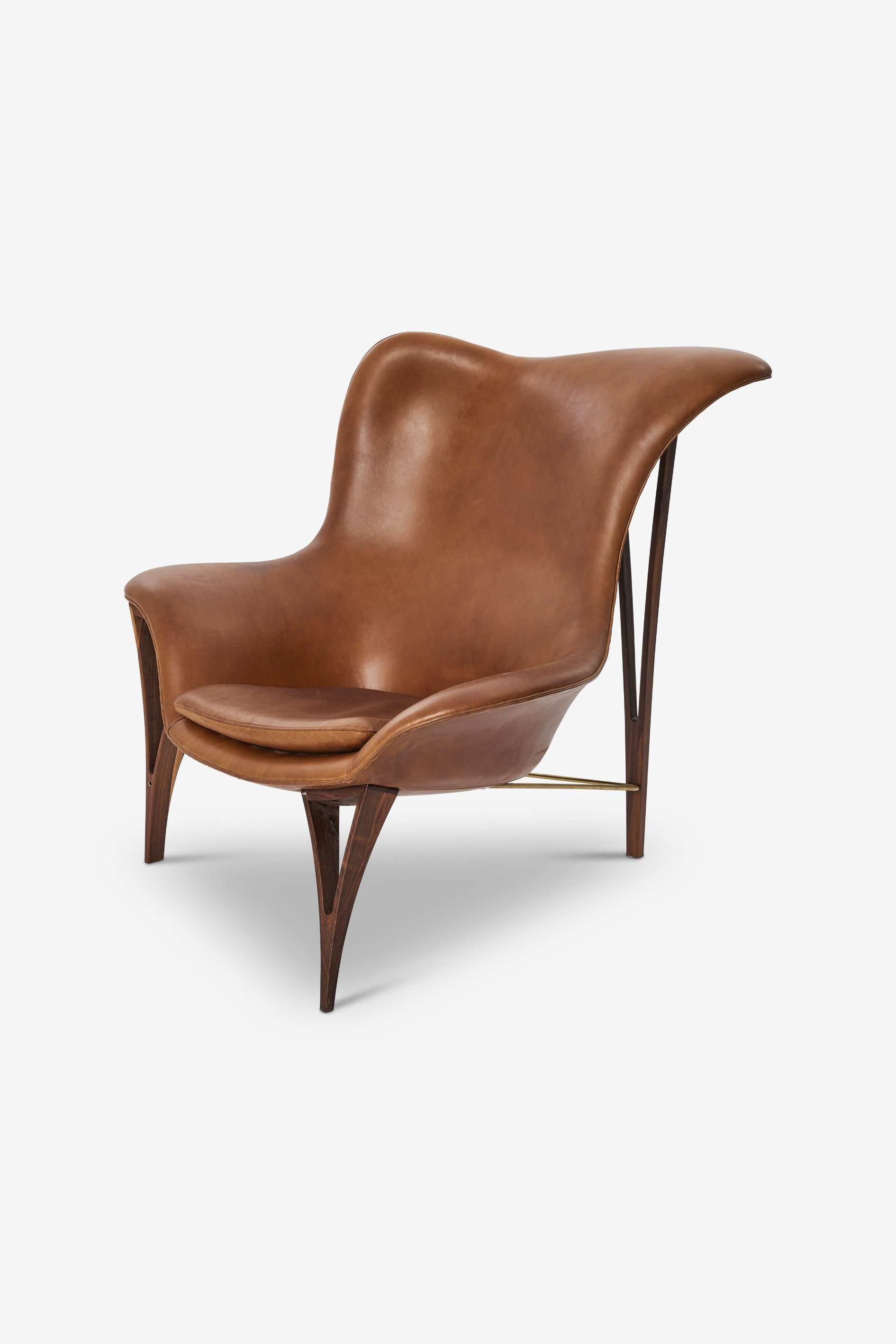
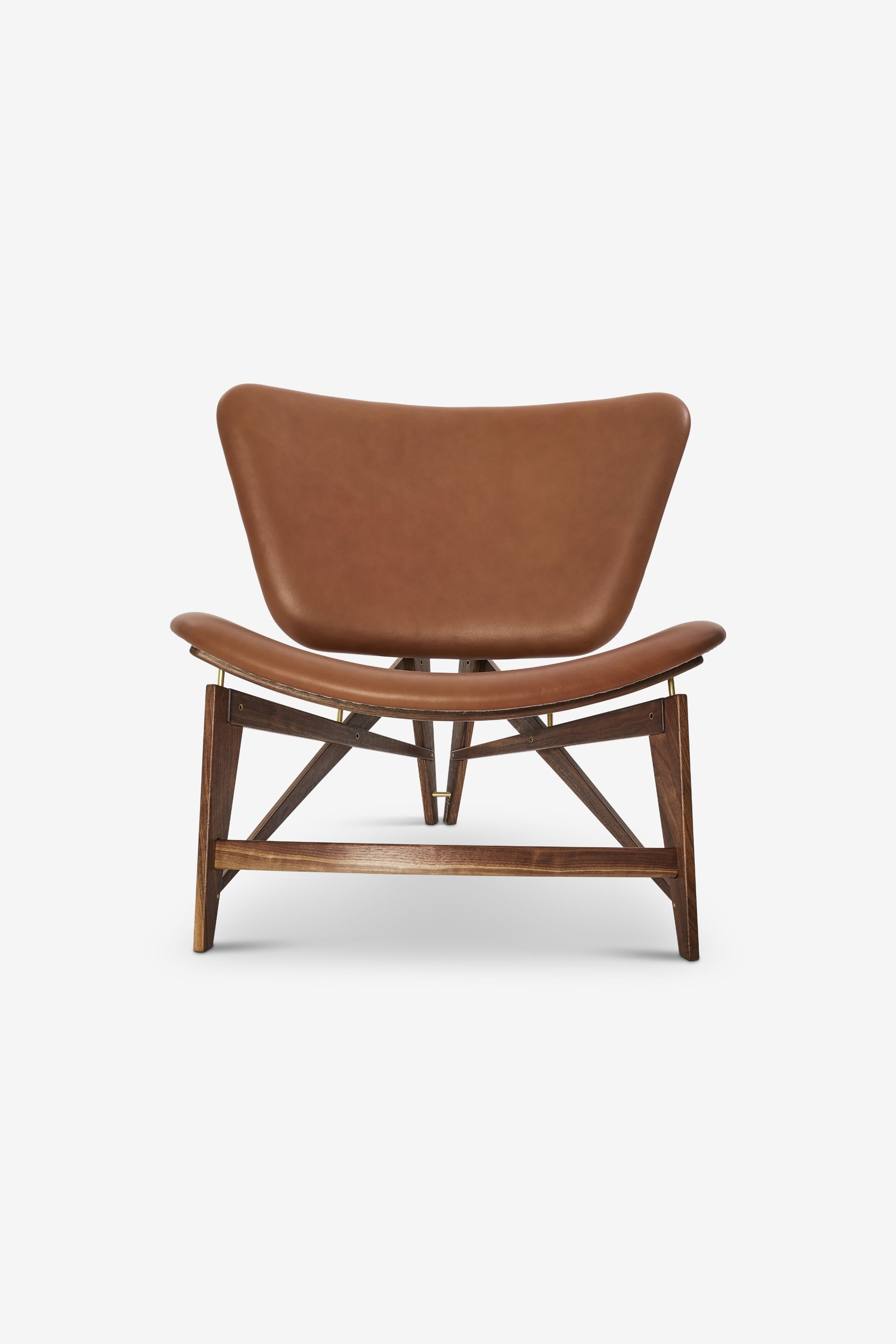
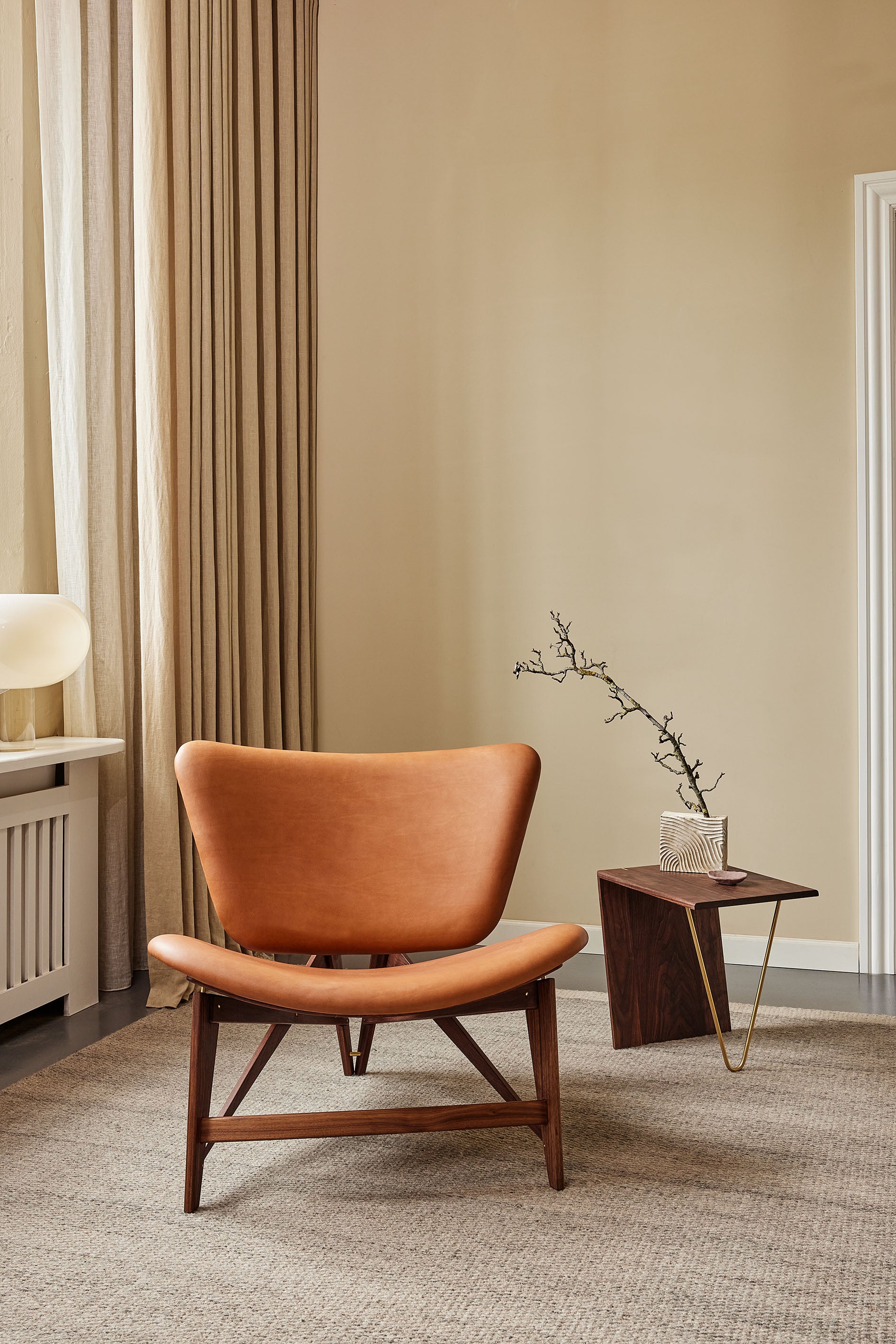
When we design pieces such as our Armchair JN07 Leather, we select the hides with the same meticulous care as we do our walnut wood. Both materials are organic, and both grow more beautiful over time if they receive the right attention. In this guide, we delve into the professional techniques that ensure your leather furniture ages with grace, developing a sought-after patina rather than simply showing wear.
Understanding Your Material: From Aniline to Natural Character
Before beginning any leather furniture care guide routine, it is vital to understand the specific hide you are working with. At Noyer, we often prefer aniline or semi-aniline leather, as these types retain the skin's natural structure and breathability. Aniline leather is the most natural form, where only the finest hides are used because the surface remains entirely bare, without covering pigments. This makes the material incredibly soft and warm, but also more susceptible to light and liquids.
Semi-aniline leather has received a light surface treatment, making it slightly more resistant to everyday use without losing its authentic feel. Regardless of the type, the goal of maintenance is to keep the pores open and the fibers supple. If leather dries out, it loses its strength, and small cracks can appear in the surface that are difficult to repair. By understanding the origin of the material, you can better assess how much and what type of care is necessary.
Daily Maintenance: Precision and Simplicity
The most important part of caring for leather furniture is, paradoxically, the least complicated. Dust is one of leather's quietest yet most persistent enemies, as small particles can settle into the pores and act as an abrasive when you sit in the furniture. A weekly wipe with a soft, dry cloth or a microfiber cloth removes this superficial dirt before it has a chance to cause damage.
The Importance of the Correct Cloth
If a more thorough cleaning is required, always use a cloth that has been wrung out hard in lime-free water, such as demineralized water or cooled boiled water. It is essential that the cloth is only slightly damp: leather must never be soaked. By using gentle, circular motions, you can remove light stains without damaging the material's natural oils. Always avoid the use of dish soap or universal cleaning agents, as they contain chemicals that degrease the leather and accelerate the drying process.
Nourishing the Hide: How to Condition Leather Furniture
After the furniture has been in use for a few months, it will naturally begin to release some of its moisture and oils to the environment. To maintain its legendary suppleness, the material must be nourished. We recommend using a high-quality leather cream or leather balm two to four times a year, depending on the intensity of use and the dryness of the indoor climate.
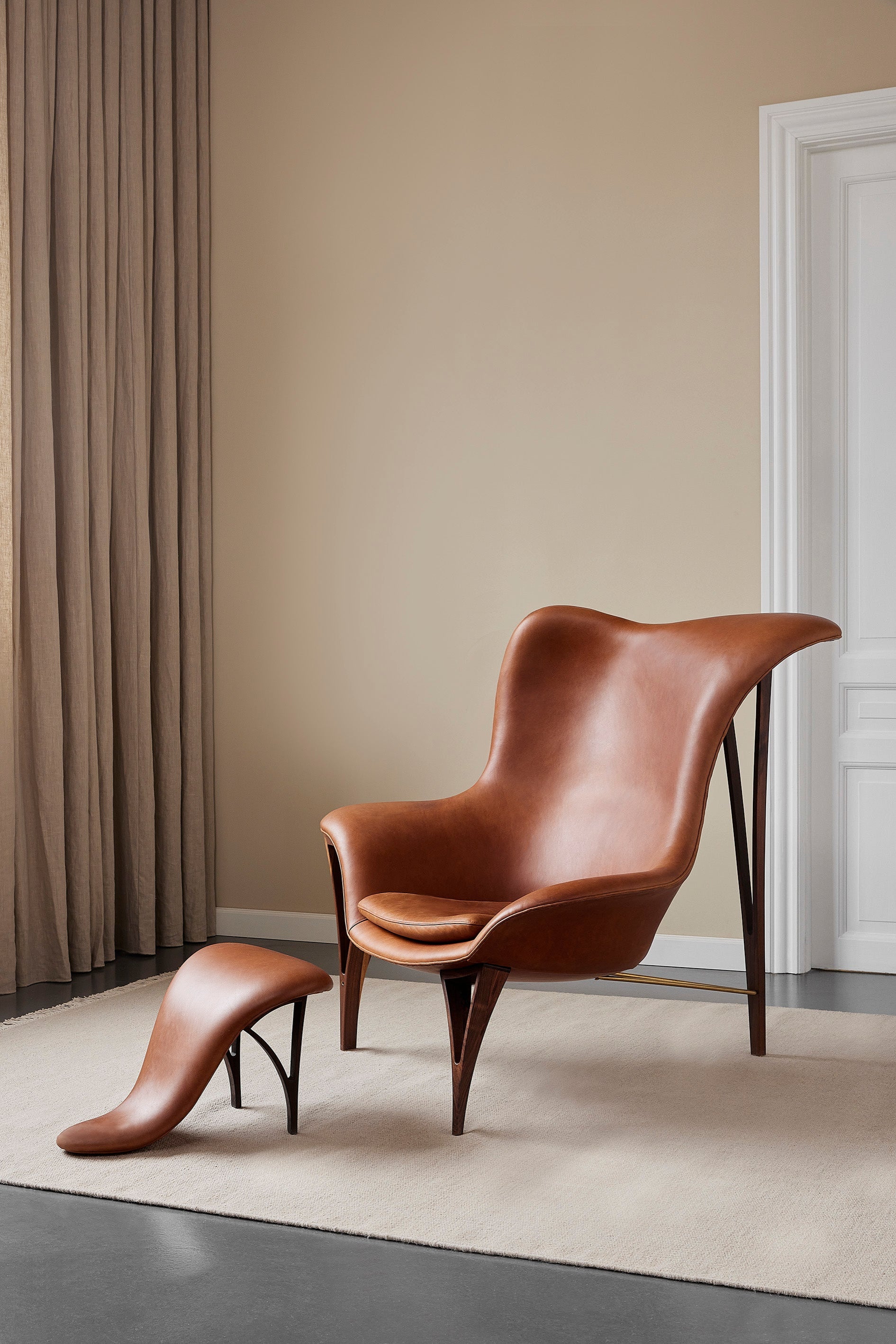
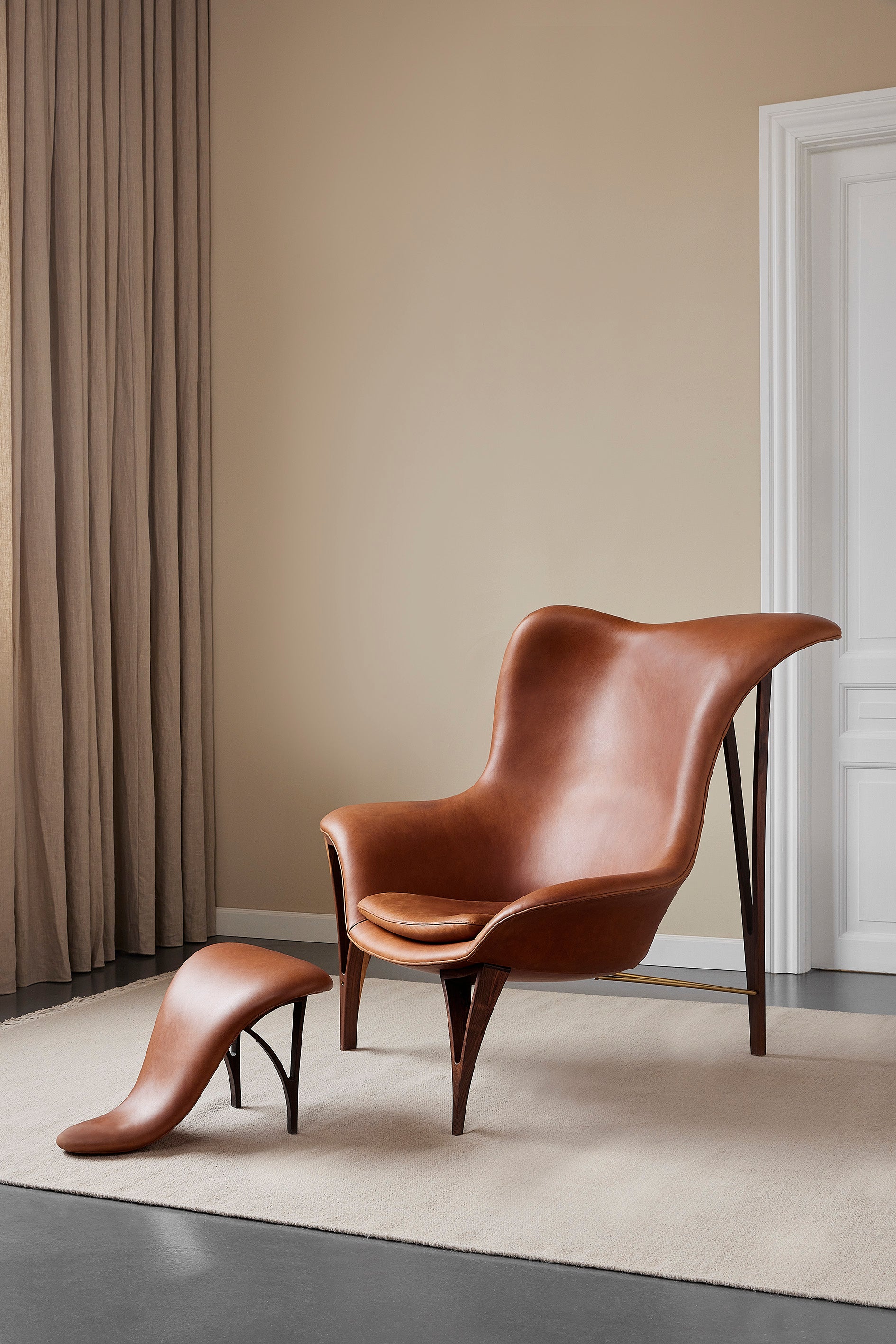
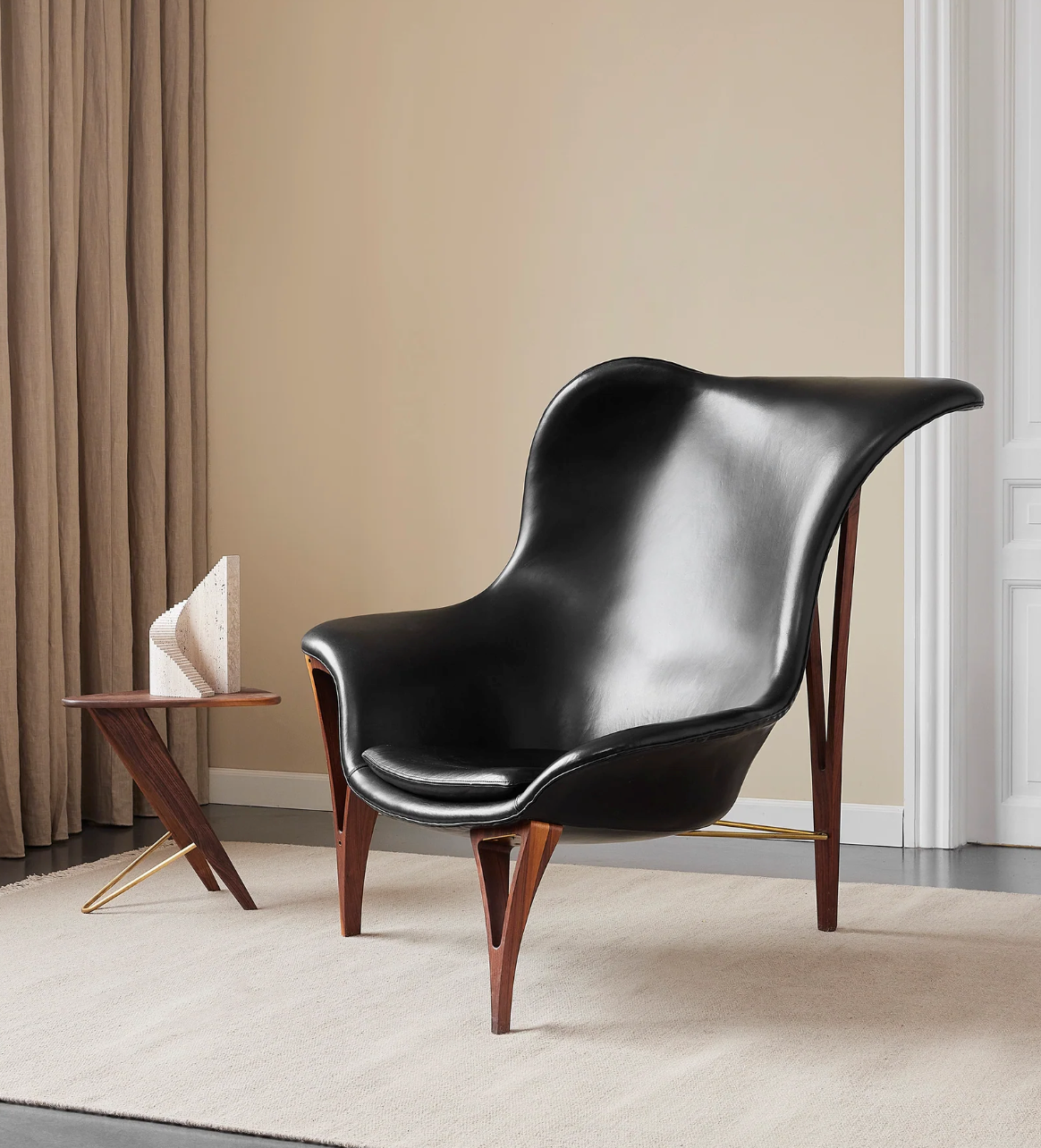
The process is simple but requires patience. Apply a thin, even layer of the care product with a lint-free cloth. Allow the product to penetrate the leather for at least 15 to 30 minutes, giving the fibers time to absorb the nourishment. Afterward, buff the surface with a clean, dry cloth to remove any excess product. This process is particularly vital for pieces with large surfaces, such as our Lounge chair JN15 Leather, where the texture of the leather is a central part of the visual expression. A well-maintained chair will not only feel better; it will possess a deeper glow that complements the dark, architectural tones of walnut wood.
Environmental Protection: Sunlight and Heat
An often-overlooked aspect of leather furniture care is its placement within a room. Much like wood, leather can fade and dry out if exposed to direct sunlight over long periods. UV rays break down the color pigments and make the leather stiff. If your favorite piece of furniture is situated near a large window, it may be wise to use curtains during the hours when the sun is at its most intense.
Similarly, one should avoid placing leather furniture directly against a radiator or a fireplace. Constant heat exposure draws moisture out of the material faster than it can be replaced through conditioning. A good rule of thumb is to maintain a distance of at least 30 to 50 centimeters from heat sources. This ensures a stable microclimate around the furniture, which is beneficial for both the leather and the wooden frame. For more specific advice on the combination of materials, you can explore our page on Care and Maintenance.
Managing Accidents and Stains
Even with the best prevention, accidents can happen. If you spill liquid on a leather sofa or a Footstool, speed is the most critical factor. Use a dry cloth or paper towel to absorb the liquid immediately. Avoid rubbing, as this only pushes the liquid deeper into the pores. Instead, dab gently until the surface is dry.
If a stain remains, you can attempt to clean it with a mild solution of soap flakes whipped into a foam. Only the foam should be applied to the leather, as it contains the nourishing fats without introducing too much water. Let the foam work for a moment, then wipe it off with a soft cloth. Always remember to test the method on an inconspicuous area first to ensure the leather does not change color unexpectedly.
Frequently Asked Questions
How often should I condition my leather furniture?
As a general rule, you should give the leather a thorough treatment with leather cream 2 to 4 times a year. During the winter months, when radiators are active and the air is dry, an extra round of care may be necessary to prevent dehydration.
Can I use food oils for leather care?
No, this is strongly discouraged. Food oils can become rancid and develop an unpleasant odor. Furthermore, they often do not penetrate the leather correctly, leaving the surface greasy and prone to attracting dirt. Always use products specifically developed for furniture leather.
Why is the leather on my chair cracking?
Cracking typically occurs because the leather has dried out. When the natural oils disappear, the fibers lose their elasticity and break under pressure. Regular nourishment with a high-quality leather balm is the best prevention against this.
Owning a piece of furniture from Noyer is an investment in craftsmanship and aesthetics. By following these simple steps in our leather furniture care guide, you ensure that your furniture not only lasts for decades but becomes more beautiful with each passing day. It is about respecting the material and providing the conditions it needs to live on in your home. If you have questions about specific leather types or the maintenance of our other materials, you are always welcome to visit our Showroom or contact us directly.