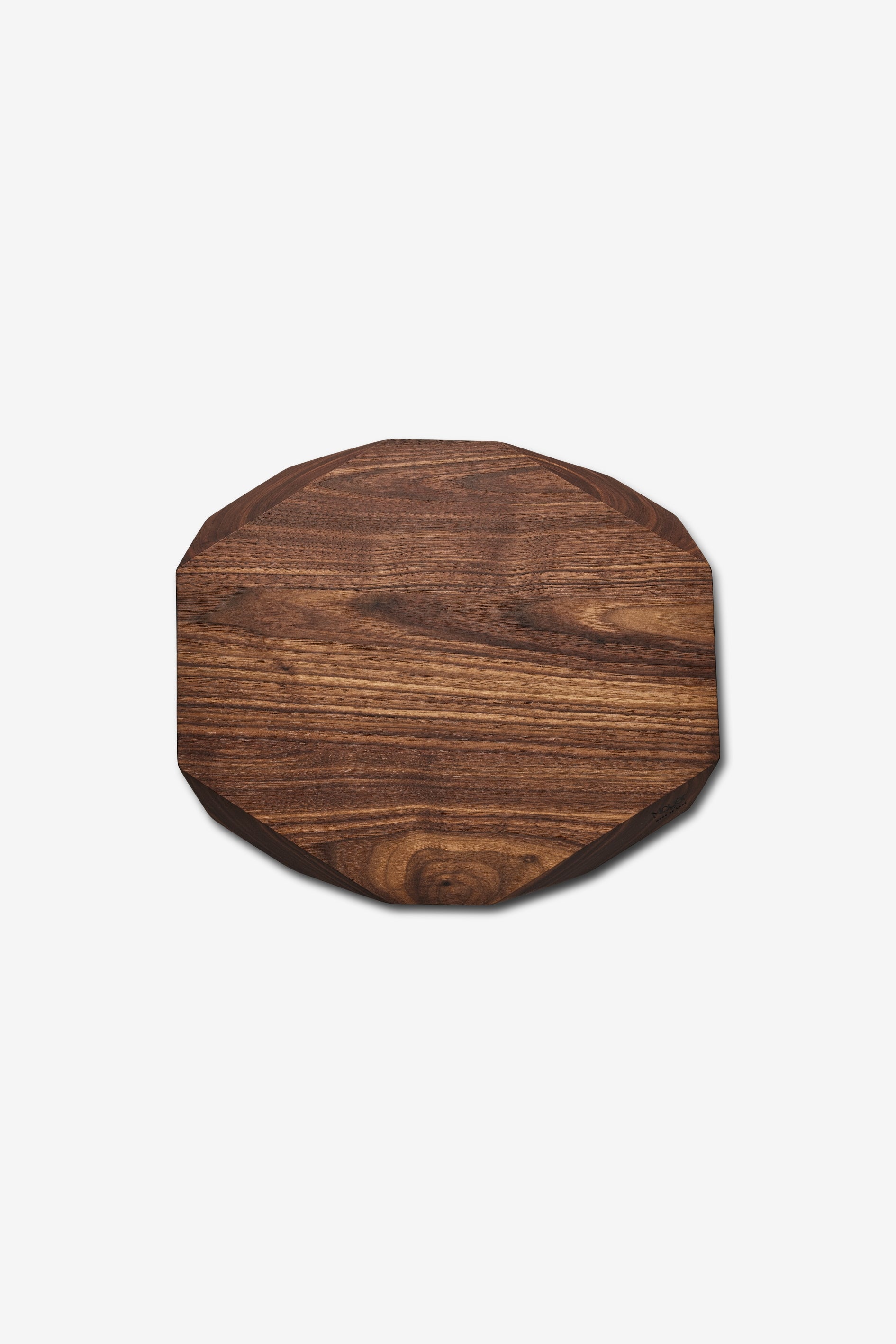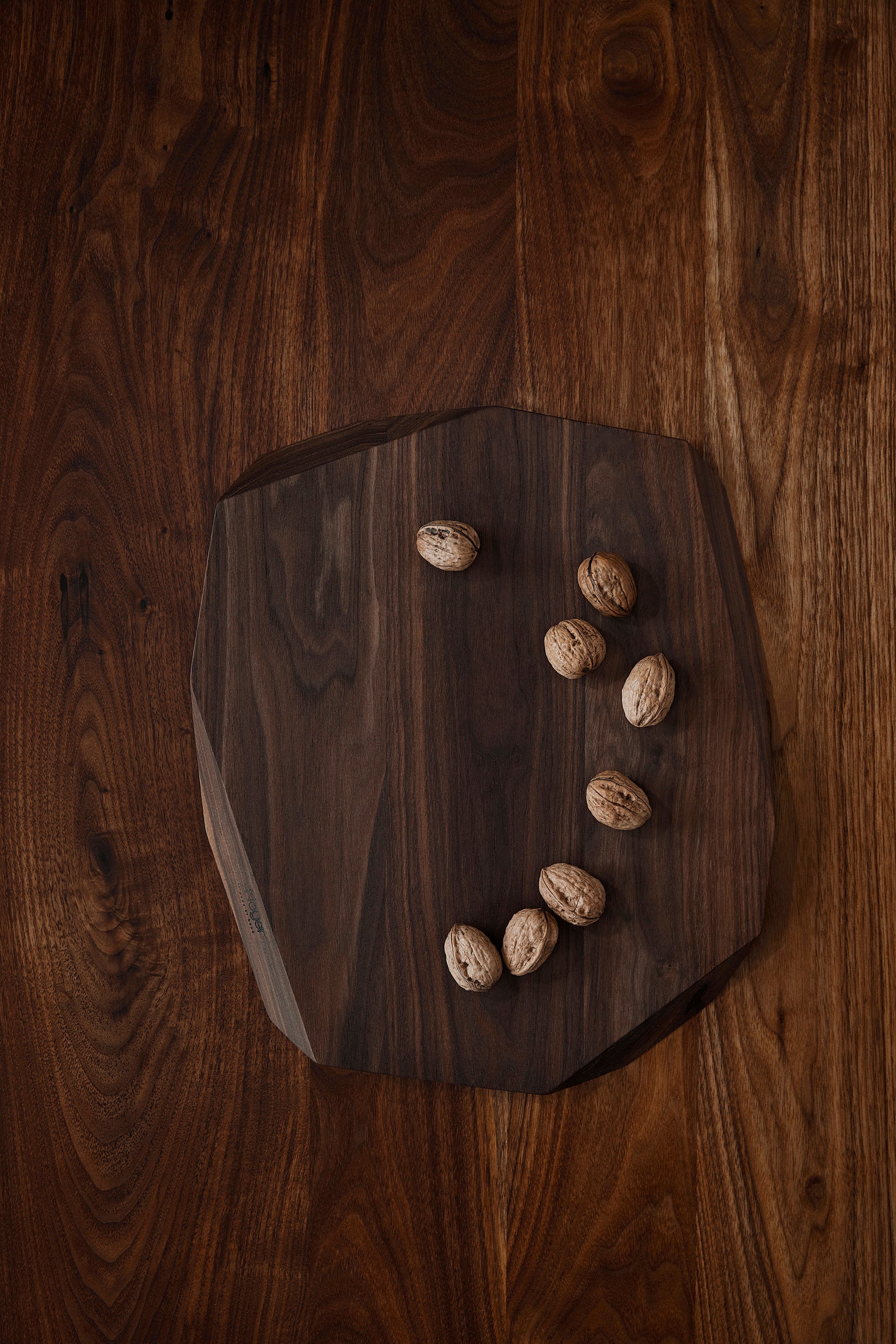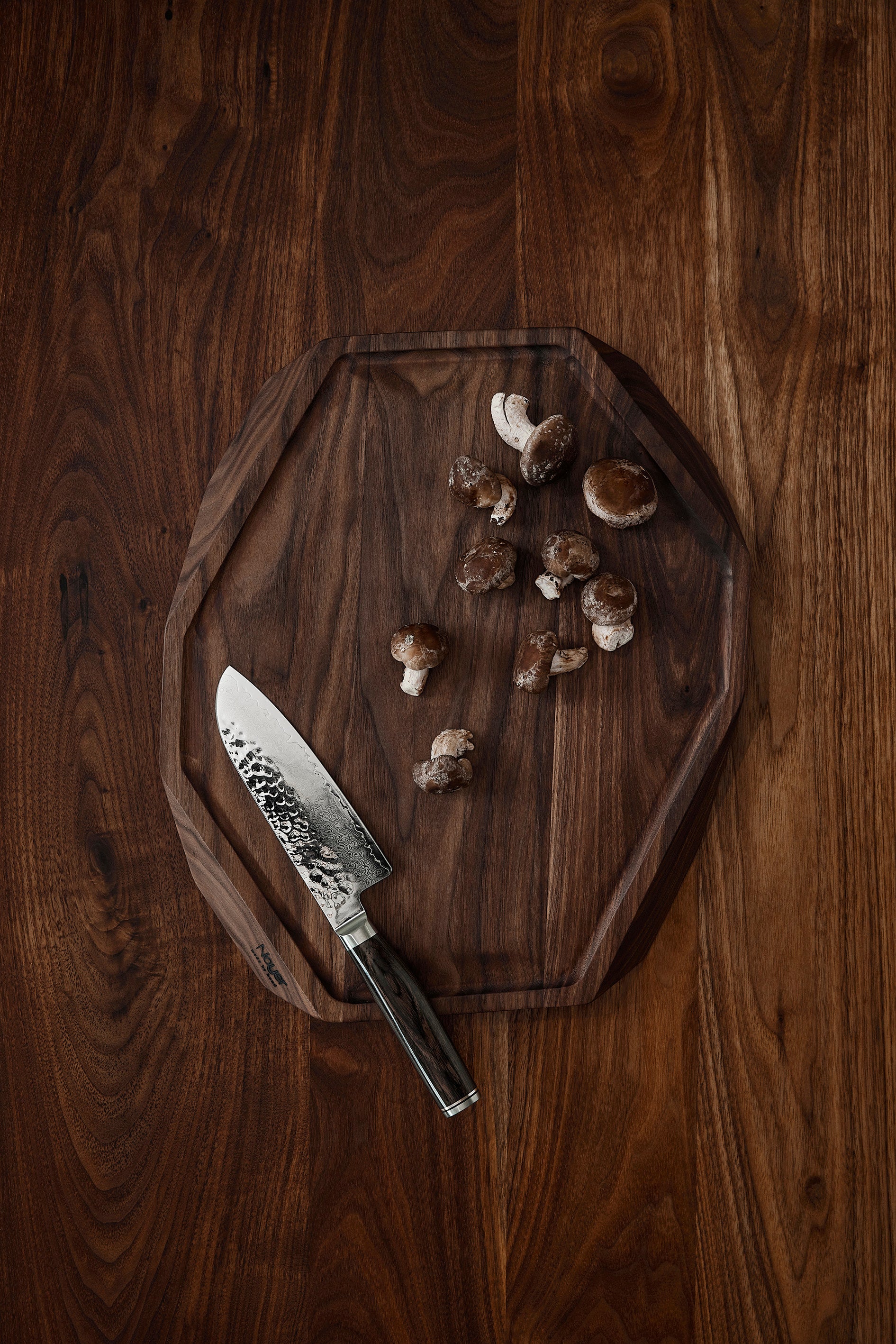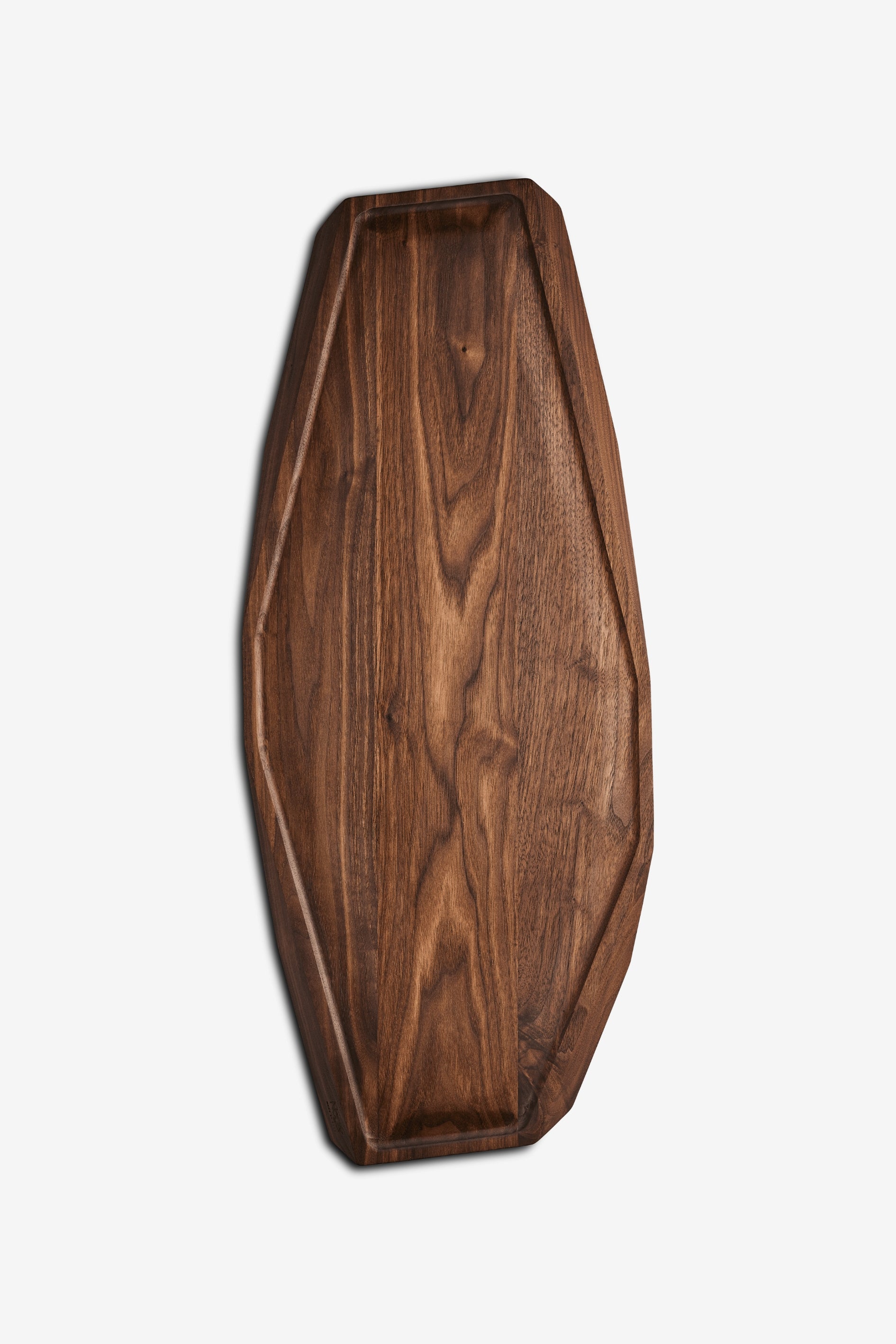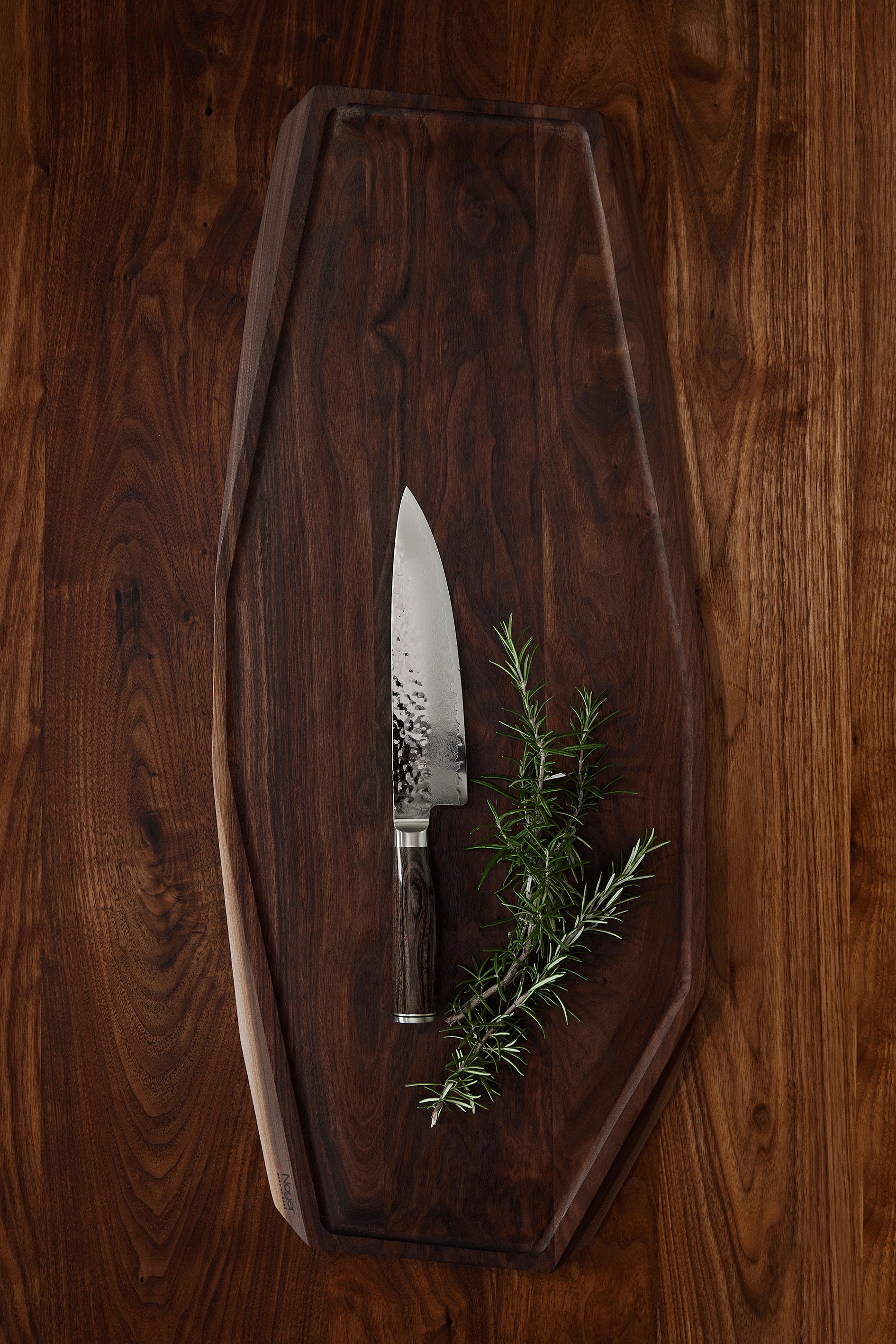
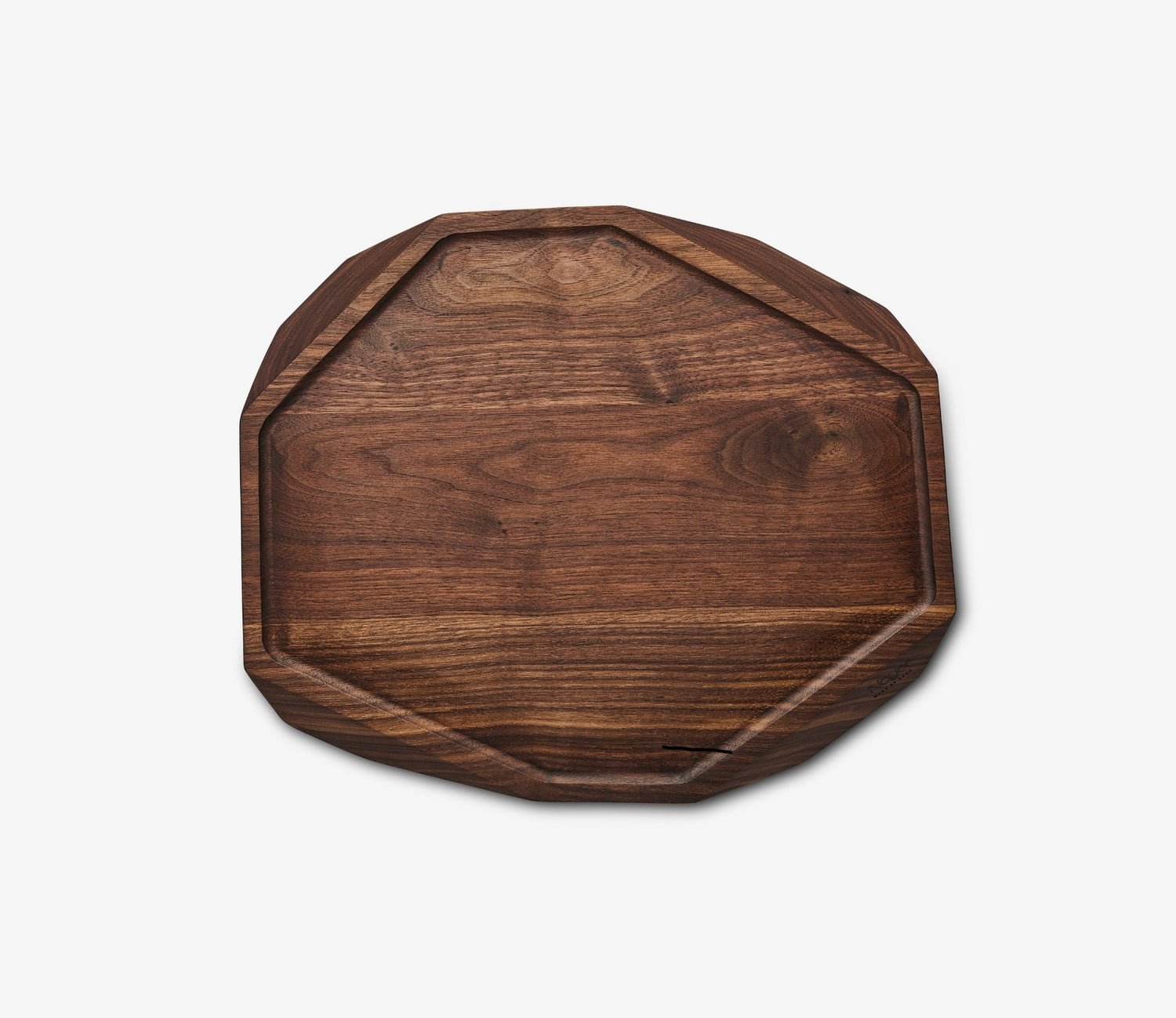
A solid walnut chopping board is more than just a surface for preparation; it is a piece of living nature that, with the right attention, only grows more beautiful with time. Masterful walnut cutting board care is a discipline that unites practical necessity with a deep respect for craftsmanship. At Noyer, we view our products as investments designed to be passed down through generations. Therefore, understanding how to preserve the integrity and deep glow of the wood is essential for any culinary enthusiast.
The Essentials of Daily Upkeep and the Golden Rules
The foundation of a durable wooden board begins with how it is handled every single day. Wood is an organic, breathable material that reacts to moisture, heat, and dryness. The most important rule in our Valby workshop is simple, yet absolute: never place your wooden board in the dishwasher. The high temperatures and intense moisture will cause the wood to warp, crack, or, in the worst cases, dissolve the joinery entirely. Furthermore, machine washing strips away the natural and applied oils that protect the fibers.
After each use, you should wash your Chopping Board by hand using lukewarm water and a mild detergent. It is crucial to wash both sides, even if you have only used one. This ensures even moisture absorption and prevents the board from bowing or curving as it dries. When it is time to dry, the board must stand upright. Many of our larger models, including the majestic Carving board, are designed with a specific aesthetic that allows them to stand as sculptures in the kitchen. This positioning ensures that air can circulate freely around the entire surface, preventing moisture from being trapped against a countertop.
Seasoning Your Walnut Cutting Board: Preserving Glow and Resilience
When you use your board frequently, you will notice the surface becoming lighter and more matte over time. This is a clear signal that the wood is thirsty for nourishment. Regular seasoning is essential to keep the wood saturated, ensuring it does not absorb juices from meat or pigments from vegetables. A well-saturated surface is also far more hygienic, as bacteria find it much harder to penetrate the dense, oiled fibers of the walnut.
Choosing the Right Oil for Walnut Cutting Board Care
In our production, we prefer cold-pressed linseed oil. We favor this specific type because linseed oil has a natural ability to harden within the wood's structure, creating a more durable and resilient surface over time. It is a food-grade oil that is ideal for contact with ingredients. If you do not have linseed oil at hand, a neutral food-grade mineral oil is a professional alternative. However, we advise against using olive oil or other vegetable oils like corn oil, as they have a tendency to go rancid over time, which can affect both the scent and the hygiene of your board.
The Seasoning Process Step by Step
When it is time to give your board some care, start by ensuring it is completely clean and dry. Apply a generous layer of oil to all surfaces and edges. Let the oil penetrate the wood for approximately 15 to 30 minutes. If the wood absorbs the oil immediately, it is a sign that it was quite dry, and you should apply a second coat. Finally, wipe away any excess oil with a clean, lint-free cloth. By following this routine, the walnut regains its characteristic deep, dark glow, which is the hallmark of all chopping boards from Noyer.
Restoring the Surface: Sanding and Refinishing
Even the most meticulously maintained board will eventually show signs of use in the form of knife marks. These marks are part of the board's history and developing patina. However, you may occasionally experience the grain "rising," which means the small wood fibers stand up and make the surface feel rough to the touch. This often happens after the first few washes or after working with particularly wet ingredients.
If you wish to restore that signature silken finish, you can easily refinish the board. Use a fine-grit sandpaper, ideally 150 or 180 grit, and always sand in the direction of the wood grain. It is a meditative process where you can truly feel the structure of the walnut under your hands. Once you have smoothed out the irregularities and shallow scratches, wipe away the dust and apply a thorough oil treatment as described above. This process can be repeated throughout the board's entire lifespan, making a wooden board a far more sustainable choice than plastic alternatives.
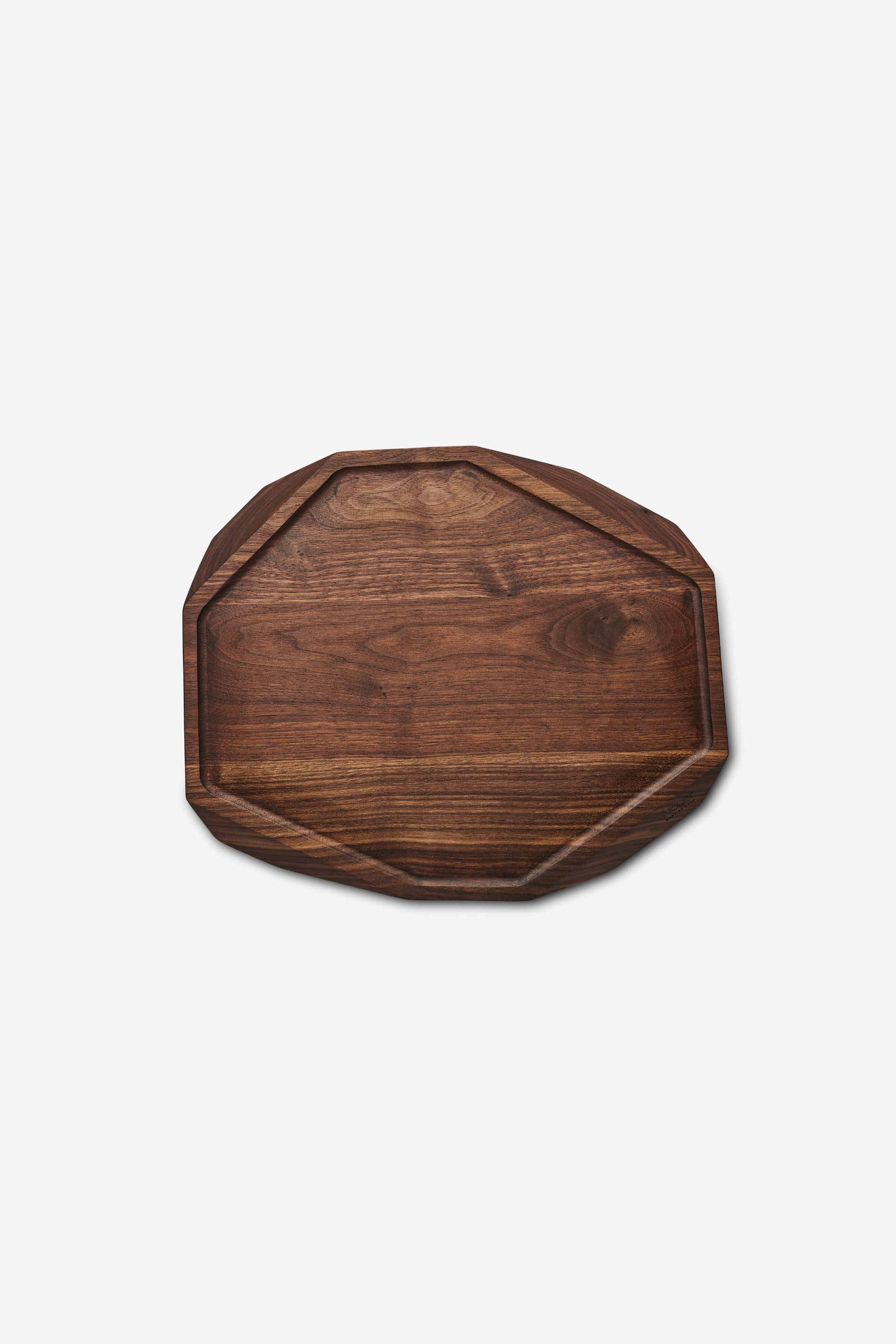
For those who frequently prepare roasts or juicy meats, our Chopping Board with Juice Groove is an indispensable tool. Maintaining the juice groove requires just a little extra attention during the oiling process to ensure the oil reaches the base of the milled channel, keeping it protected against standing liquids.
Hygiene and Natural Disinfection Methods
There is a common myth that wooden cutting boards are less hygienic than plastic ones. In reality, the opposite is often true. Wood contains natural tannins and acids that possess antibacterial properties. To maintain a high standard of hygiene, you can occasionally scald your board with boiling water. A simple method is to place the board in the sink and pour boiling water over it, which effectively kills surface bacteria without the need for harsh chemicals.
If your board has absorbed a stubborn odor from onions or garlic, there is a classic workshop trick: sprinkle coarse salt over the surface and rub it in with half a lemon. The acidity of the lemon and the abrasiveness of the salt work together to deep-clean the fibers and neutralize odors, leaving a fresh, clean scent. Always rinse with water afterward and remember to re-apply oil, as this deep-cleaning treatment can dry out the wood slightly.
A Unique Piece of Craftsmanship for Your Kitchen
At Noyer, we work with the natural, asymmetrical forms of American walnut, meaning no two boards are ever identical. The sharp, multi-faceted edges provide a modern, architectural contrast to the warmth of the timber. By investing time in proper walnut cutting board care, you are not only honoring the material but also the craftsmanship that went into creating the piece. A well-maintained board is a joy to work with every day, and it functions just as beautifully as a serving platter for evening gatherings.
If you have questions regarding the upkeep of your walnut pieces, or if your board requires a more extensive professional restoration, you are always welcome to visit our Showroom or explore our dedicated page for Care and Maintenance. We believe that the joy of cooking is amplified when your tools are in perfect condition and treated with the respect they deserve.