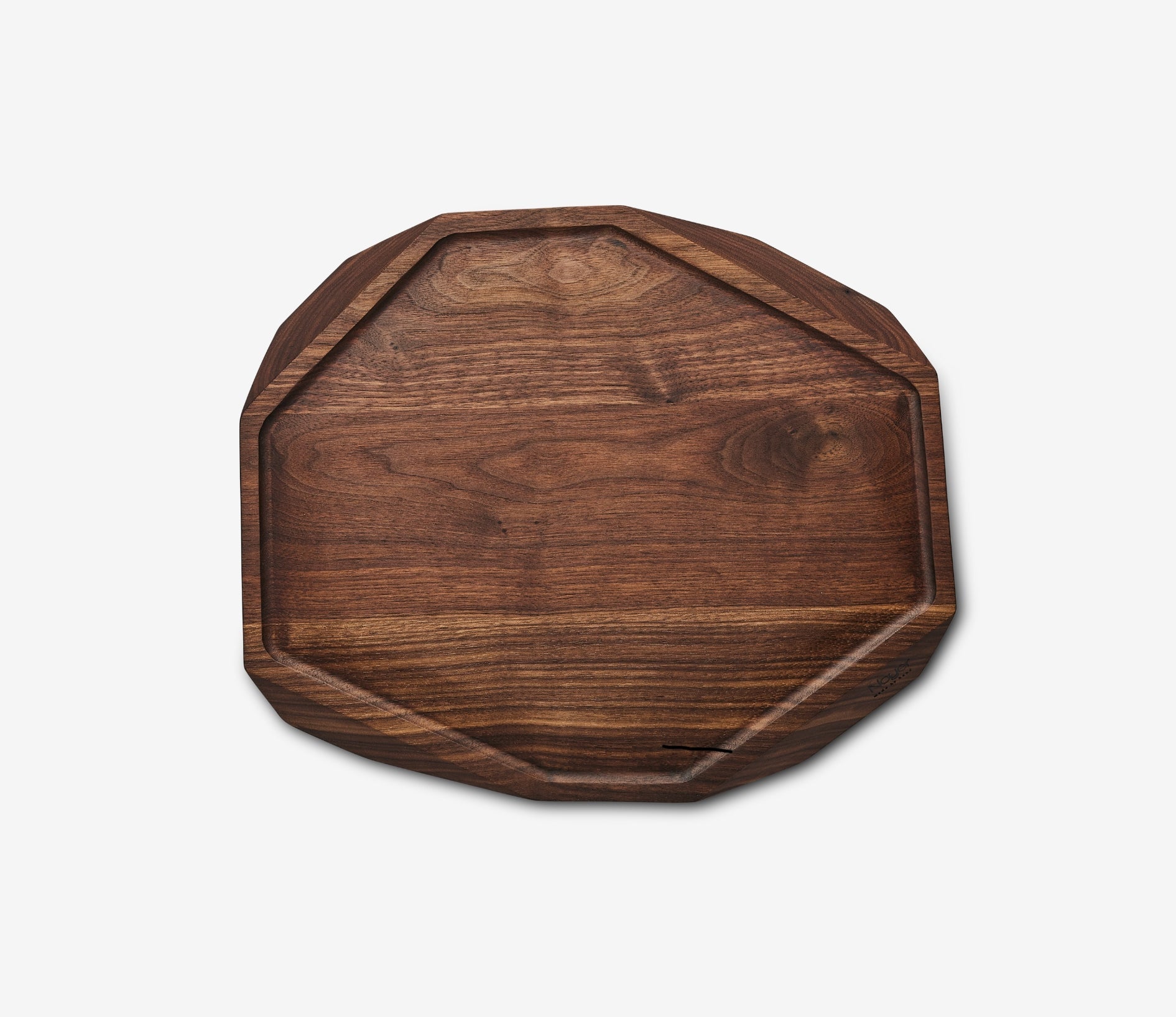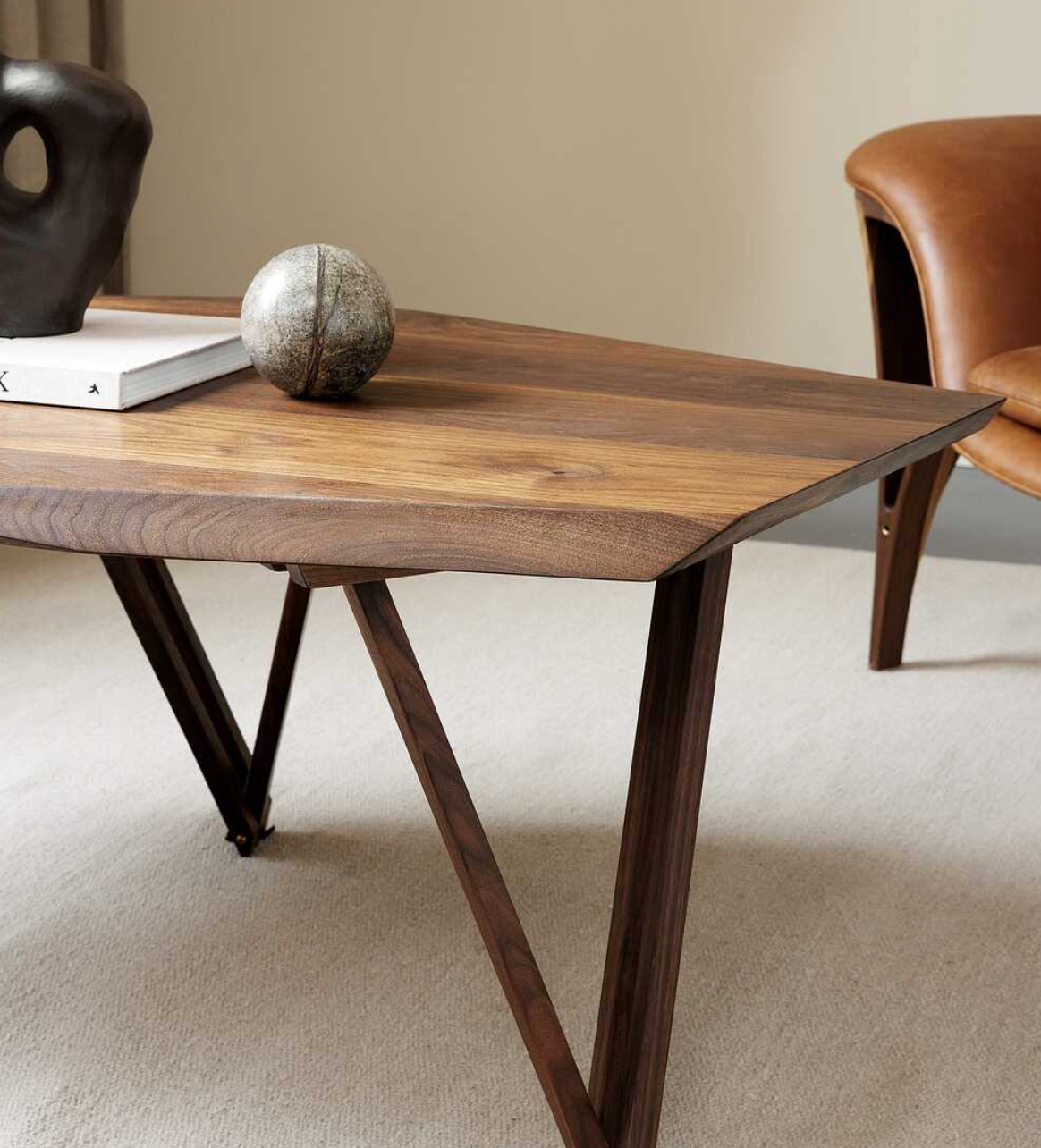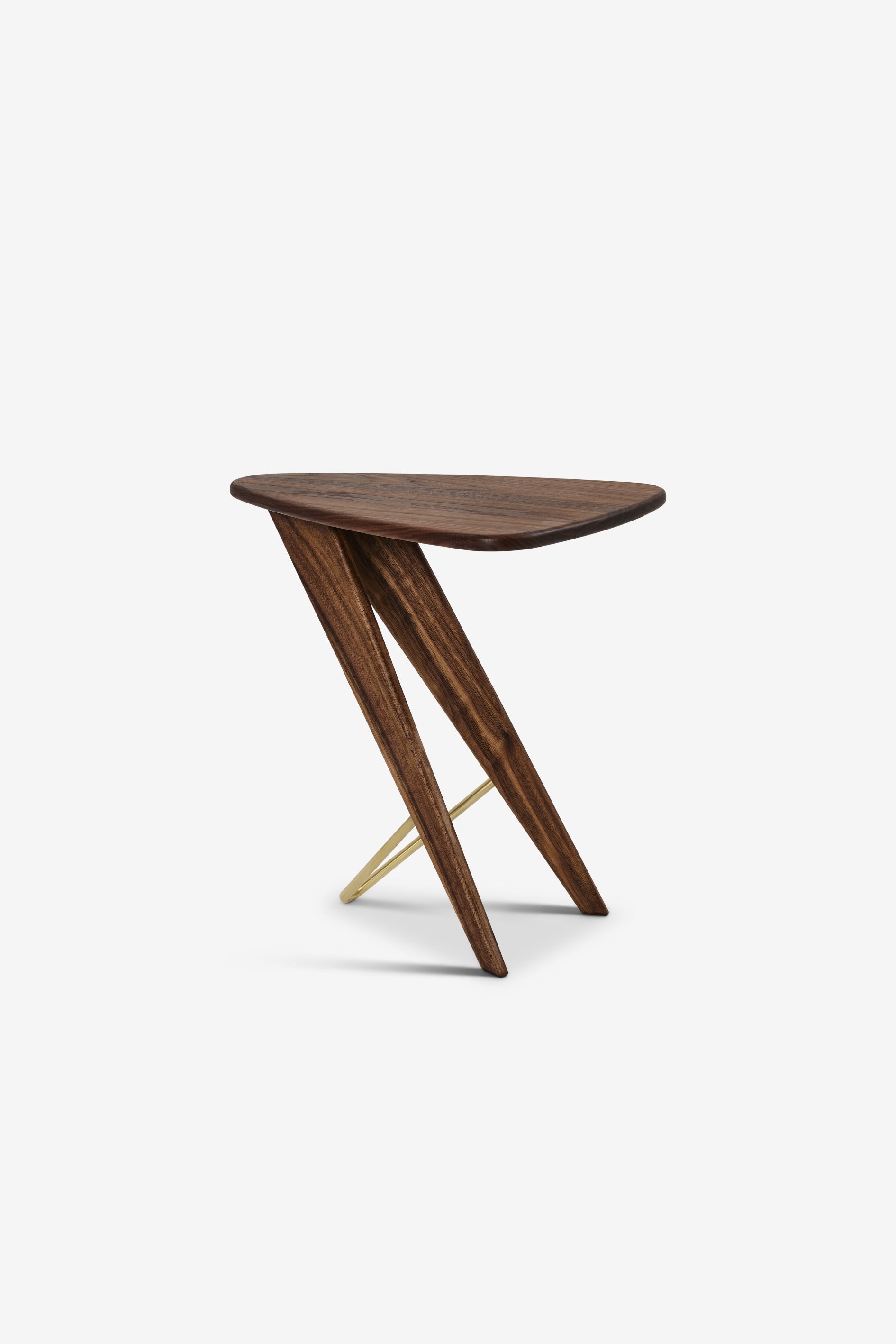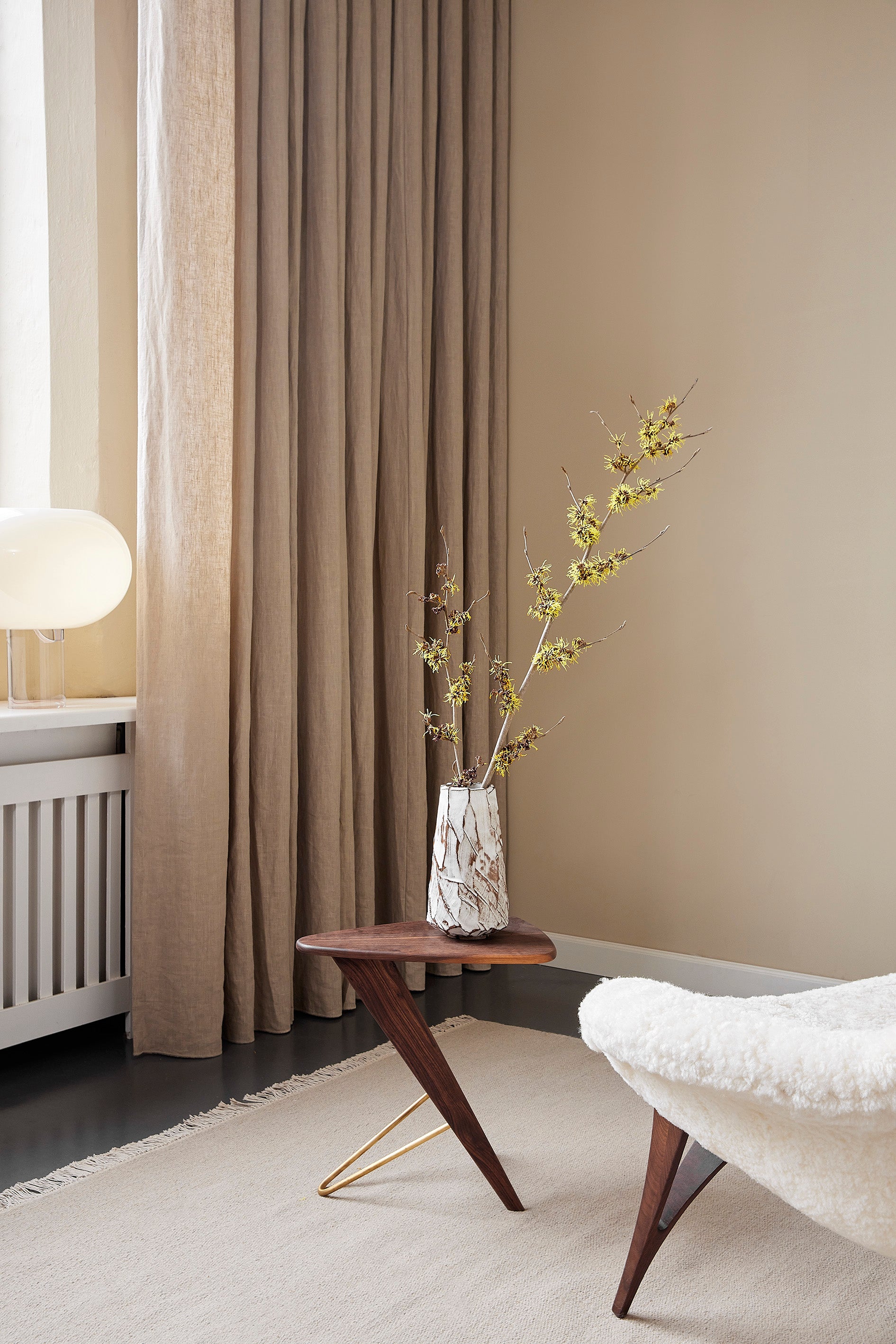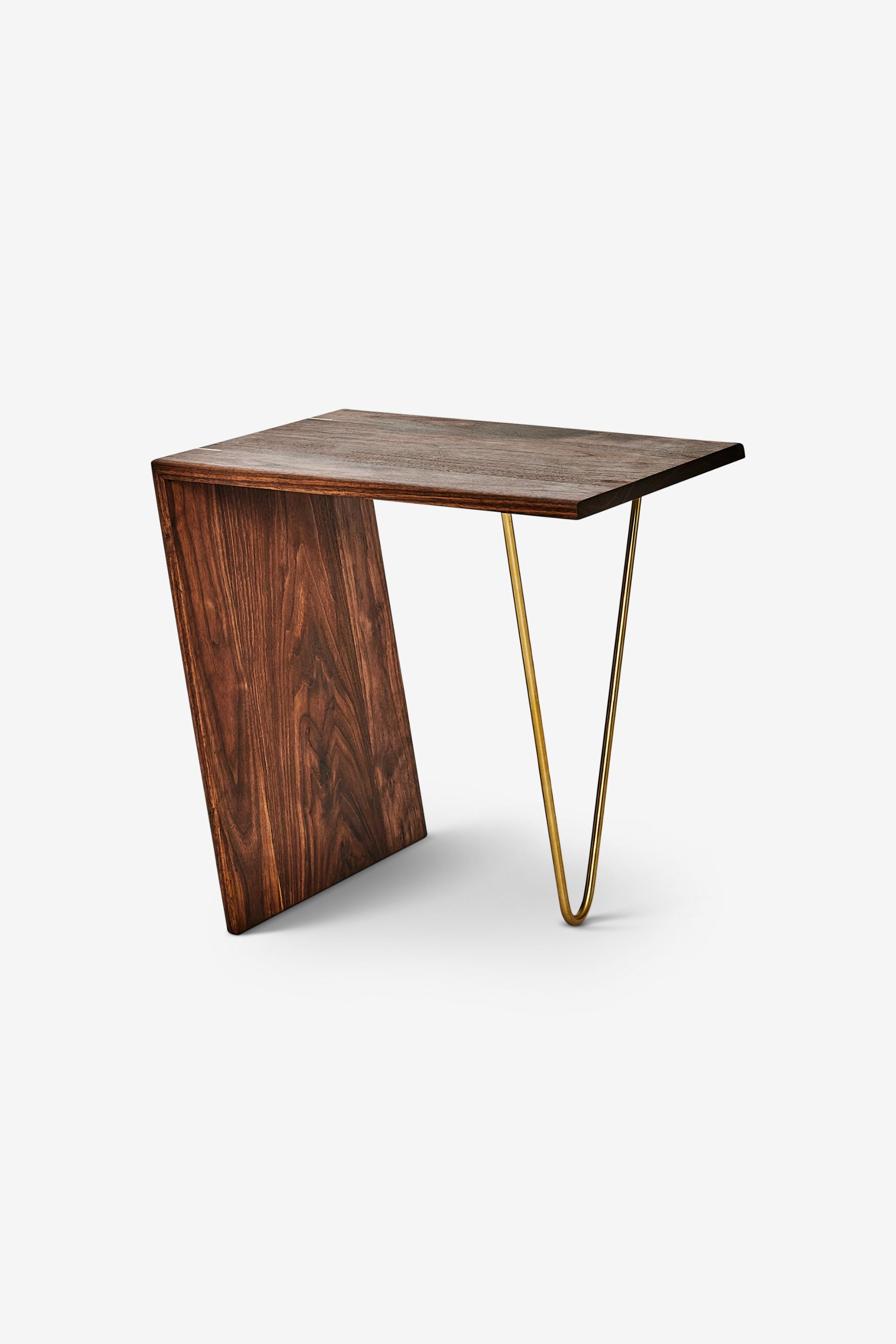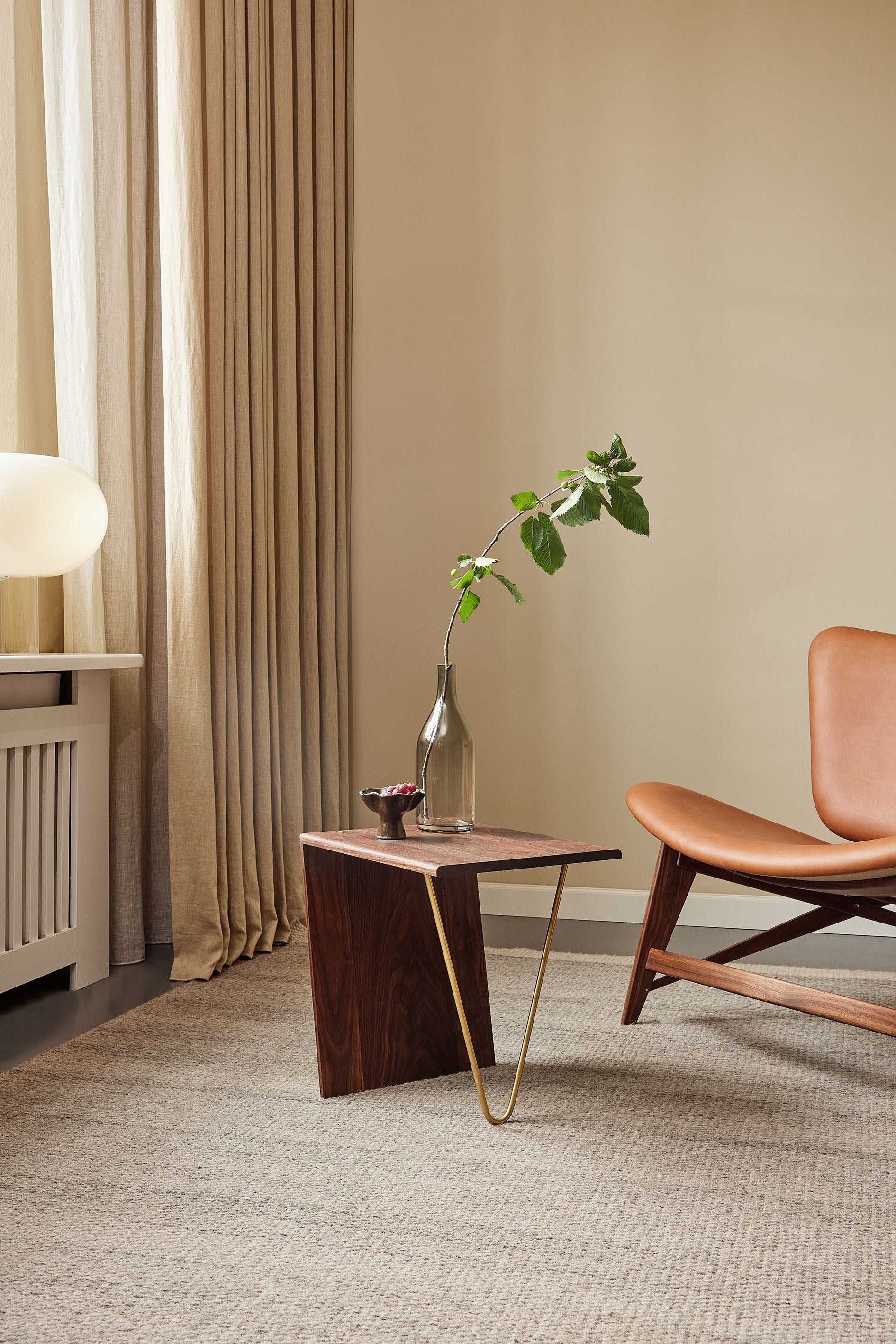
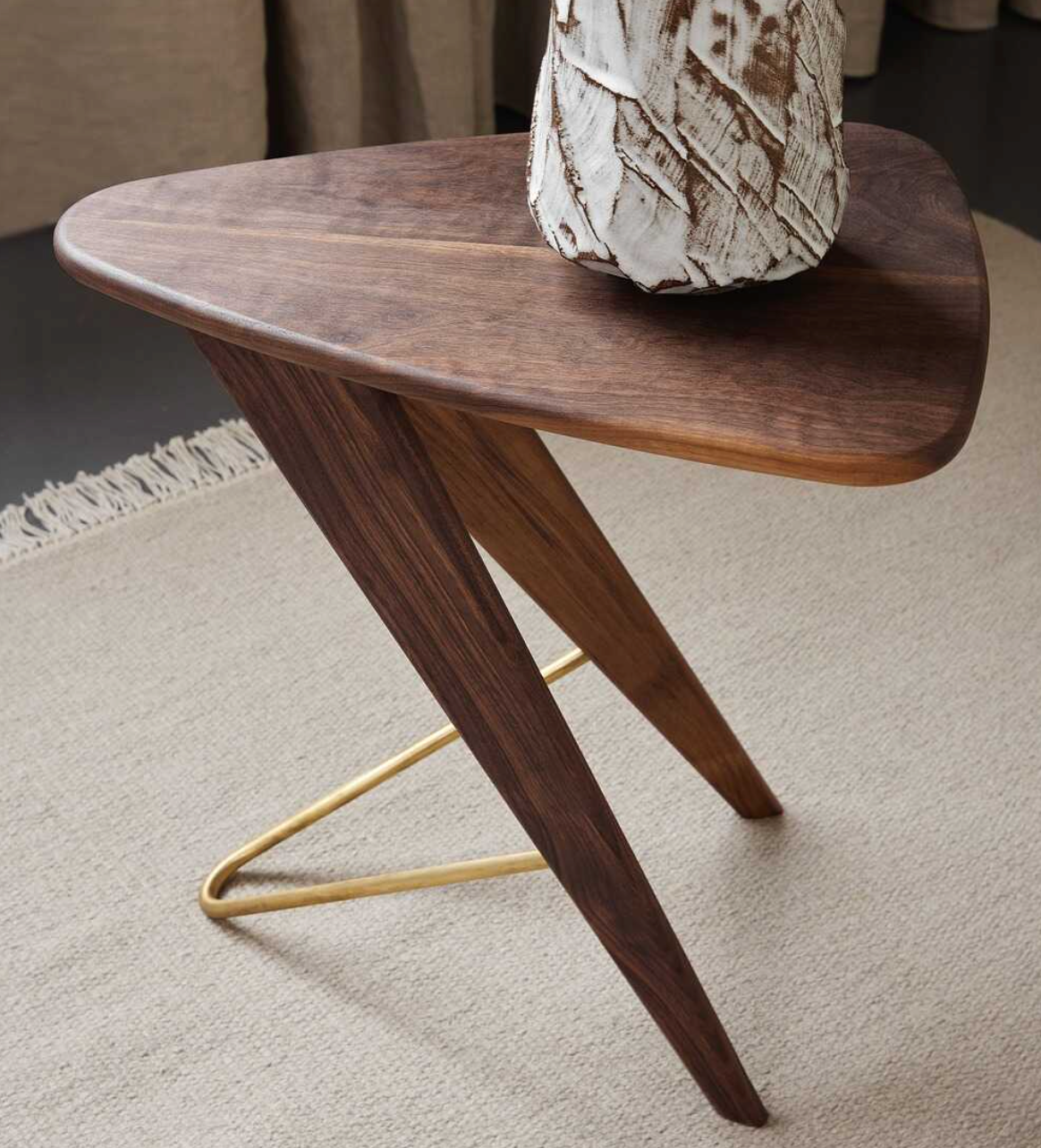
A solid wood side table is more than a functional object; it is a living element within an interior that develops its own unique character over time. At Noyer, our work is rooted in American walnut, a timber species celebrated for its deep, dark lustre and complex grain patterns. To ensure your furniture retains its beauty for decades, a proper Walnut Furniture Care Guide is essential. It is not merely about cleaning: it is about understanding the material and providing the right conditions for it to age gracefully.
When we discuss the maintenance of solid walnut, we distinguish between daily care and periodic deep conditioning. Wood is a hygroscopic material, meaning it breathes and reacts to its environment. By following this guide from our workshop in Valby, you can ensure that your side table remains a beautiful focal point in your home, whether it is the minimalist Side table JN05 or the more sculptural Side table JN20.
Daily Maintenance for Solid Walnut Tables
The foundation of longevity is the daily interaction with the furniture. Dust and dirt may seem harmless, but over time, fine particles can act as a subtle abrasive, dulling the surface finish. We recommend wiping the table regularly with a soft, dry cloth or a high-quality microfiber cloth to maintain the wood's natural clarity.
If a spill occurs, a quick reaction is vital. The timber in our collection of tables is saturated with oil, which provides excellent primary protection, yet it is not an impenetrable barrier. Use a damp cloth wrung out in lukewarm water. It is important that the cloth is only slightly moist, never wet. Always avoid aggressive cleaning agents, dish soaps with degreasing effects, or harsh chemicals, as these break down the protective oil and dehydrate the wood fibers.
Prevention and Protection
While we appreciate the tactile contact of raw wood, prevention remains the most effective form of care. Hot cups or damp glasses can leave permanent marks if placed directly on the surface. By using discreet coasters, you protect the wood not only from heat damage but also from the dreaded white rings that occur when moisture penetrates the oil finish. This simple habit is a cornerstone of any effective walnut furniture care guide.
The Art of Oiling: Restoring the Deep Lustre
Over time, the natural oils within the wood will inevitably evaporate or be worn away through regular use. When the surface begins to feel dry to the touch or appears matte, it is time for a refresh. Nourishing a walnut table with oil is a process that both protects the timber and highlights the deep, ambering nuances of the grain.
Before applying new oil, the table must be completely clean and dry. We recommend a cold-pressed linseed or walnut oil that is compatible with the finish we apply at the workshop. Apply the oil in an even layer using a lint-free cloth, always following the direction of the wood grain. Allow the wood to absorb the oil for 15 to 20 minutes. If certain areas absorb the oil faster than others, it is a sign that the wood is thirsty, and you should apply a little extra to those spots.
Achieving Perfect Saturation
The goal is to achieve complete saturation of the wood. After the waiting period, any excess oil must be wiped away thoroughly with a clean, dry cotton cloth. It is crucial that the surface feels entirely dry after wiping; otherwise, the excess oil may harden and leave a sticky residue. Allow the table to rest for 24 hours before returning it to use, giving the oil sufficient time to cure deep within the fibers. For more specific advice on the products we recommend, you can visit our page on Care and Maintenance.
Understanding the Living Material: Environmental Factors
Wood is a natural product that never truly stops moving. We often say that the wood is "working." This means it expands and contracts in response to the humidity and temperature of the room. This is particularly relevant for complex constructions like the Side table JN12, where solid walnut meets solid brass.
To minimize the risk of cracks or warping, avoid placing your wooden side table directly against a heat source, such as a radiator or a fireplace. Extreme heat dries out the wood faster than the oil can protect it. Similarly, direct, harsh sunlight should be limited, as UV rays will eventually bleach the dark pigments of the walnut. While a natural patina is inevitable and often beautiful, uneven exposure can create significant color differences across the tabletop.
Addressing Imperfections: Repairs and Stain Removal
Even with the most diligent walnut furniture care guide, accidents can happen. If you encounter white rings caused by moisture, they can often be removed by applying a fresh layer of oil and massaging it gently into the affected area. If the surface has become scratched or feels rough, a light sanding may be necessary.
Use a very fine sandpaper (grit 180 or 240) and always sand in the direction of the grain. Be aware that when wood comes into contact with moisture after sanding, the fibers may rise, making the surface feel slightly fuzzy. This is easily corrected by saturating the wood with oil immediately after the sanding process. If you are in doubt about the process, you are always welcome to contact us or visit our showroom for professional advice.
A Lifetime Investment: The Beauty of Patina
Maintaining your side table should not be viewed as a chore, but rather as a ritual that extends the life and beauty of the piece. There is a particular satisfaction in seeing the walnut wood wake up after a fresh oiling, where the dark contrasts and golden tones emerge with renewed clarity. By giving your table the proper attention, you ensure it is not just a piece of furniture for the present, but an investment that can be passed down through generations. For further technical details regarding our table constructions, you may explore our FAQ about our tables.