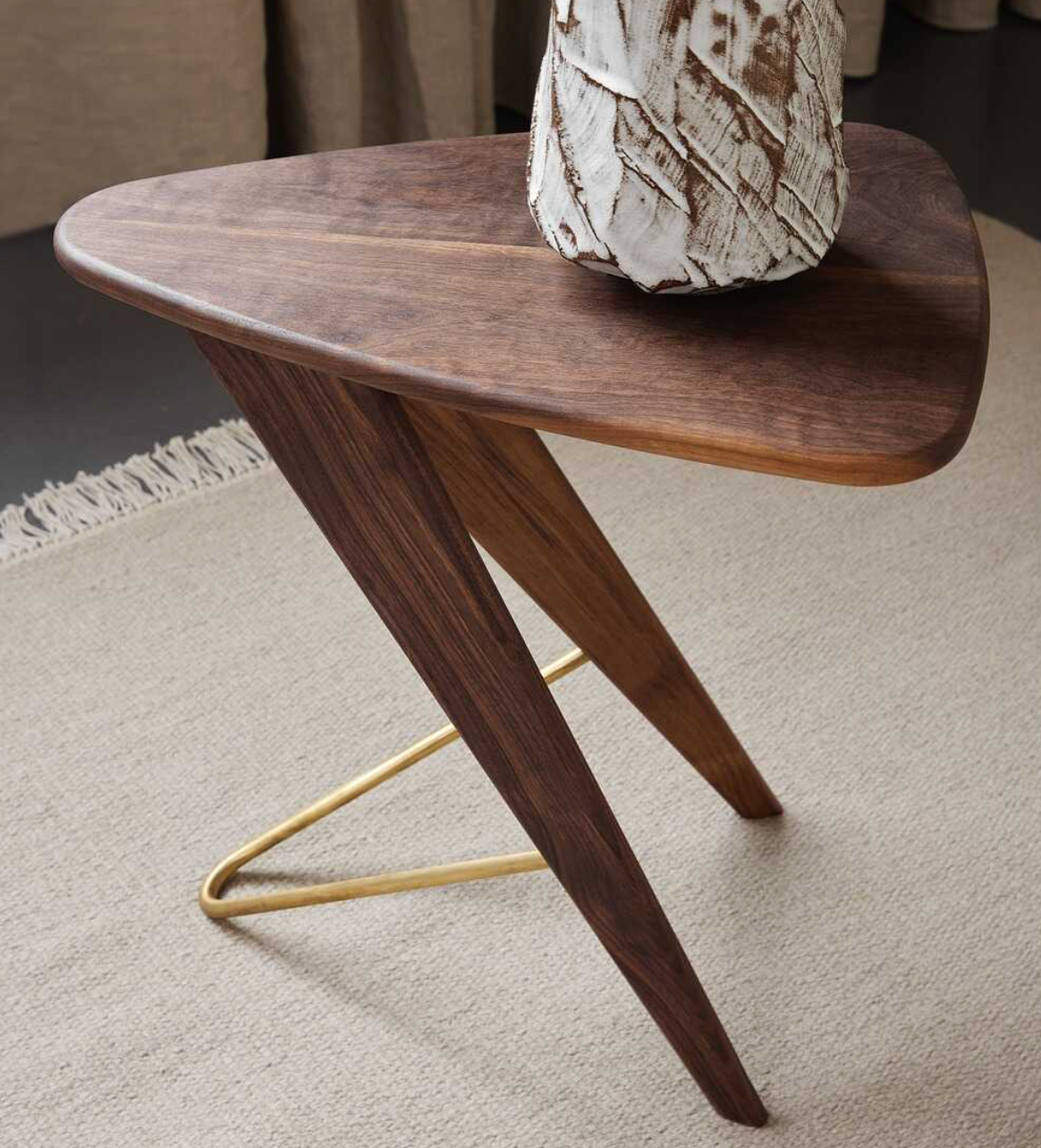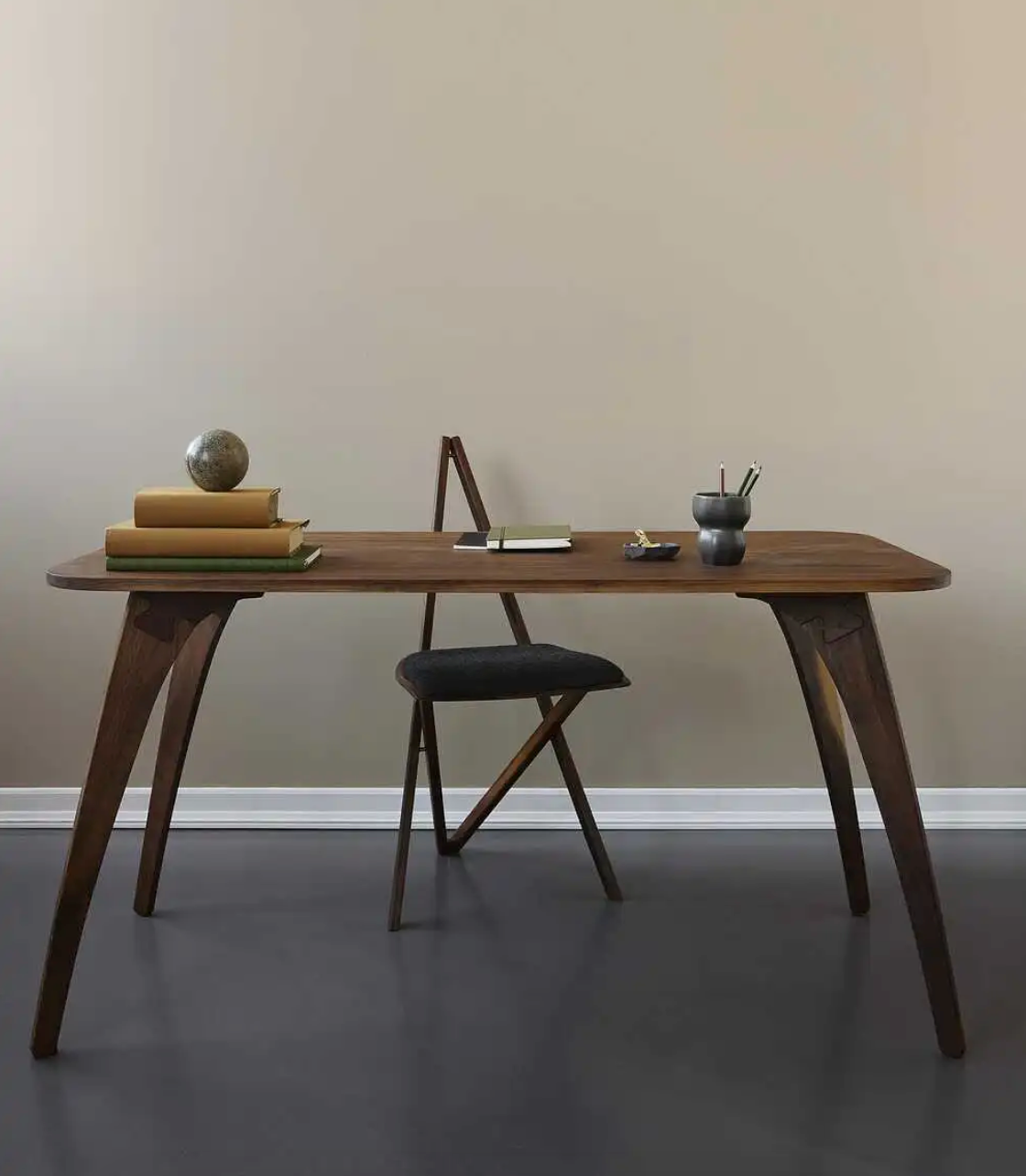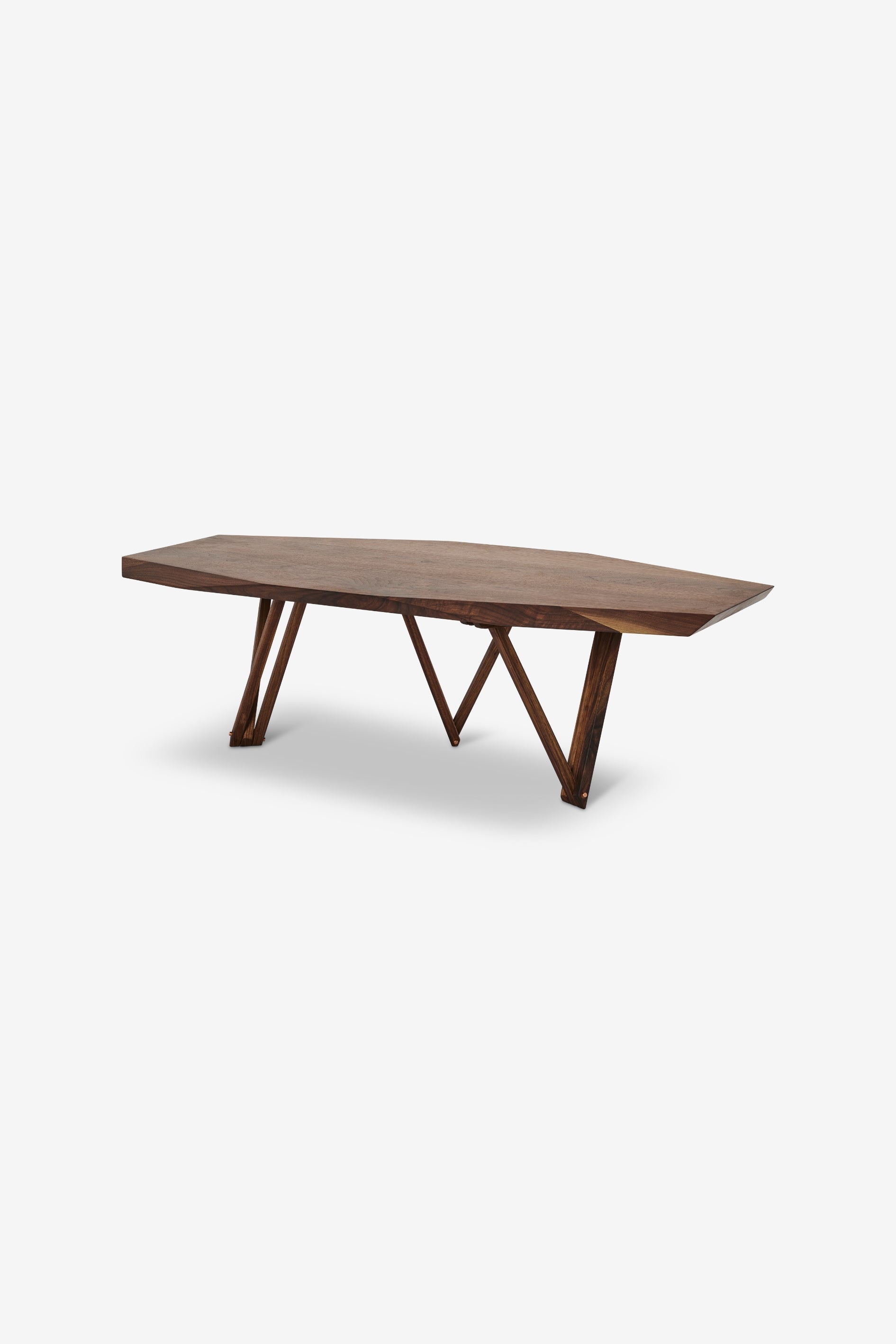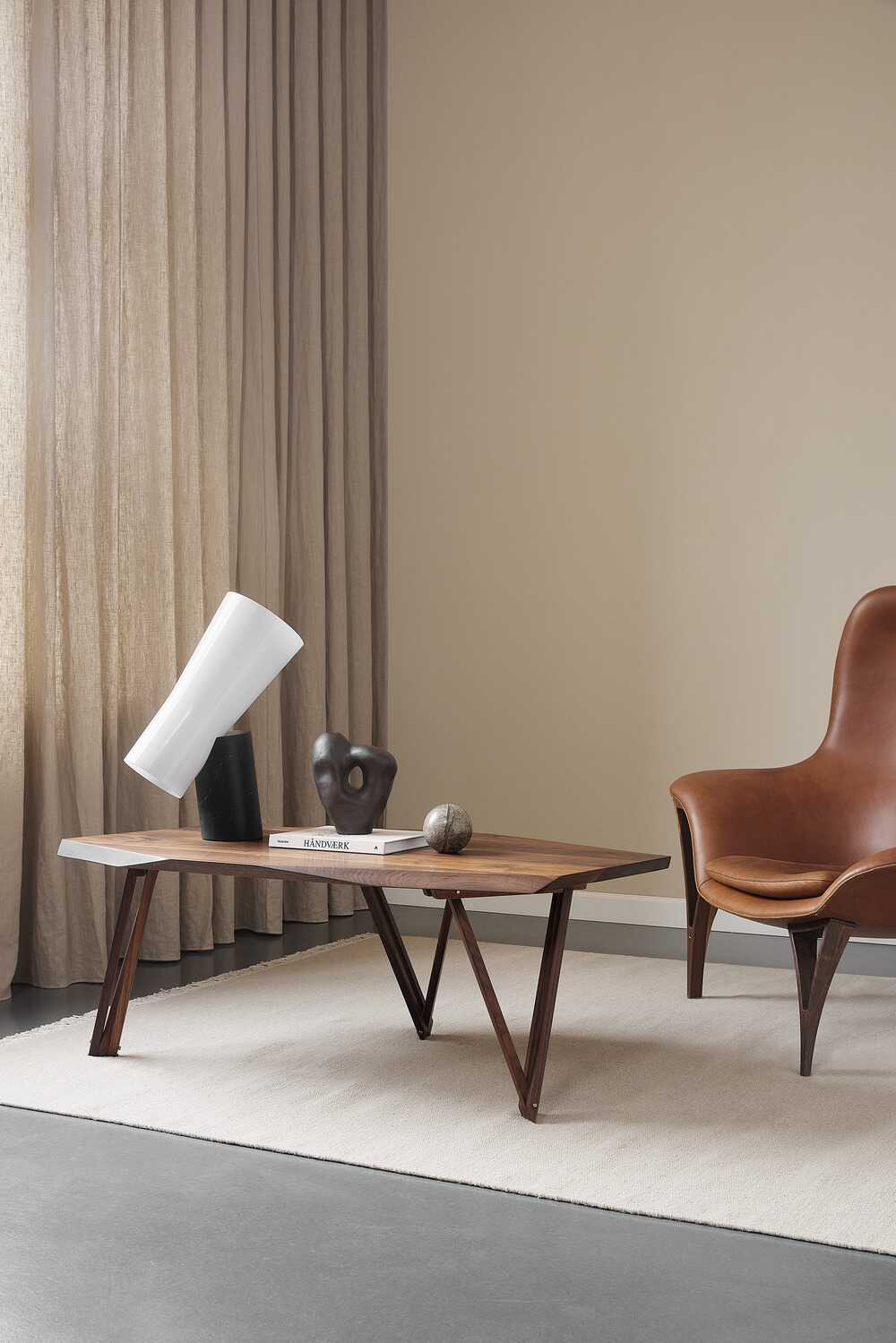
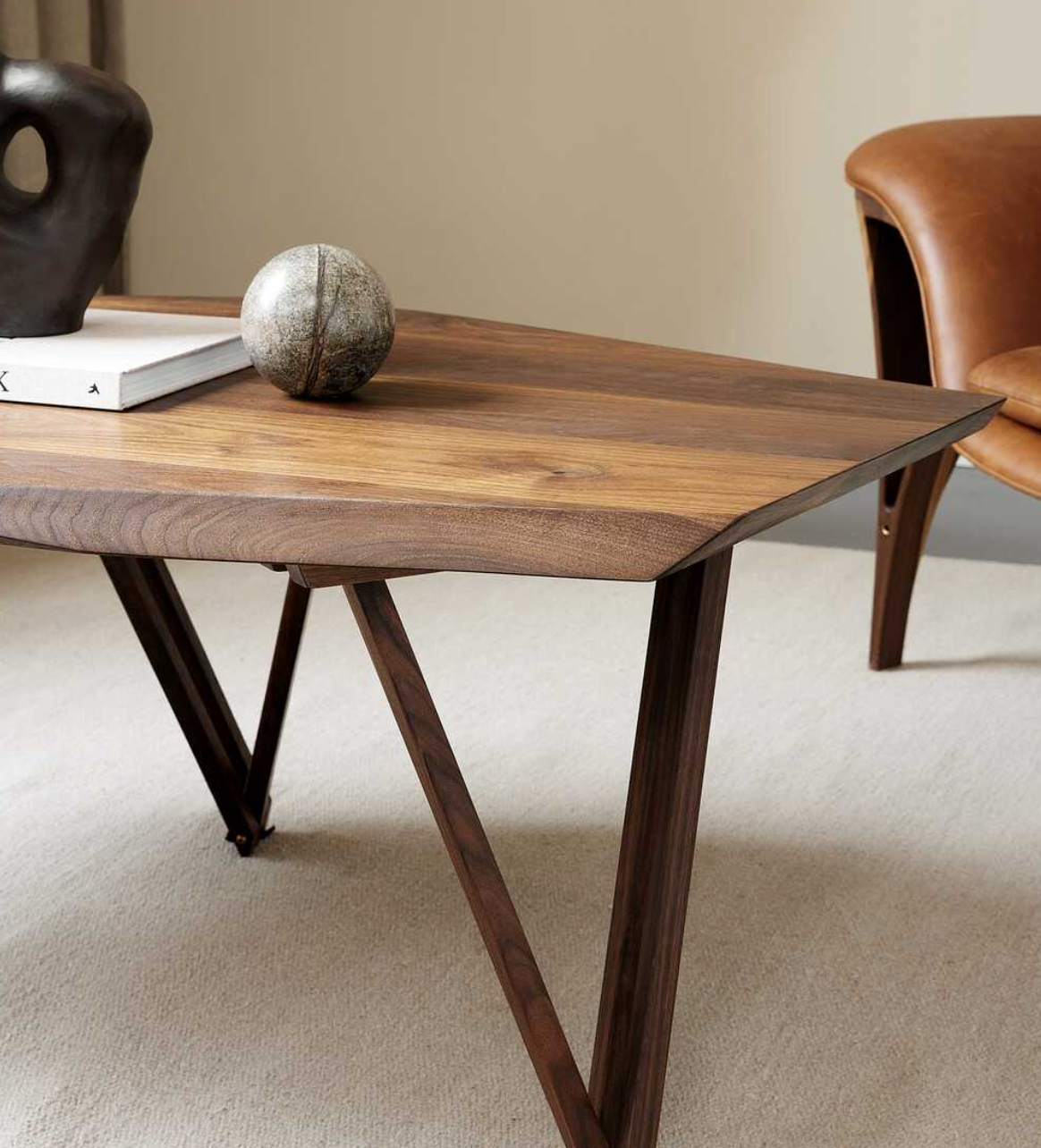
A coffee table is rarely just a piece of furniture. It is the informal heart of the home, the place where morning coffee is savored, where books are stacked, and where feet find rest after a long day. When you choose a piece in solid American Black Walnut from Noyer, you are investing in more than just a surface; you are investing in a living piece of nature, shaped to endure for generations. However, to ensure the wood retains its depth, its warmth, and its tactile appeal, one must understand the material. This Walnut Coffee Table Care & Maintenance Guide is not about arduous routines, but about timely care and respect for the craftsmanship that defines our workshop.
Walnut is naturally a robust and dense hardwood, making it ideal for the rigors of daily life. At Noyer, we treat every table with cold-pressed linseed oil directly at our workshop in Valby. This treatment penetrates deep into the pores of the wood, accentuating the unique grain patterns while creating a resilient barrier. While our furniture is designed to be used, the right preservation ensures it develops a rich patina rather than simply showing signs of wear. Understanding how the wood breathes and reacts to its environment is the first step in a lifelong relationship with your furniture.
Daily Upkeep for Your Walnut Table
In everyday life, the most effective form of care for a walnut table is also the simplest. Because the surface is saturated with oil, it is naturally resistant to liquids and dirt. For daily cleaning, we recommend a soft, lint-free cloth wrung out hard in clean, lukewarm water. It is essential to avoid dish soap or other chemical cleaners, as these can degrease the wood and gradually break down the protective oil finish that we have carefully applied.
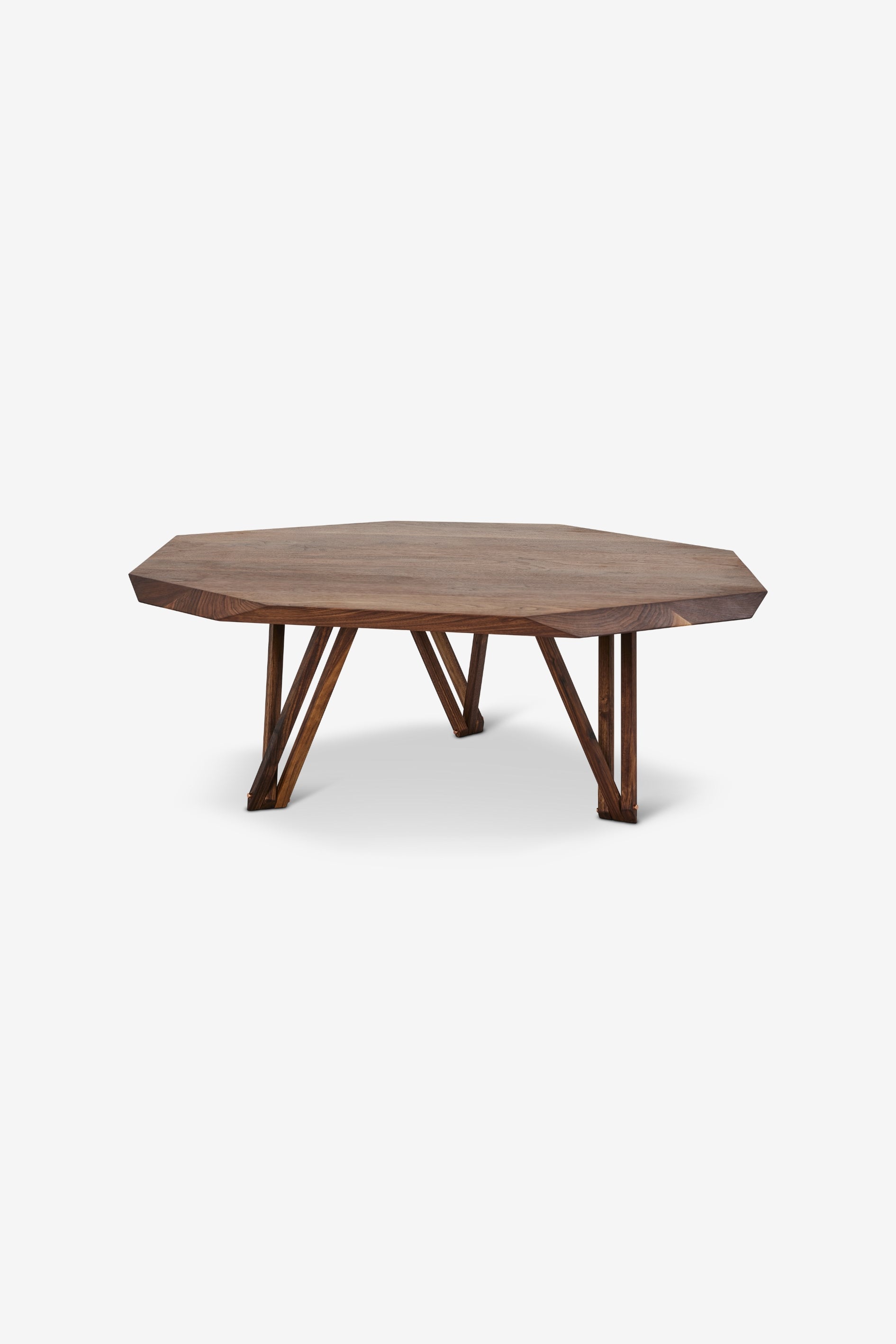
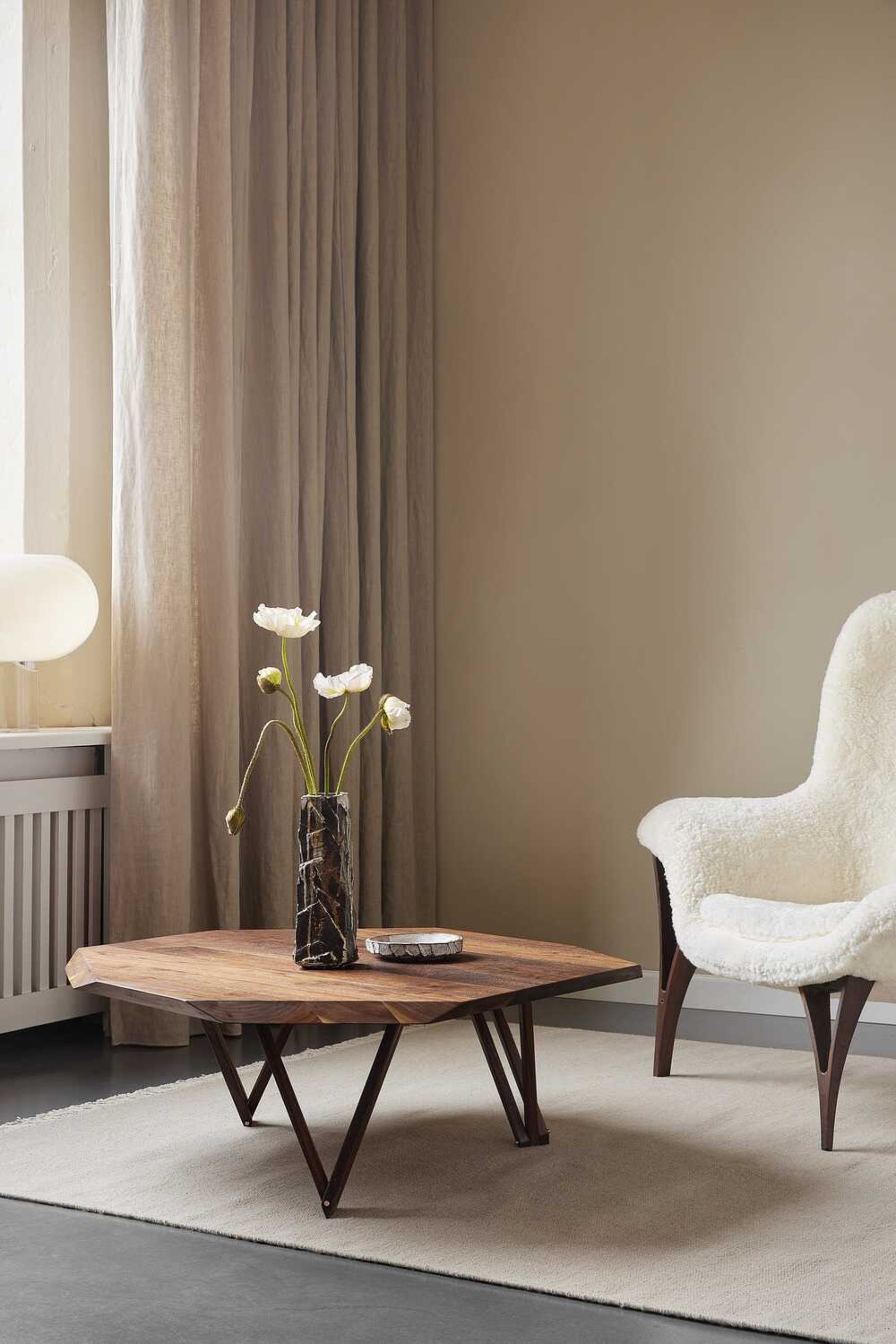
Should a spill of a more stubborn nature occur, such as red wine or coffee, it is crucial to wipe it up immediately. Although the oil provides protection, wood is a hygroscopic material that can eventually absorb liquid if left standing. By keeping the surface dry and clean, you ensure that the striking grain patterns in your Coffee table JN02 in walnut wood remain clear and vibrant. If you notice the surface beginning to feel dry or looking matte, it is a sign that the wood is thirsty for nourishment.
Avoid Common Pitfalls
Many owners make the mistake of using low-quality microfiber cloths, which can have a slightly abrasive effect on the fine oil finish. We always recommend a soft cotton cloth instead. Furthermore, always use coasters under hot cups or pots. While walnut is heat-resistant to a degree, extreme heat can cause white marks in the oil or, in the worst-case scenario, cause the wood to warp. By integrating these small habits into your daily routine, you extend the life of the table significantly without much effort. It is about working with the wood, not against it.
Conditioning and Oiling: Restoring the Deep Glow
One of the greatest advantages of solid wood furniture is the ability to refresh it. Where veneered tables or laminate surfaces have a finite lifespan, a table from Noyer can always be brought back to its original glory. Conditioning your table with oil is a ritual process that not only protects but also restores the deep, dark glow that American Black Walnut is so famous for.
We recommend oiling your table once or twice a year, or whenever the wood begins to look parched. The process is straightforward and rewarding:
- Clean the table thoroughly with a damp cloth and allow it to dry completely.
- Apply a generous amount of cold-pressed linseed oil using a lint-free cloth or a sponge.
- Allow the oil to penetrate for approximately 15 to 20 minutes. Observe if certain areas absorb more than others, and apply more oil there to saturate the wood completely.
- Wipe off any excess oil thoroughly with a dry, clean cloth. It is vital that no wet pools of oil are left behind, as these can harden and become sticky.
When working with oil, it is essential to remember that oil-soaked cloths can spontaneously combust. Therefore, always place them in an airtight container or saturate them with water before disposal. You can find more details on the specific products we recommend on our Care and Maintenance page.
Addressing Stains, Scratches, and Water Rings
Even with the best intentions, accidents happen. A damp coffee cup left too long can leave a white water ring. This is usually caused by moisture becoming trapped in the top layer of the oil. In most cases, this can be remedied simply by applying a new layer of oil, which re-dissolves the existing finish and allows the moisture to escape. If the ring is more stubborn, a very light sanding may be necessary.
Use a fine sandpaper (grit 180 or 240) and always sand in the direction of the wood grain. This is where solid wood truly proves its value. By removing a microscopic portion of the surface, you expose fresh wood, which can then be saturated with oil again. This process allows you to remove both stains and small scratches from daily use. It is this repairability that makes a Coffee table JN02 'round' in walnut wood a piece of furniture that can be passed down through generations.
Sanding as Restoration
If your table has accumulated many small nicks and scratches over the years, you may choose to give the entire tabletop a light sanding. This does not require a professional cabinetmaker, only patience and the right materials. When you sand the entire surface evenly and subsequently oil it, the table will appear as new. This is one of the most beautiful qualities of walnut wood: it never truly dies; it simply waits to be brought back to life.
The Evolution of Patina and Light Exposure
Many fear that sunlight will ruin their wood furniture. At Noyer, we see it differently. American Black Walnut is photo-reactive, meaning it reacts to UV rays by becoming slightly lighter and more golden in tone over time. This is not a defect, but a natural maturation process that we call patina. A well-maintained table that has lived in a bright room gains a character and a history that a new piece cannot match.
To ensure even patination, it is a good idea to move objects that sit permanently on the table, such as vases or trays, during the first few months. This prevents the formation of dark shadows where the sun has not been able to reach the wood. Our collection of tables is designed to complement the modern, bright Scandinavian home, where natural light plays a central role in the interior design.
A Piece Built for Life
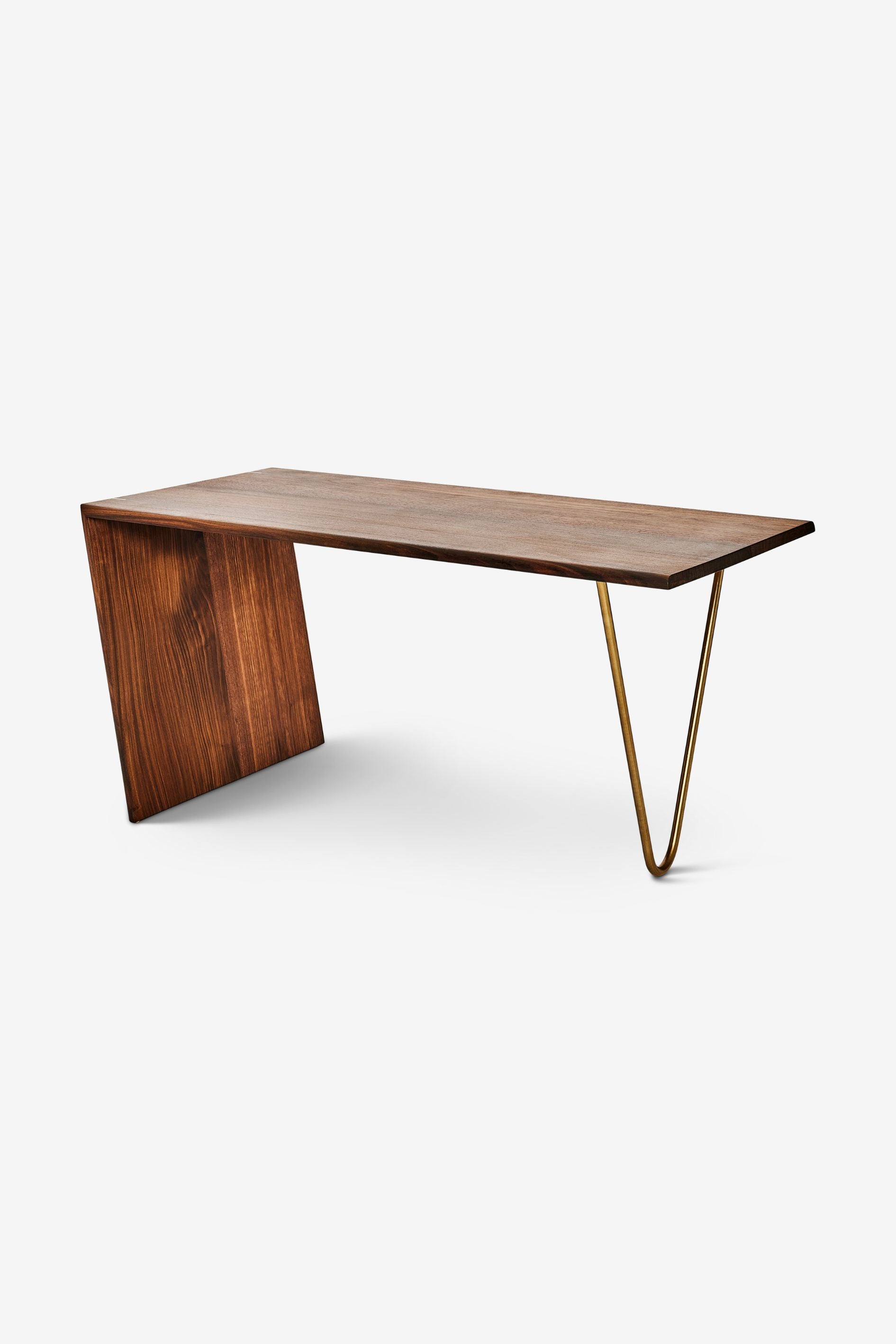
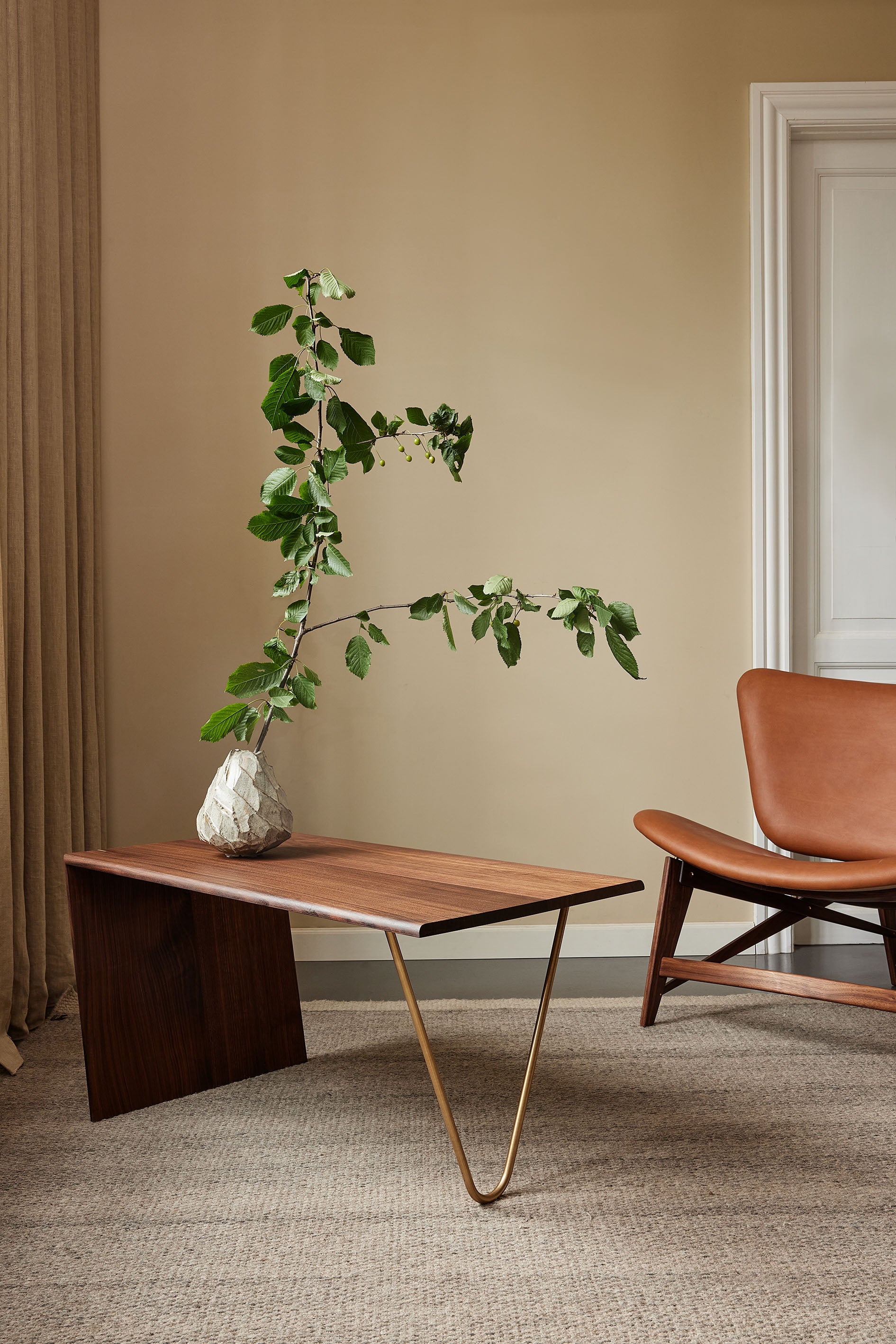
Proper care and maintenance of a wood coffee table is ultimately about appreciating the materials we surround ourselves with. A table from Noyer is not a disposable object, but a functional work of art. Whether you own the compact and elegant Coffee table JN21 or one of our larger models, the principles remain the same: allow the wood to breathe, nourish it with oil, and do not be afraid to use it.
If you have questions about caring for specific details or are unsure about a particular stain, you are always welcome to visit our Showroom or contact us directly. We built the table, and we know exactly what it takes to keep it beautiful. By following these simple steps, you ensure that your coffee table remains a source of joy and tactile pleasure for many decades to come.