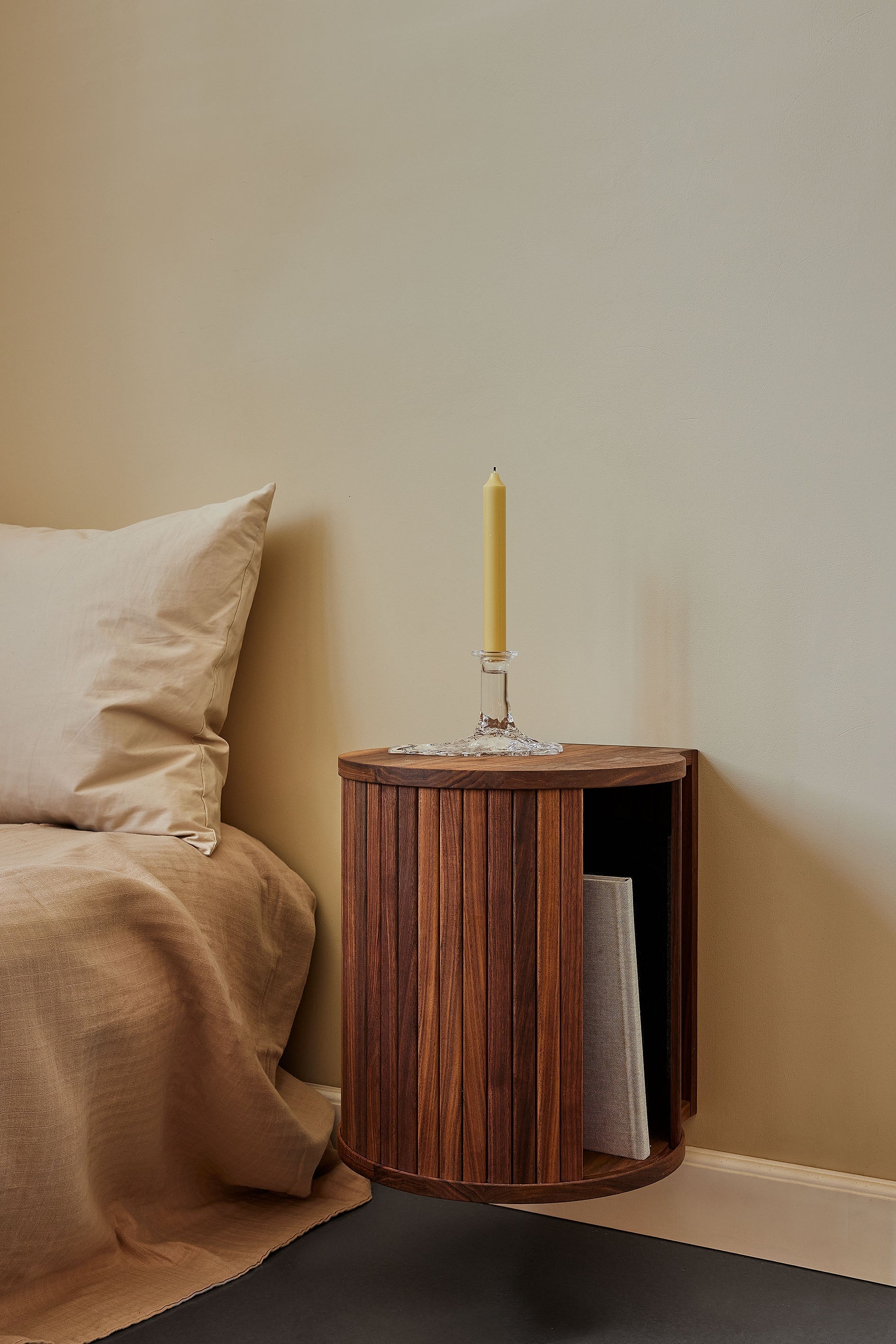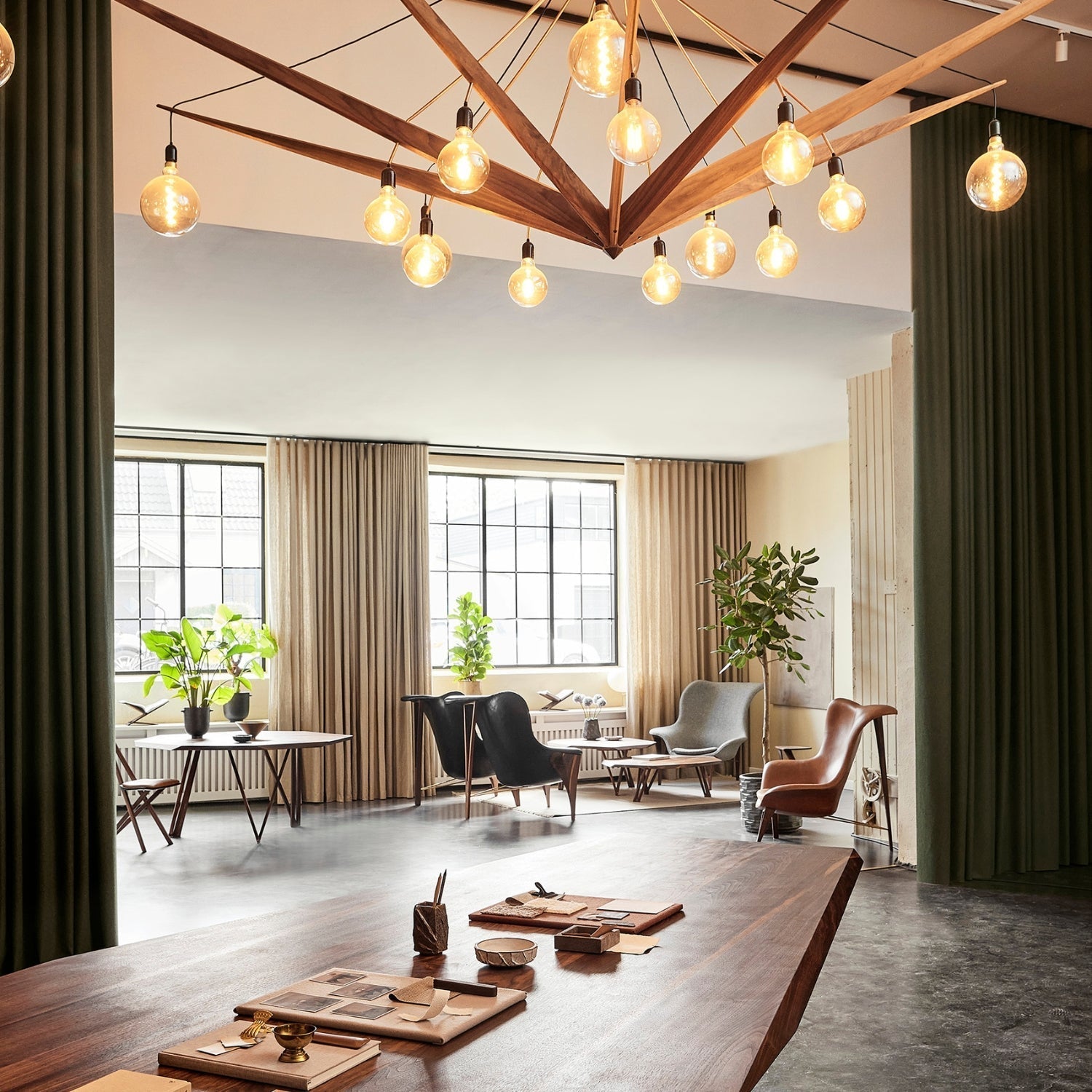
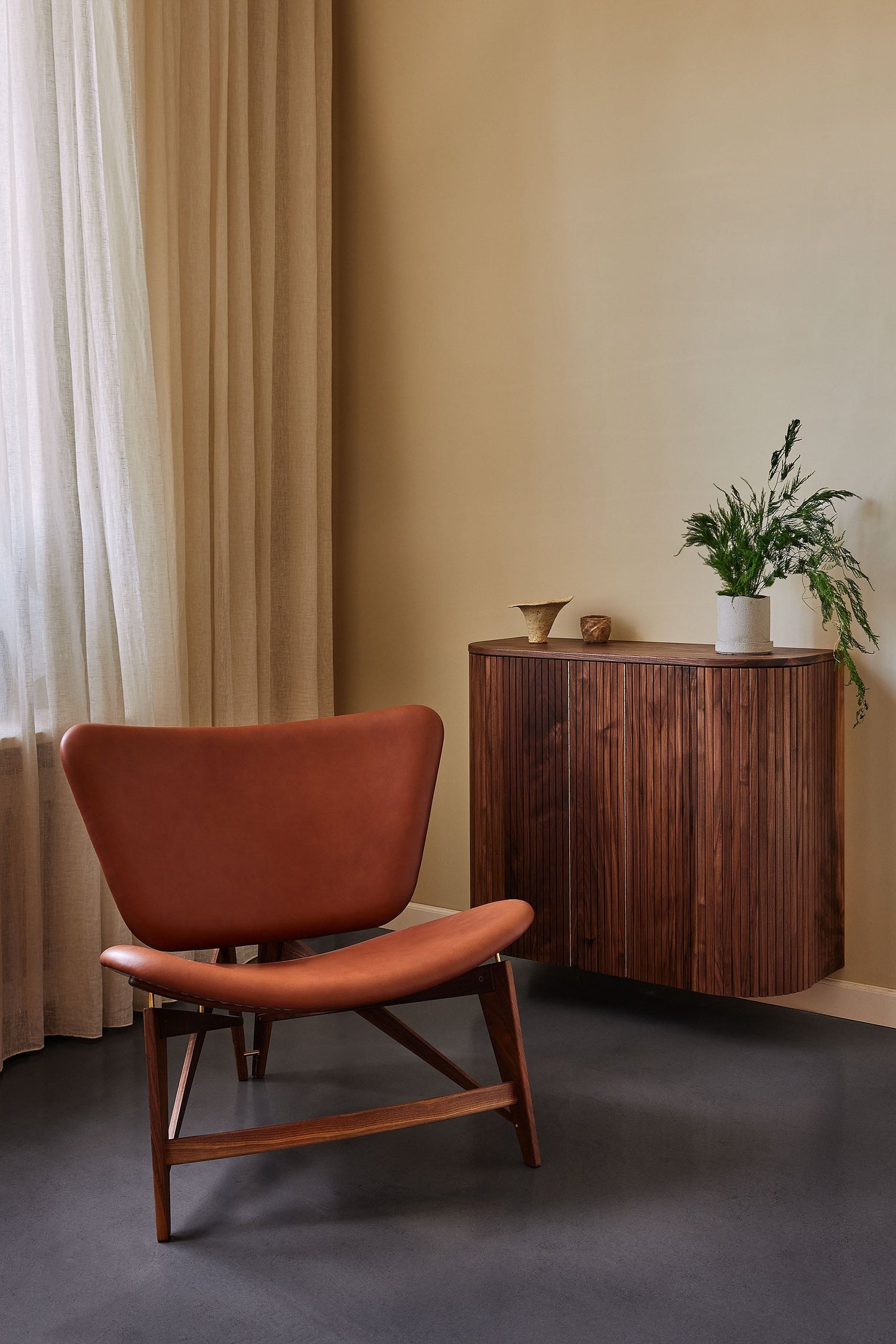
In Scandinavian interiors, pale timbers such as oak, beech, and ash have long set the tone. While these light woods create quiet rooms, they can also leave a space without a clear visual anchor. Dark timber shifts that balance immediately. American walnut introduces deep brown tones alongside pronounced grain patterns, offering a deliberate contrast against pale walls and minimalist surfaces.
At Noyer, American walnut forms the foundation of every design. Cabinetmaker Janus Larsen founded the workshop in 2013, and today he directs the studio alongside Nikolaj Hviid and Pelle Larsen. The name Noyer comes from the French word for walnut, and all development and fabrication take place under one roof at the workshop in Valby, Copenhagen. Here, classic Danish cabinetmaking translates into objects that combine sharp angles with soft lines. You can learn more about the workshop's history on the about us page.
Opposing 45-degree bevels and timber grain
The defining feature of Noyer’s design language is the use of opposing 45-degree angles. These faceted bevels break the light across table edges and profiles, revealing cross-sections and grain patterns from multiple viewpoints.
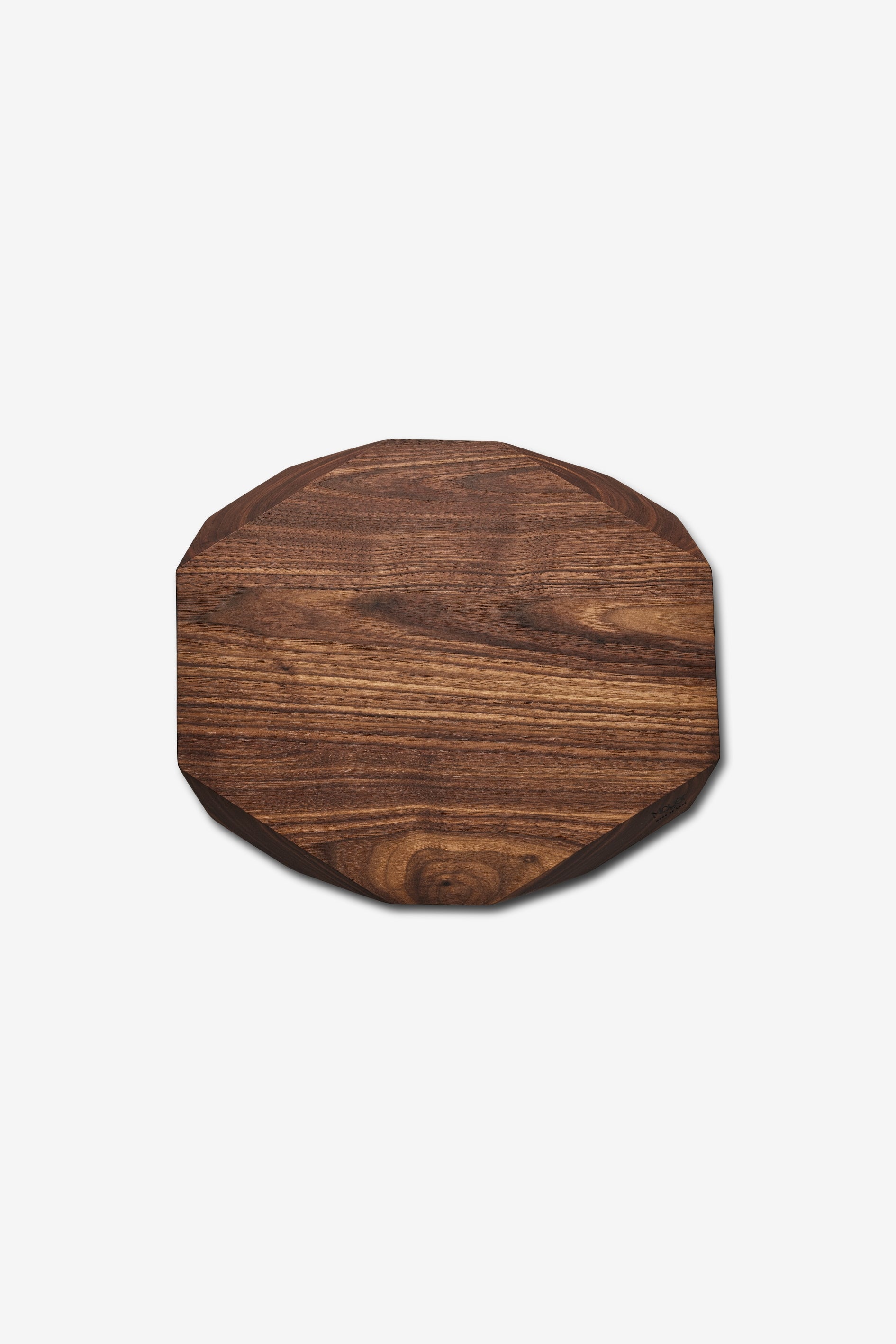
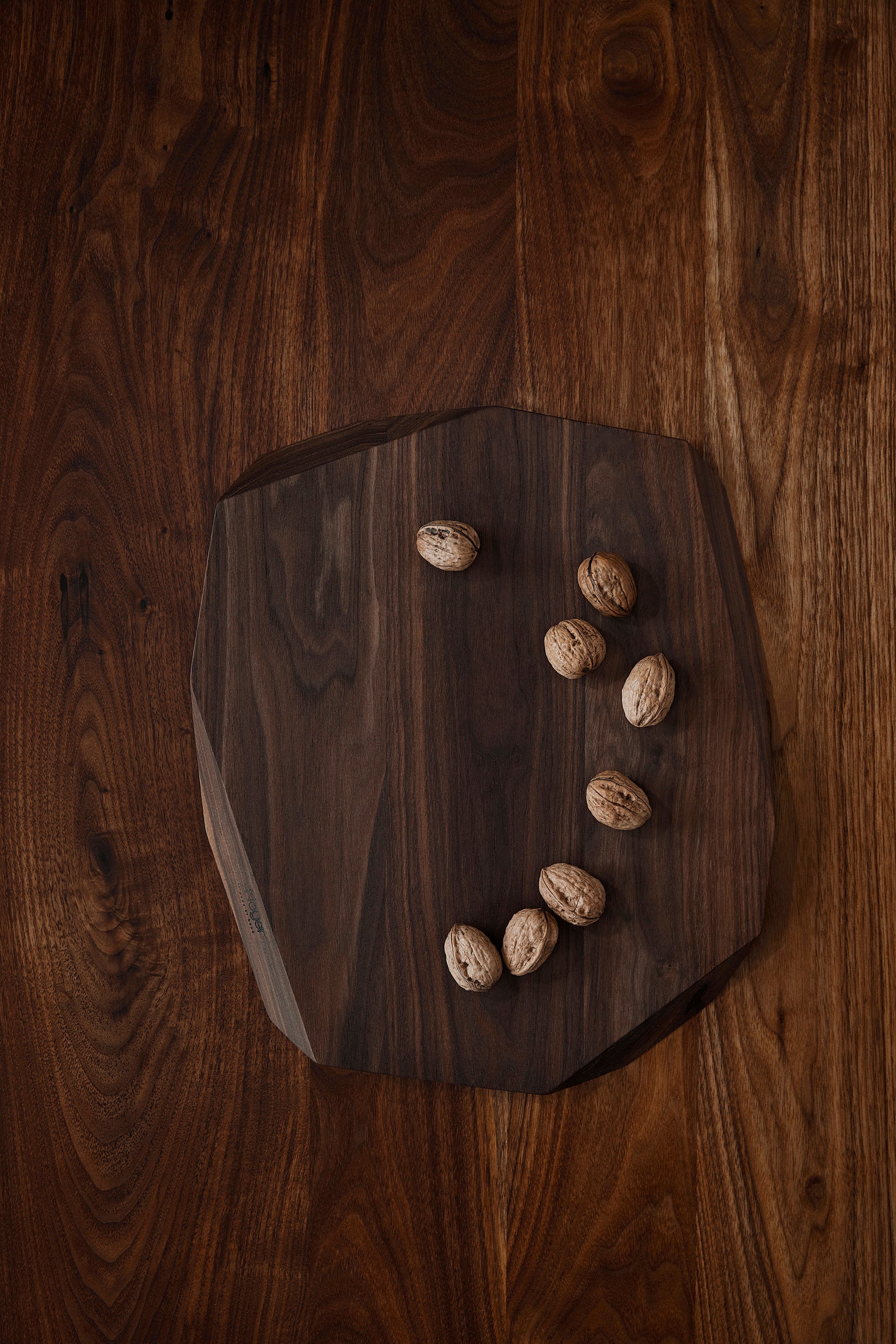
The studio’s first production piece was the octagonal Chopping Board made from solid walnut. Rather than forcing boards into rigid standardized rectangles, each chopping board is shaped around the grain and structure of the individual piece of wood. The sharp edges create a deliberate counterpoint to the wood's gentle expression, and the asymmetrical, eight-sided form serves for food preparation as well as serving at the table.
Balancing proportions and joinery at the dining table
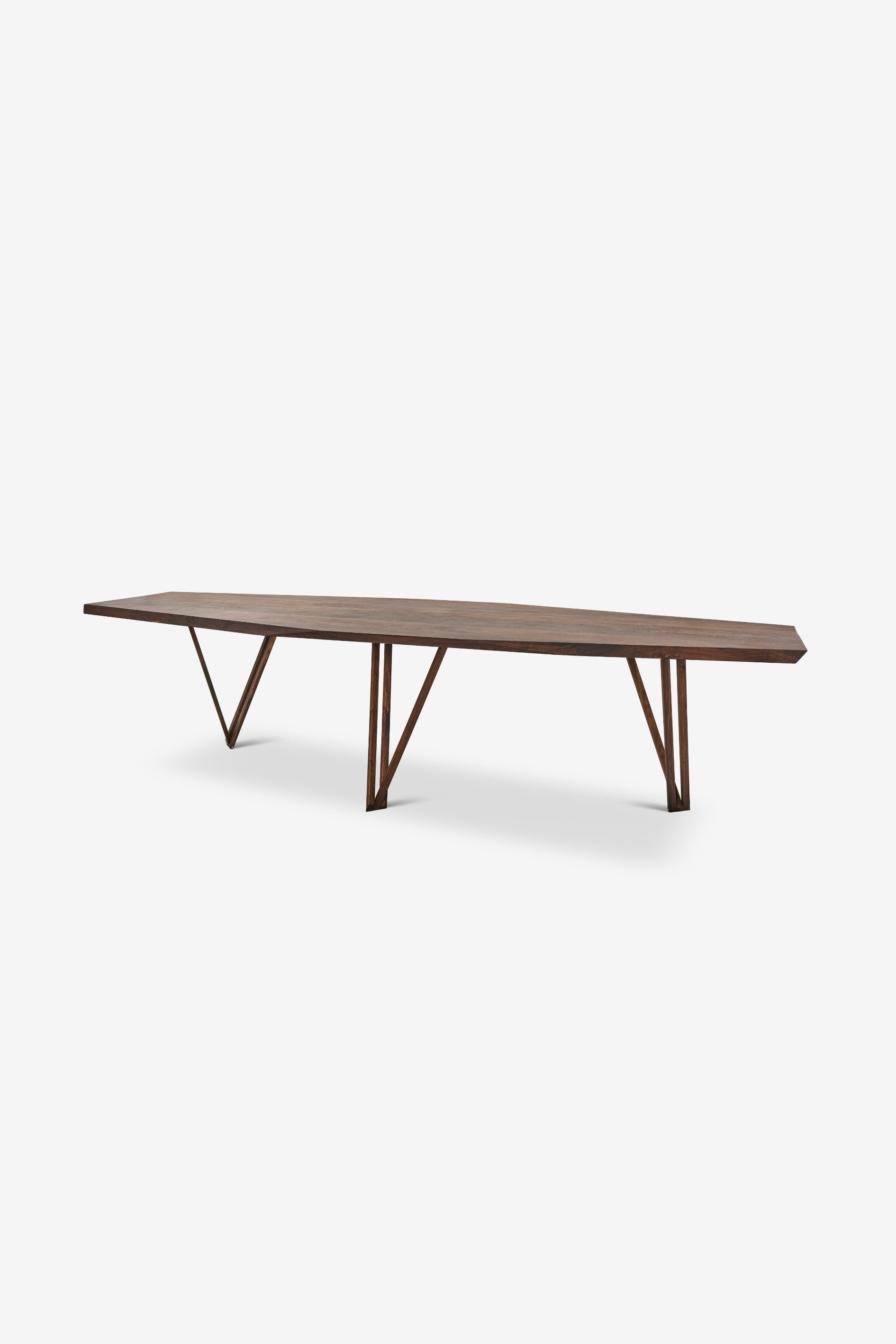
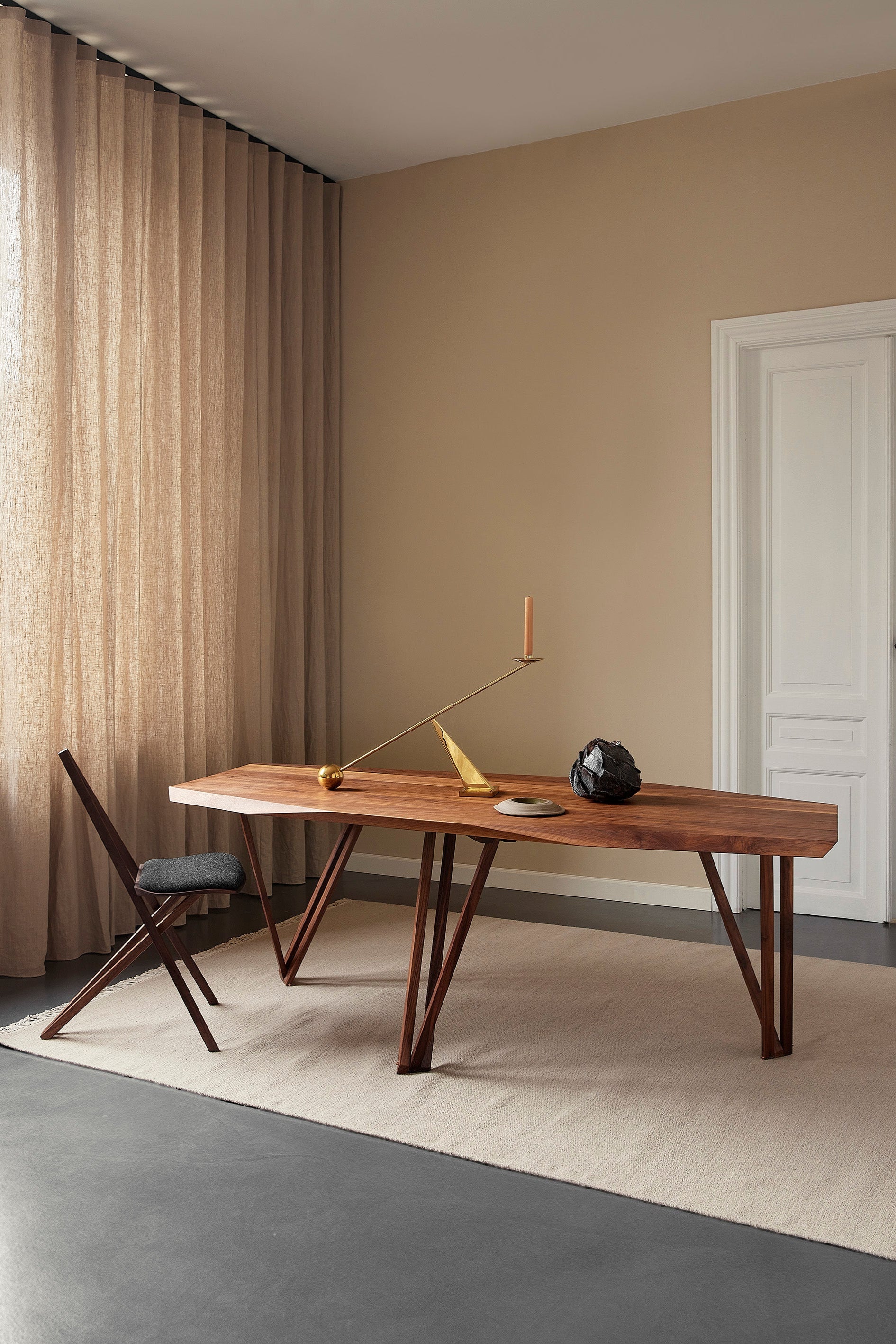
Choosing a solid timber dining table involves balancing room dimensions with daily practical demands. Designed by Janus Larsen and Nikolaj Hviid in 2015, the Dining table JN01 in walnut wood was the first furniture piece developed by Noyer. Its tabletop is octagonal, finished with opposing 45-degree angles along every edge.
Building this geometry requires exact tolerances in the workshop:
- Board matching: Wide walnut planks are assembled to create a harmonious tabletop that showcases the wood's natural grain patterns.
- Specially designed legs: The legs are shaped specifically for the dining table, requiring high-precision manual craftsmanship.
- Made-to-order production: Each table is made to order with a production time of 4 to 6 weeks. All tables can be made to custom dimensions, adapting the piece to the room's available space.
If you are planning a dining space, you can explore the complete collection of walnut tables or consult the dedicated FAQ about our tables page for answers to practical questions about construction and care.
Kitchen accessories with cabinetmaker precision
Danish cabinetmaking is not reserved solely for large dining room centerpieces; it applies equally to daily culinary tools used in the kitchen.
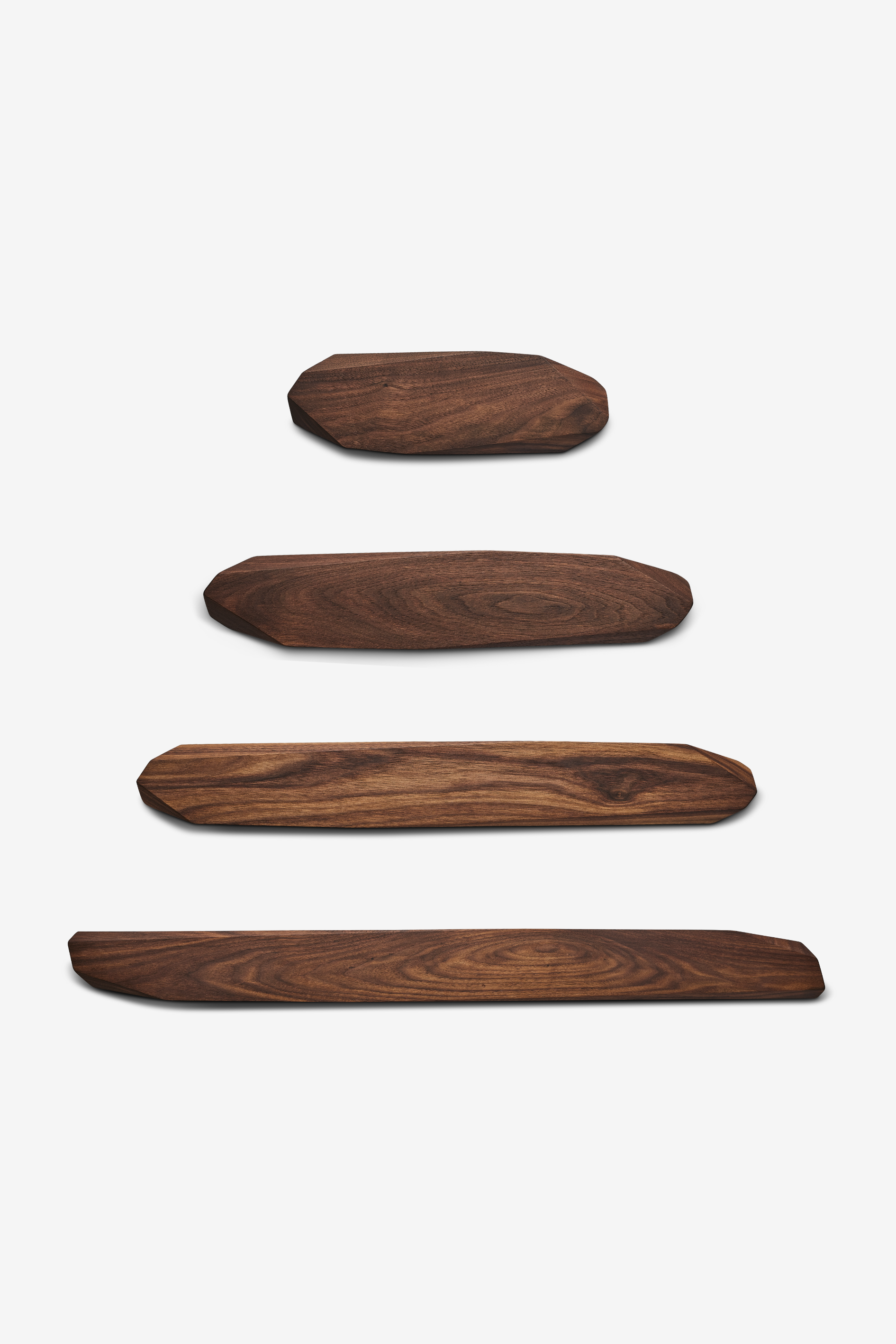
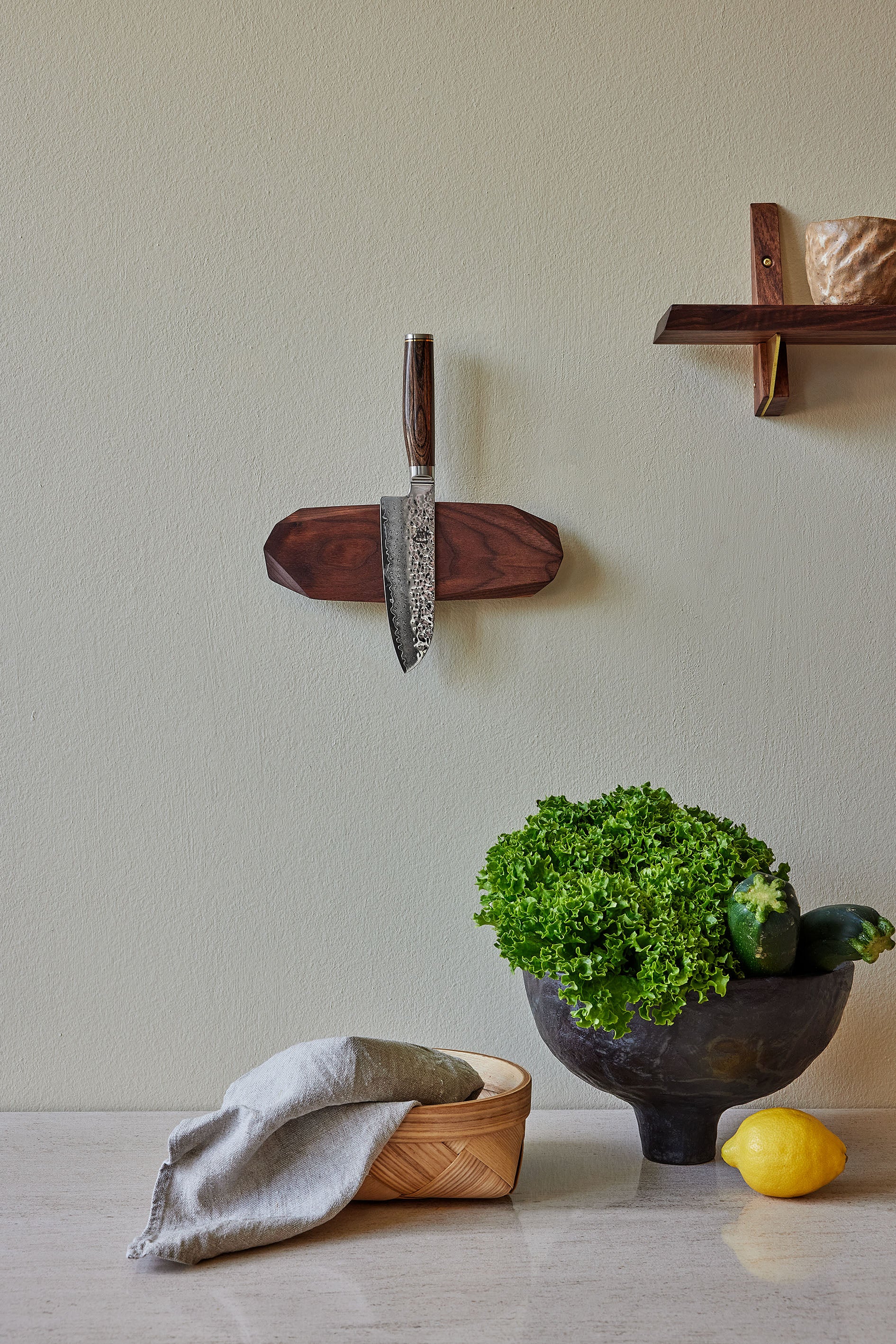
An example is the handcrafted Magnetic knife rack walnut. Each rack is made by hand with opposing 45-degree cuts that highlight the natural walnut grain. Mounted on a steel rail, the knife rack floats 3 centimeters from the wall, making it easy to grab the knives during daily kitchen work.
Caring for solid American walnut
Solid walnut has the quality of becoming more beautiful with use. Guidance on surface treatments and routine maintenance is gathered on our Care and Maintenance page.
Visiting the workshop in Valby
The weight of solid hardwood, the finish of the surface, and the proportions of the furniture are easiest to experience close up. At Noyer’s combined workshop and Showroom in Valby, Copenhagen, visitors can see the production and experience the materials firsthand. You are welcome to contact the team to learn more about the options or arrange a visit.