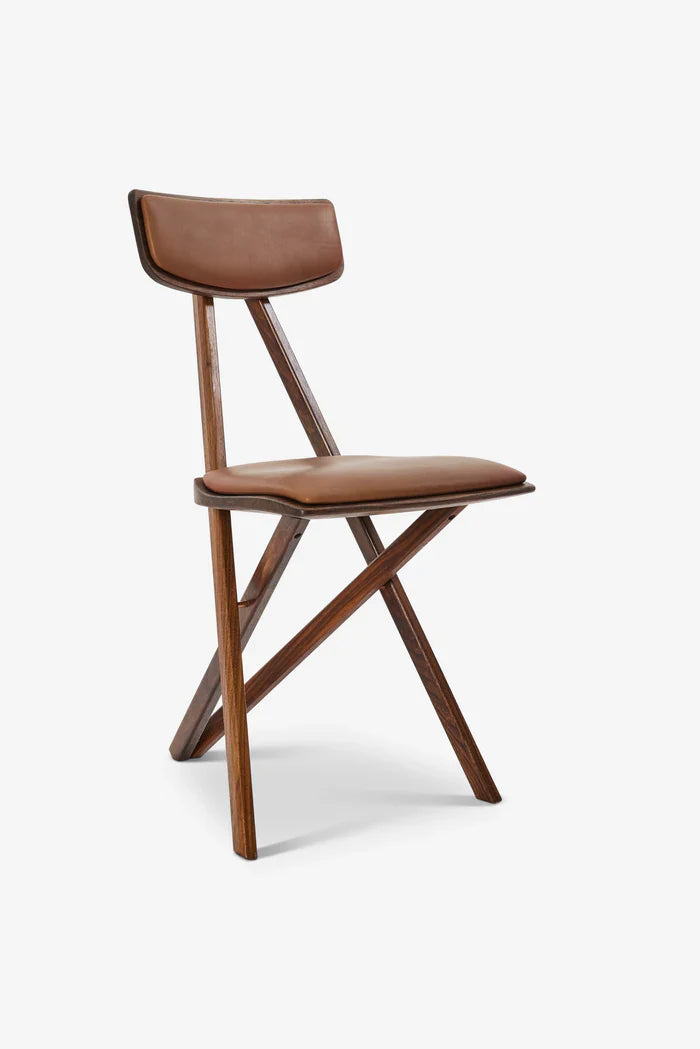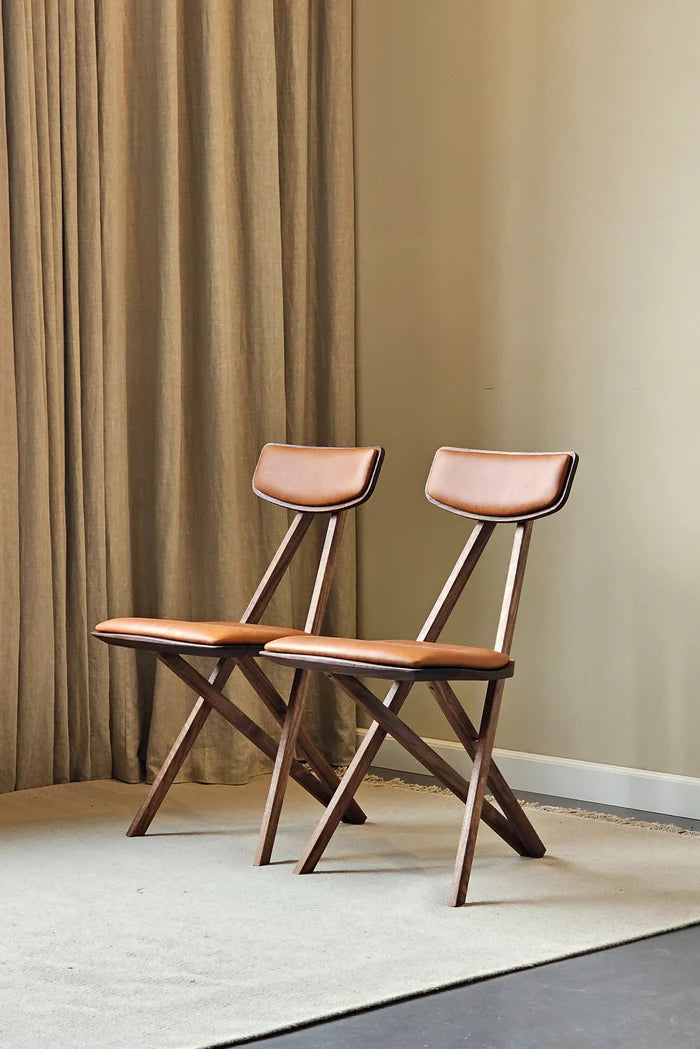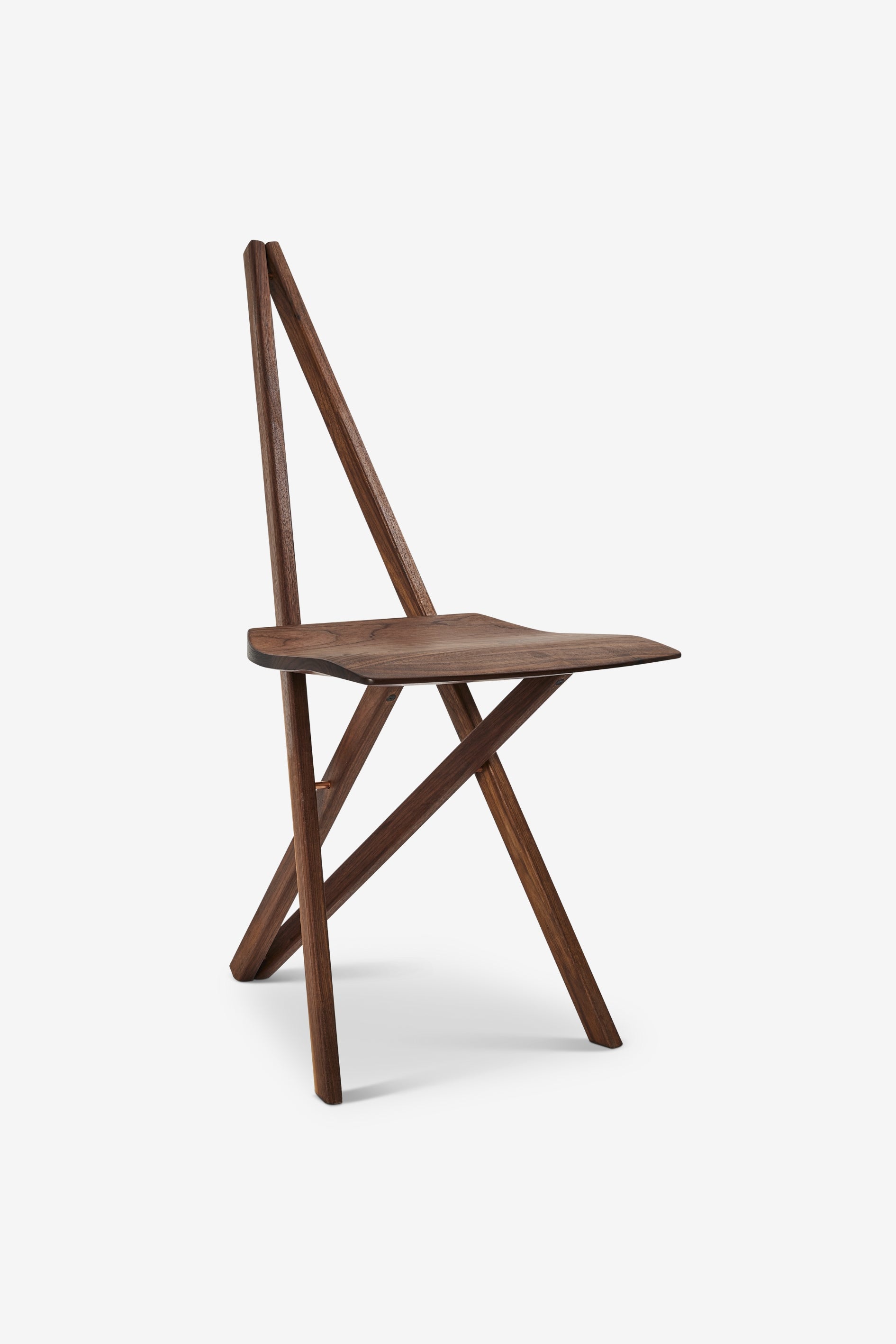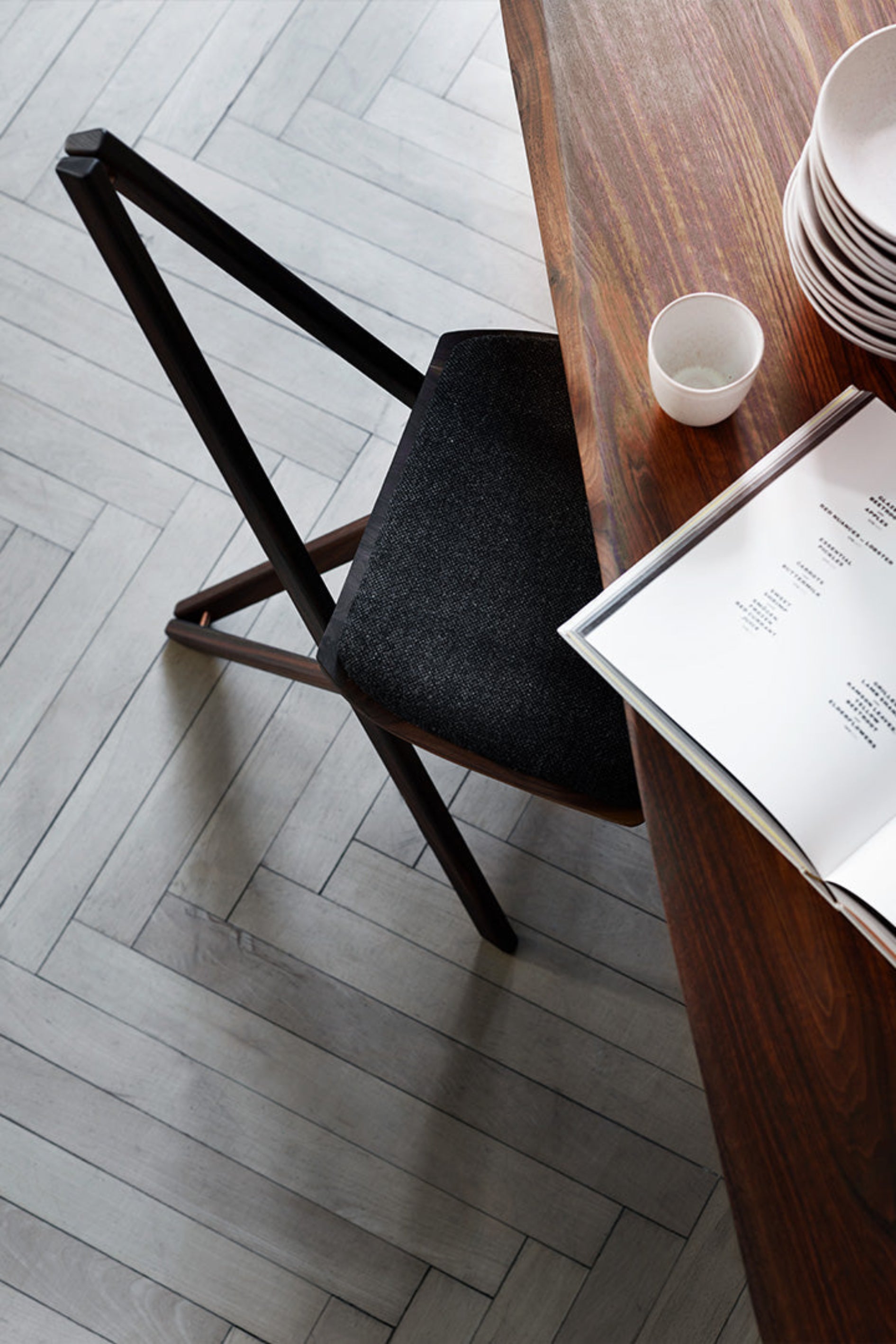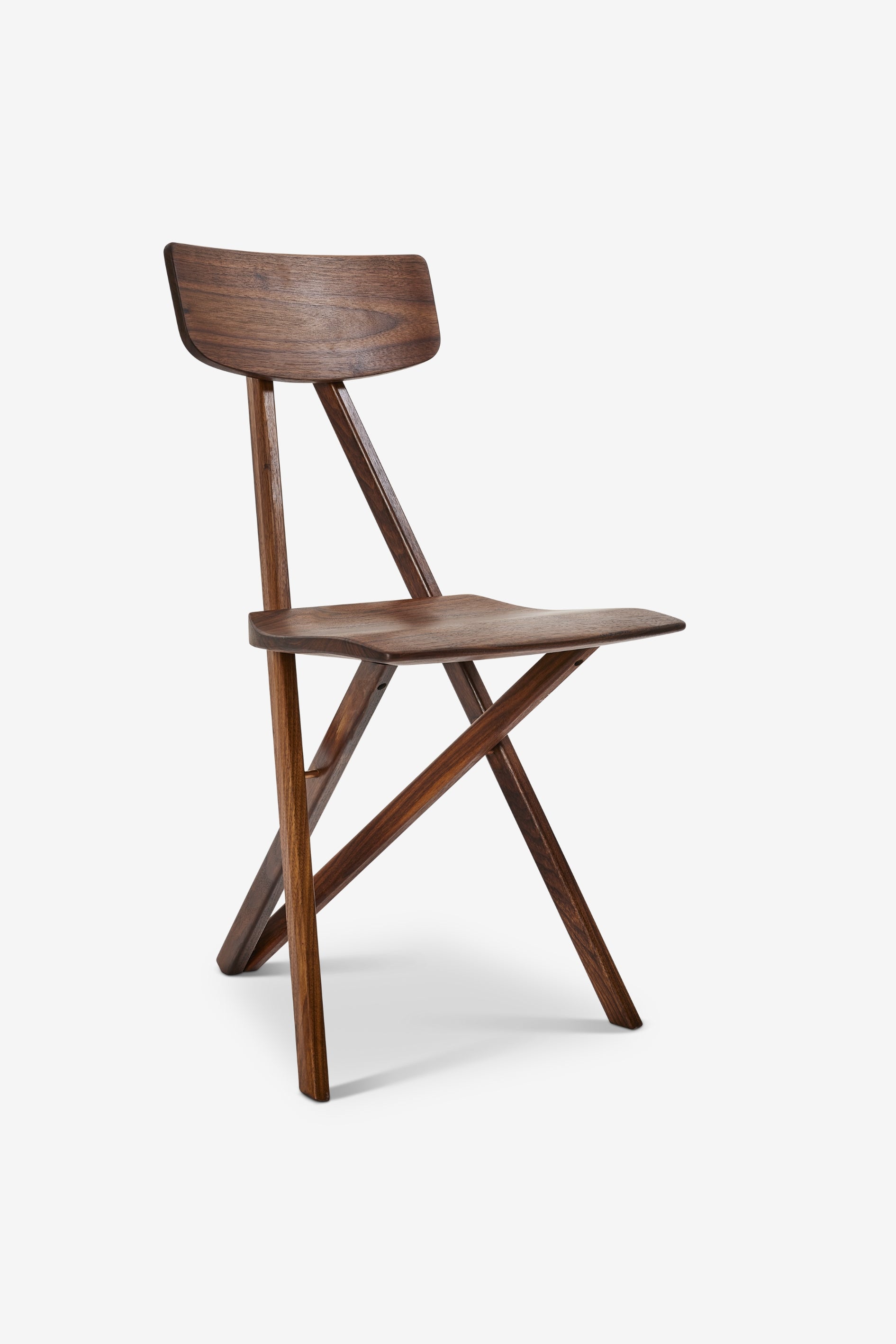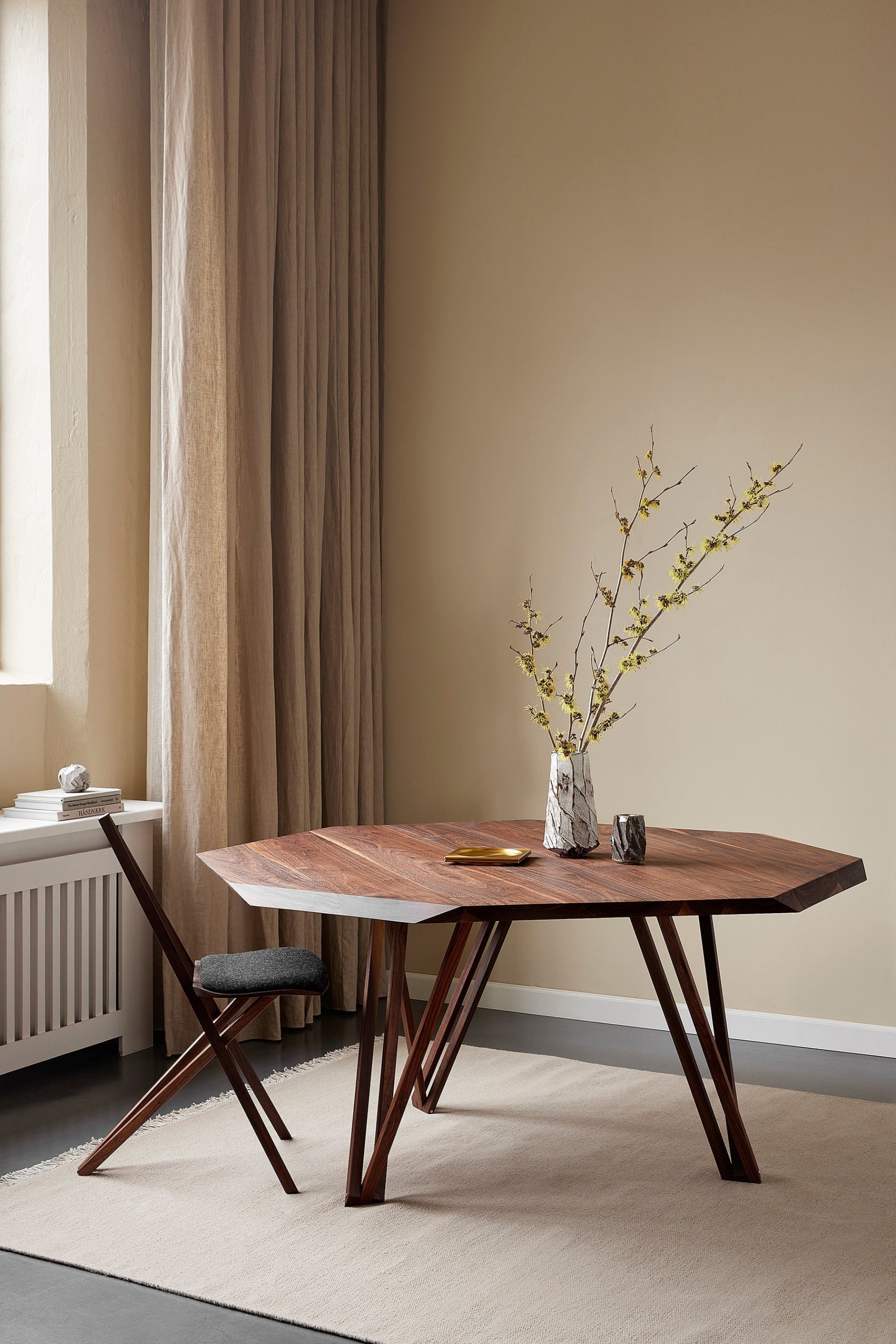
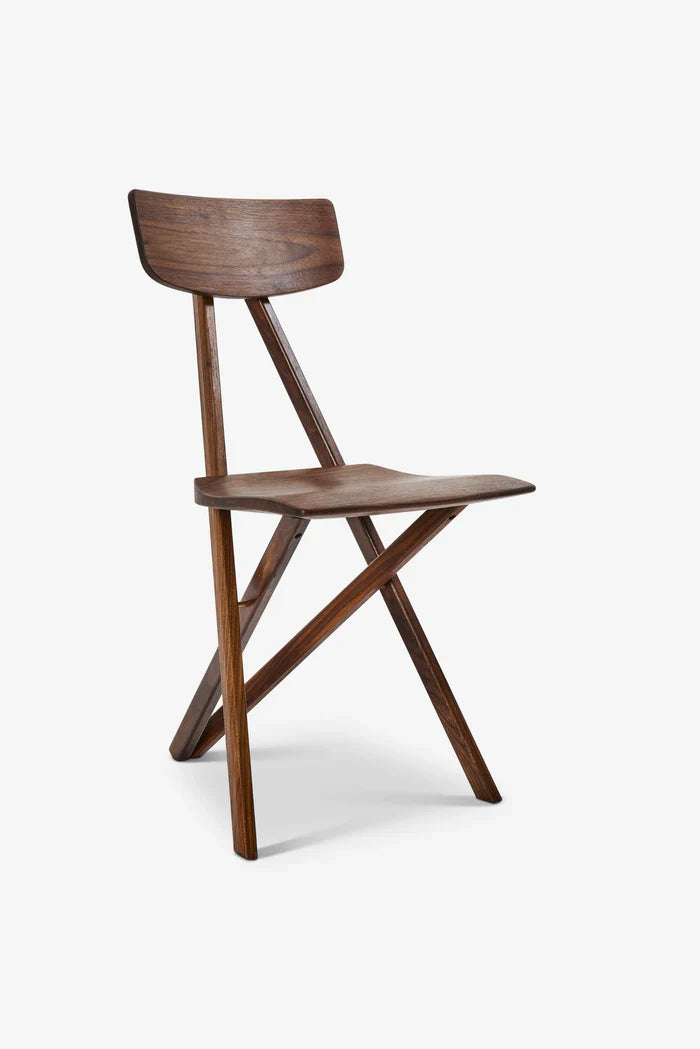
When solid walnut and dark timber enter the dining room, they change the room's visual weight. While pale wood often blends into white walls and light floors, dark wood dining chairs create a distinct, defined outline. The natural brown tones and pronounced grain bring depth to the space, whether you match them to a walnut tabletop or set them against concrete, linoleum, or natural stone.
Dimensions and Clearances Around the Table
A functional dining area depends on precise spacing. To keep seating comfortable and allow easy movement during meals, follow these standard measurements:
- Width per seat: Allow approximately 60 cm (24 in.) of table edge per armless chair. If the chair has armrests, plan for 65–75 cm (26–30 in.) to ensure adequate elbow room between diners.
- Vertical clearance: Maintain a gap of 25–30 cm (10–12 in.) between the top of the chair seat and the surface of the tabletop. This height difference gives proper thigh clearance and supports a relaxed arm posture.
- Pull-out space and walkways: Leave at least 75–90 cm (30–36 in.) between the table edge and the wall or nearby furniture so chairs can slide back easily. If a main walkway runs directly behind seated guests, increase this clearance to 100–120 cm (40–48 in.).
Wood, Leather, or Fabric: Choosing Seating Comfort
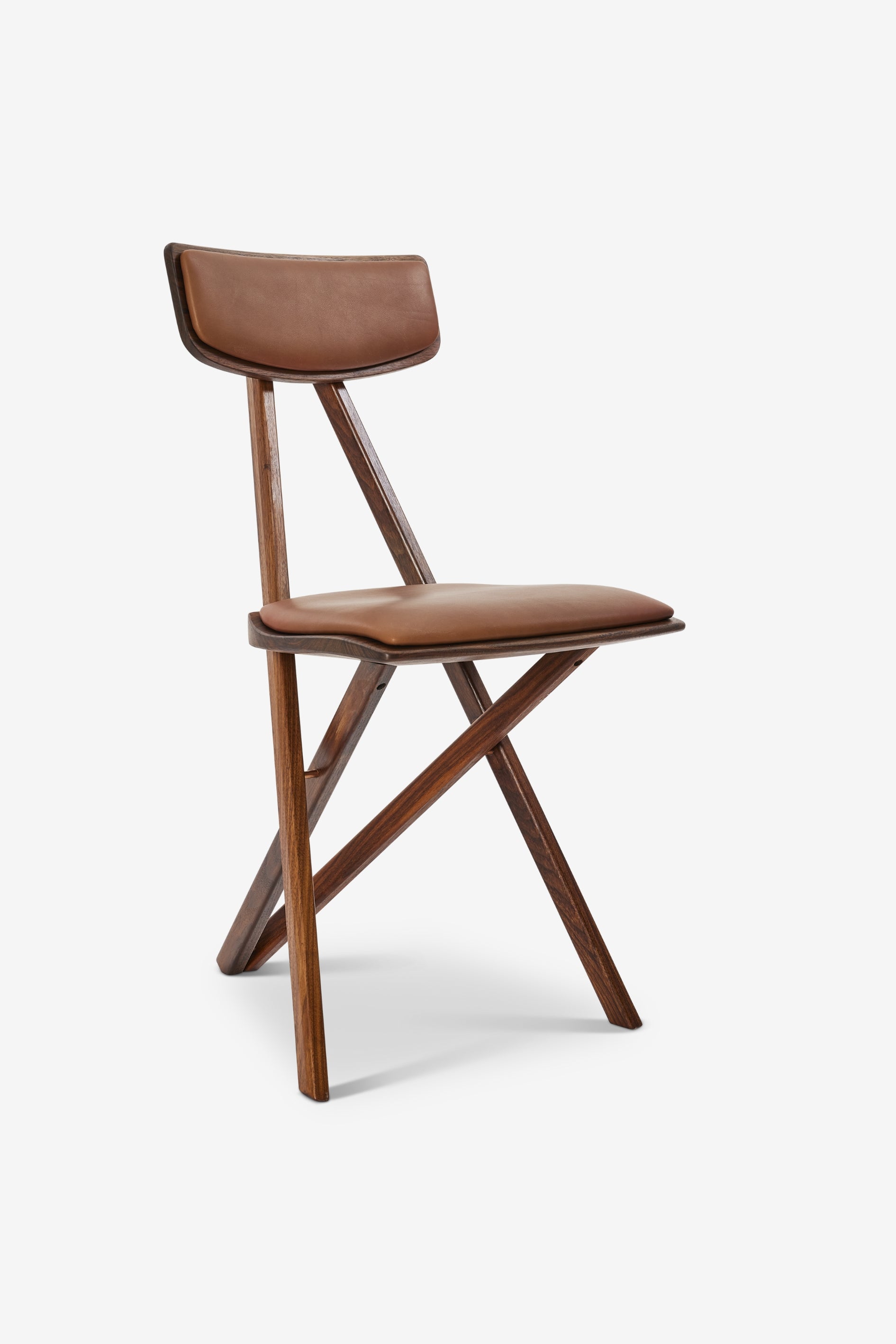
The seat construction determines how a dining chair feels over hours of use. A solid walnut seat highlights the natural grain pattern and joinery of the timber. The Dining table chair JN11 features an angular, minimalist structure focused on the inherent strength of wood, offered with a seat in solid walnut, leather, or wool.
For longer dinners where additional back support and cushioning are useful, the Dining chair JN16 in walnut wood incorporates a contoured backrest alongside high-resilience molded foam cushioning. It is available with durable Hallingdal wool upholstery, supple leather, or unpadded solid wood surfaces. Explore our complete range of seating across all chairs.
Pairing Dark Timber with Light and Dark Surfaces
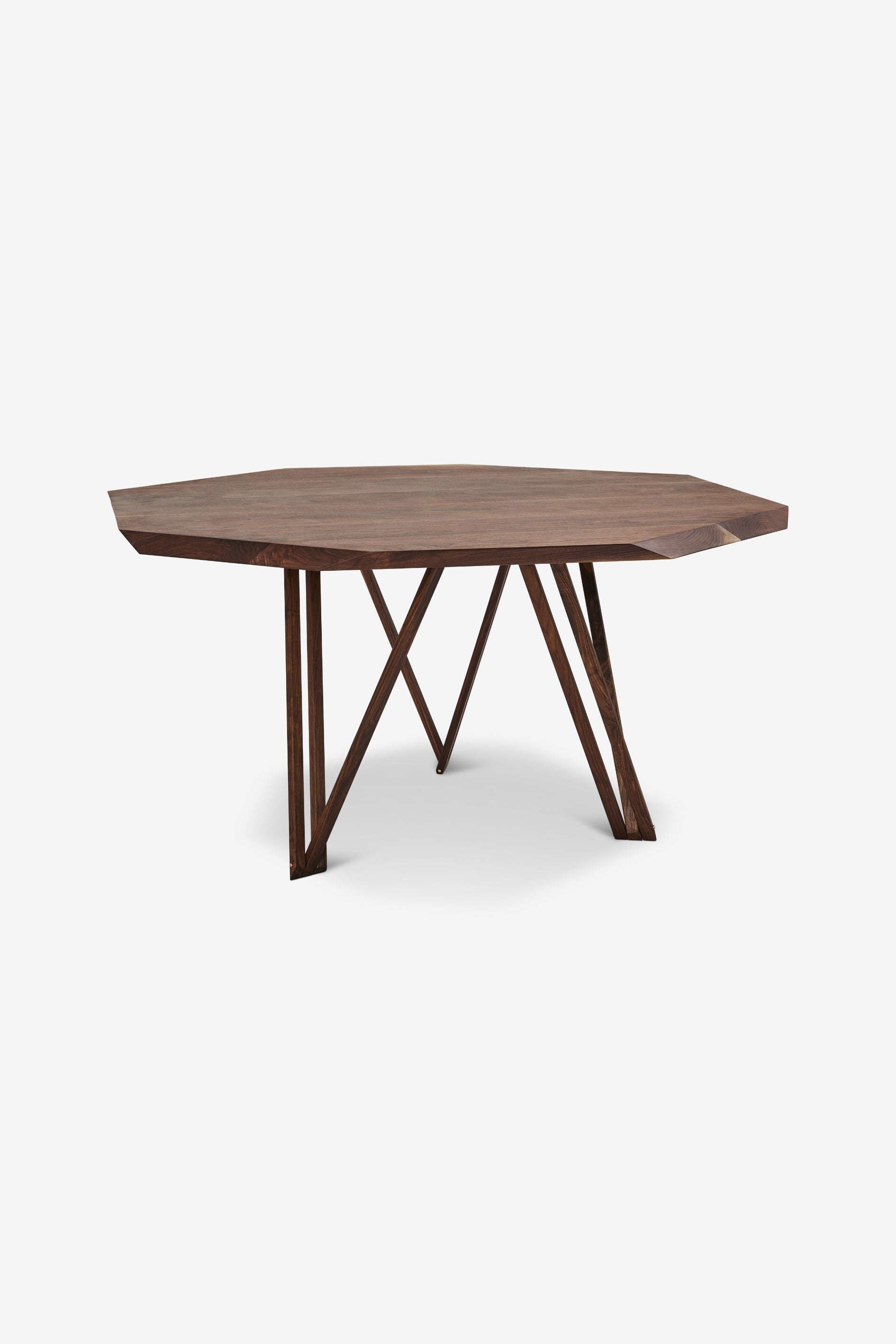
Dark wood dining chairs do not need to match your dining table's exact timber species. Placing walnut chairs around an octagonal or rounded piece such as the Dining table JN01 in walnut wood 'round' creates a cohesive aesthetic where the angled edges and rich grain mirror one another. You can review different base and top layouts in our selection of tables.
Conversely, placing dark walnut chairs beside a pale oak table, light stone surface, or painted top introduces deliberate visual contrast. The darker legs and backrest profiles stand out clearly against the lighter surfaces, grounding the dining set when balanced with other deep accents in the room, such as shelving, pendant lights, or dark frames.
Daily Care for Oil-Treated Wooden Chairs
Solid oiled wood develops a gentle patina with everyday use when properly cared for. The oil penetrates the timber pores, enriching the grain and providing a dirt-resistant finish suitable for daily dining.
For routine cleaning, wipe the surface with a well-wrung cloth dampened in lukewarm water, avoiding harsh chemical cleaners. To maintain the wood's resistance to drying, apply suitable wood oil 1–3 times a year as needed. If fine surface scuffs appear over time, lightly sand along the grain direction with fine-grit sandpaper (such as 220–320 grit) before reapplying oil. For detailed maintenance steps, visit our guide to care and maintenance.