The living room is the sanctuary of the home, a space dedicated to both quiet reflection and shared moments. Within this environment, every object contributes to a collective atmosphere, but few pieces carry as much weight as the coffee table. Often positioned at the very center of our daily lives, it serves as a visual anchor and a natural gathering point. When curating a space, the selection of designer walnut coffee tables is far more than a functional necessity; it is an aesthetic priority that defines the character of the entire room. A well-chosen piece unites form and function while introducing a sense of tactility and calm to the domestic landscape.
At Noyer, we view furniture as functional art. Our pieces are designed to withstand the passage of time, both in terms of structural durability and design language. By choosing a centerpiece crafted from solid American walnut, you are investing in a living object that evolves with your home, developing a rich patina over the years. In this guide, we explore how to select and style the perfect table to achieve a sophisticated balance in your interior design.
Proportions and Balance: Finding the Right Scale
When integrating designer walnut coffee tables into a living space, proportions are the silent architects of harmony. If a table is too small, it feels lost and disconnected; if it is too large, it stifles the room’s flow. A reliable editorial rule is that the coffee table should measure approximately two-thirds the length of your sofa. This ratio ensures the table feels like a natural extension of the seating area rather than an afterthought.
Height is equally critical to the visual and functional success of the room. To achieve the highest degree of comfort and aesthetic cohesion, the tabletop should sit flush with the sofa’s seat height or slightly lower. This creates a relaxed, low-profile silhouette that allows the eye to travel across the room without interruption. In our collection of tables, we often experiment with varying heights, allowing for a more dynamic arrangement if one chooses to nest multiple smaller pieces rather than a single large surface.
The Geometry of Movement
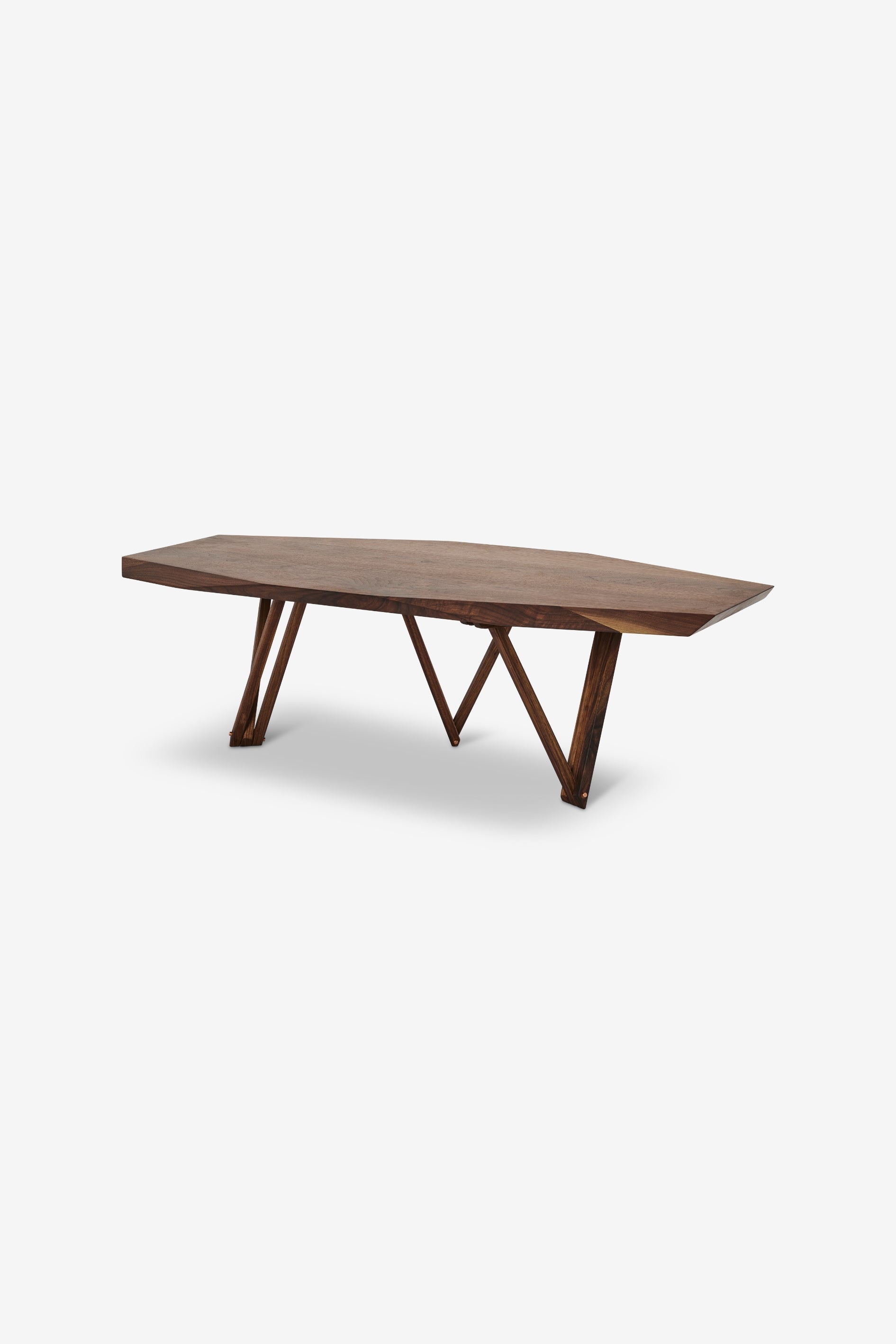
The shape of your table dictates the flow of the room. Rectangular tables are classic and work exceptionally well in larger, elongated spaces or alongside traditional three-seater sofas. However, for those navigating smaller footprints or sectional sofas, a round or organically shaped table can be transformative. Soft curves break the rigid, straight lines that often dominate modern architecture, creating a more fluid environment where movement feels natural and unhindered.
The Soul of the Material: Why Choose Walnut?
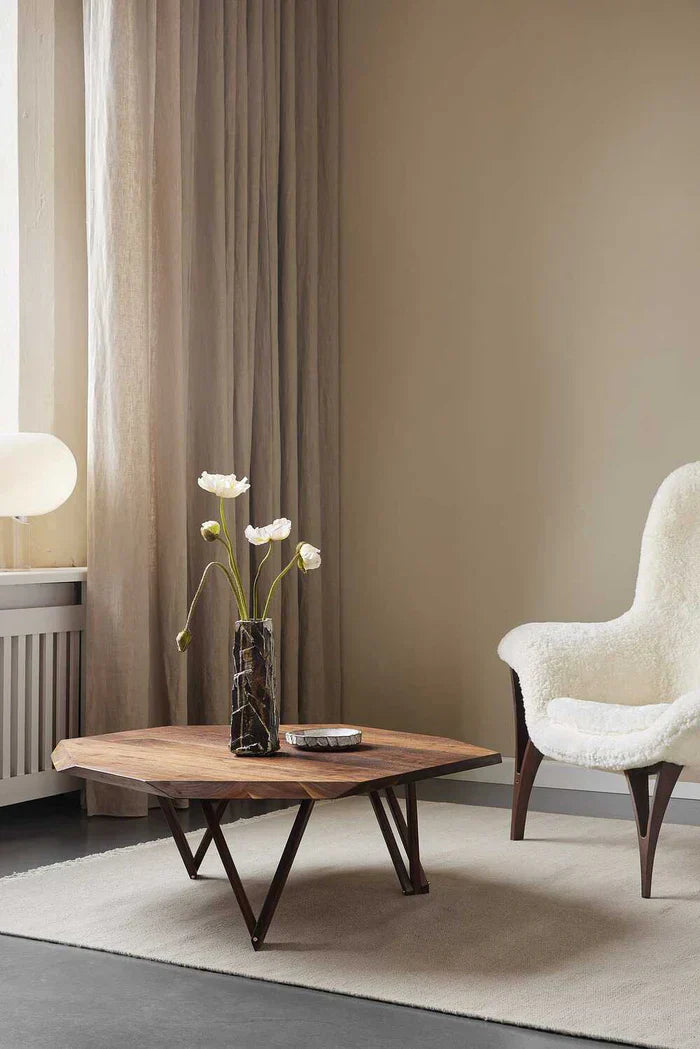
The choice of material is the foundation of the room’s mood. While glass offers a cold minimalism and marble provides a heavy elegance, wood possesses a unique ability to bring warmth and life into an interior. A piece like our Coffee table JN02 in walnut wood serves as a testament to how nature’s own patterns can become a masterpiece in their own right.
Walnut is prized for its deep, dark glow and the intricate grain patterns that ensure no two tables are ever identical. At Noyer, we spend hours selecting specific planks, matching them to create a harmonious, vibrant surface. The tactility of the wood invites touch, and unlike colder materials, walnut always feels tempered and inviting against the skin. It is this sensory quality that distinguishes a handcrafted piece of furniture from mass-produced items. To preserve this organic beauty, we always recommend consulting our guide on care and maintenance, ensuring the wood remains a legacy piece for generations.
Organic Forms and Visual Stillness
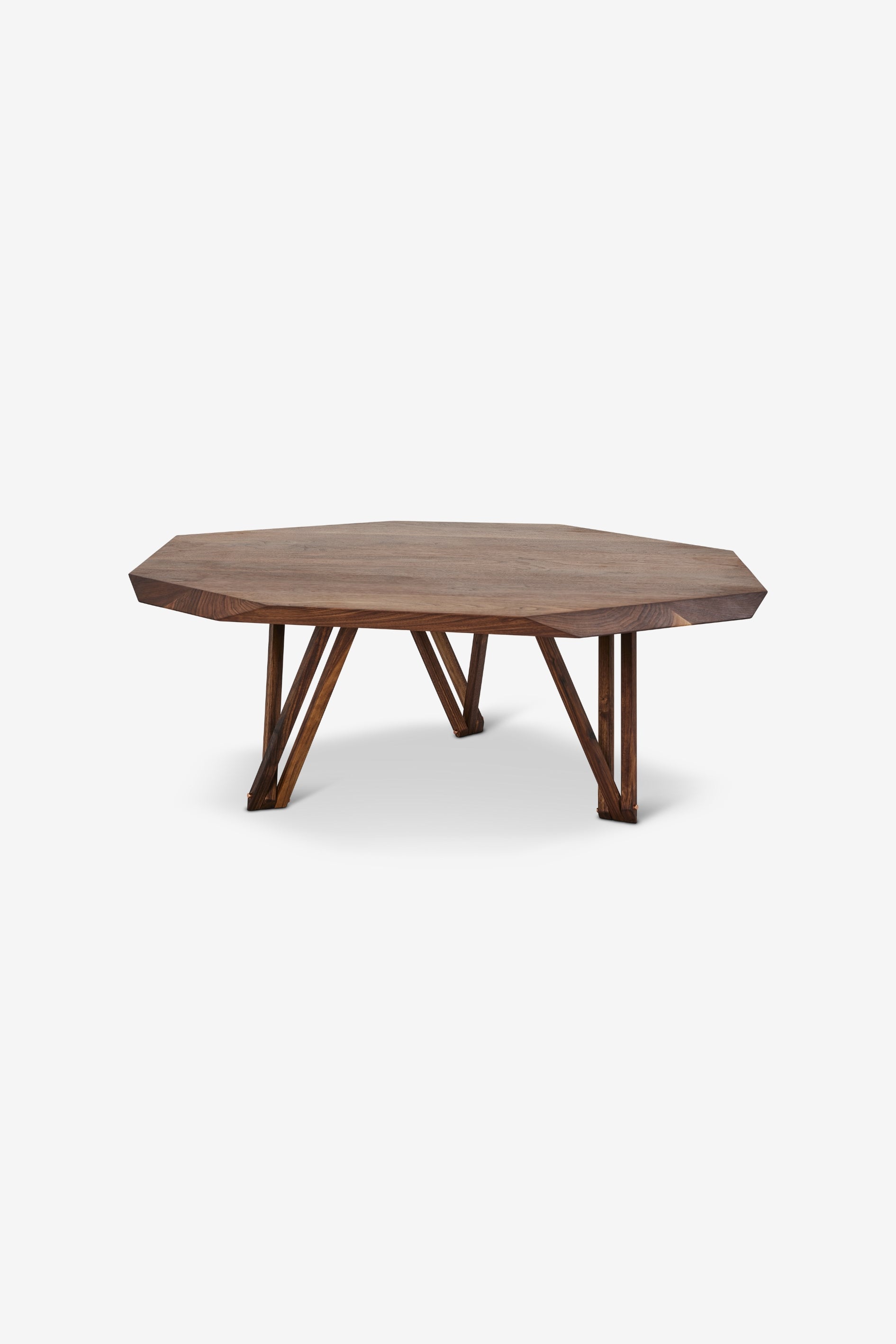
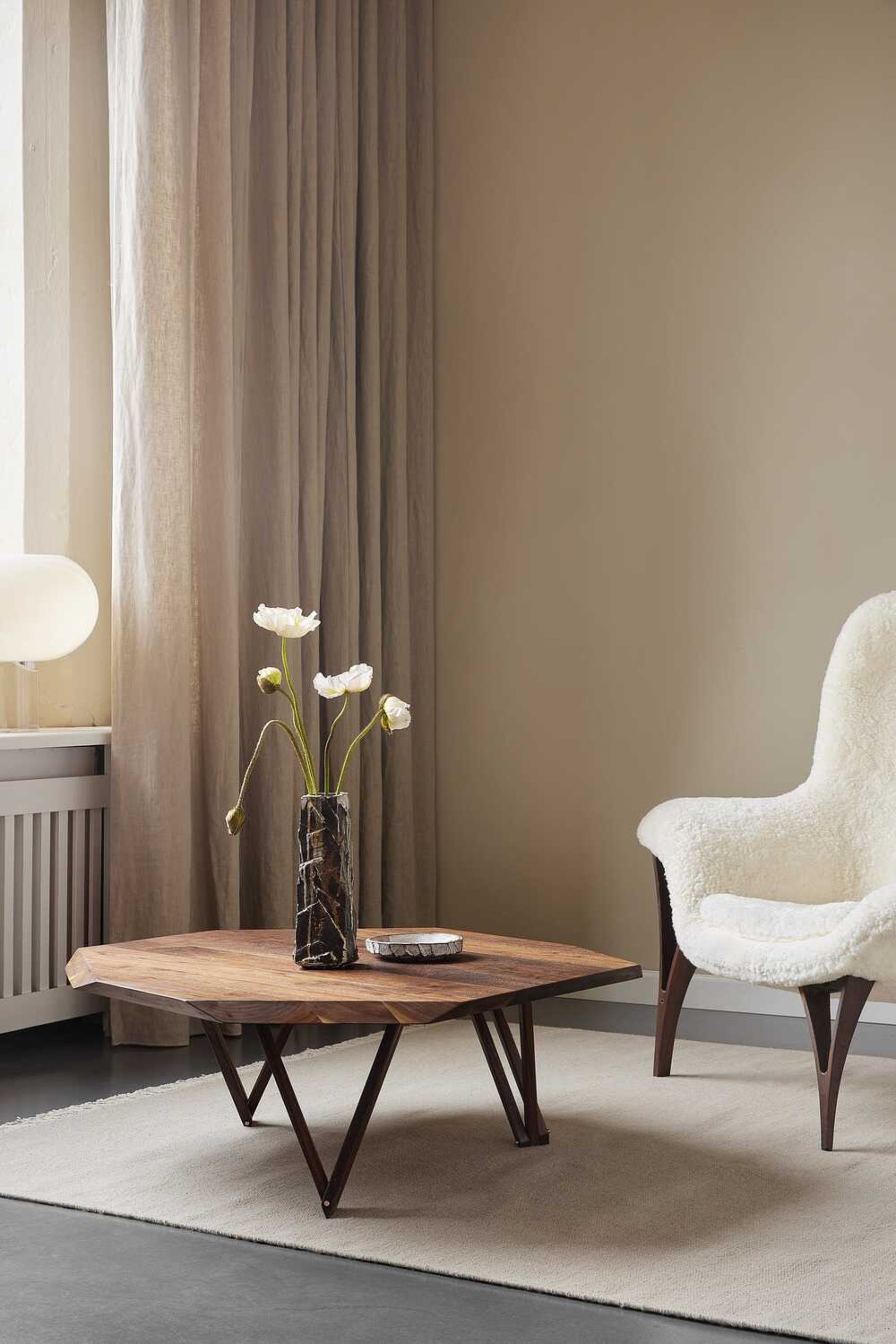
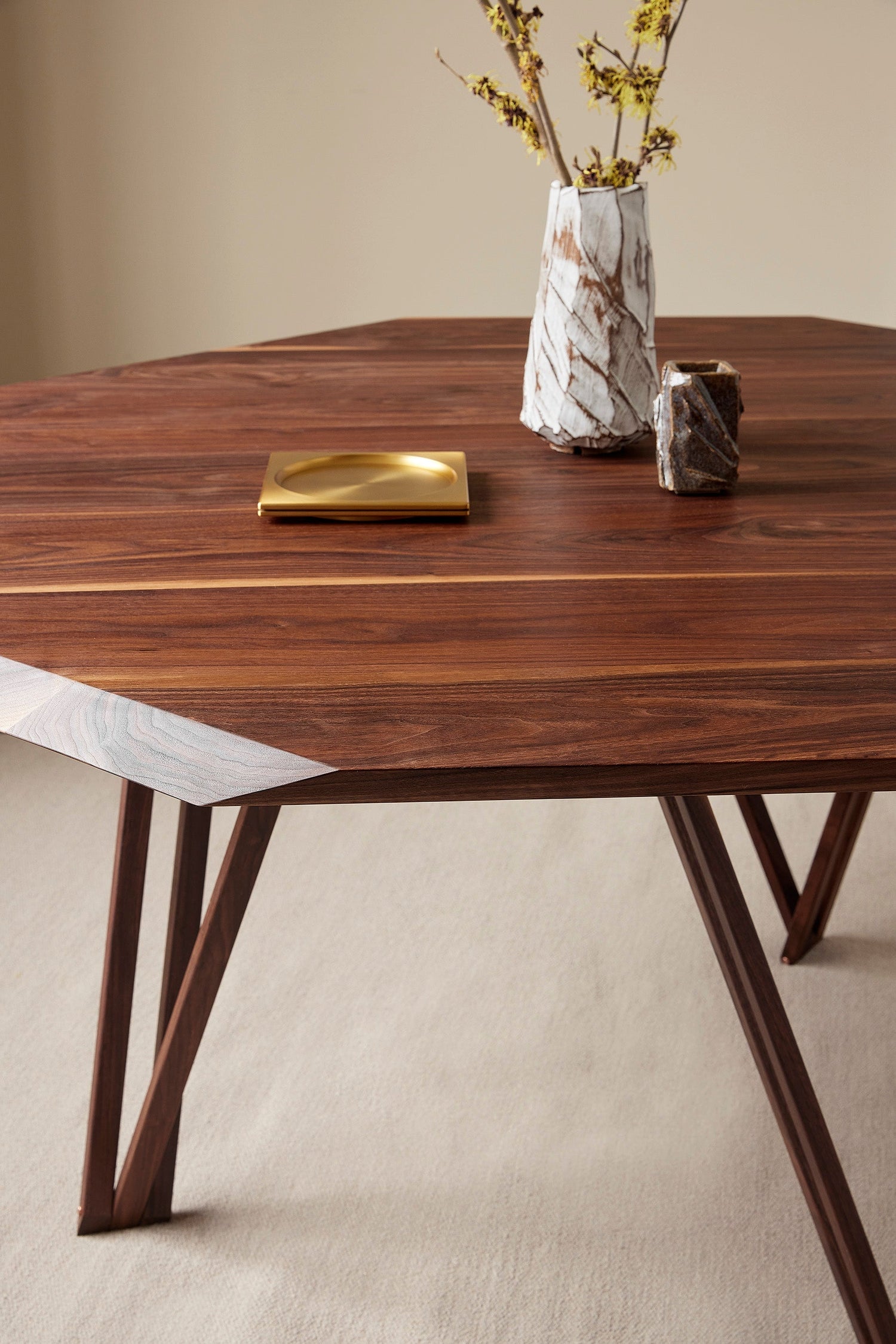
In a world often dominated by fleeting trends, there is a growing desire for more organic and tranquil expressions within the home. Our Coffee table JN02 'round' in walnut wood is, in reality, an octagonal construction, yet the opposing angles on its edges give it a soft, almost hovering appearance. This design challenges conventional expectations, adding a sculptural dimension to the living room.
Working with organic or non-traditional shapes creates a necessary contrast to the many rectangular elements in a home: the television, the windows, and the bookshelves. This contrast is the secret to an interior that feels considered and personal. The octagonal design allows light to catch the angled edges differently throughout the day, highlighting the depth of the walnut and creating a visual interest that shifts depending on your vantage point in the room.
Styling a Designer Coffee Table: The Art of the Edit
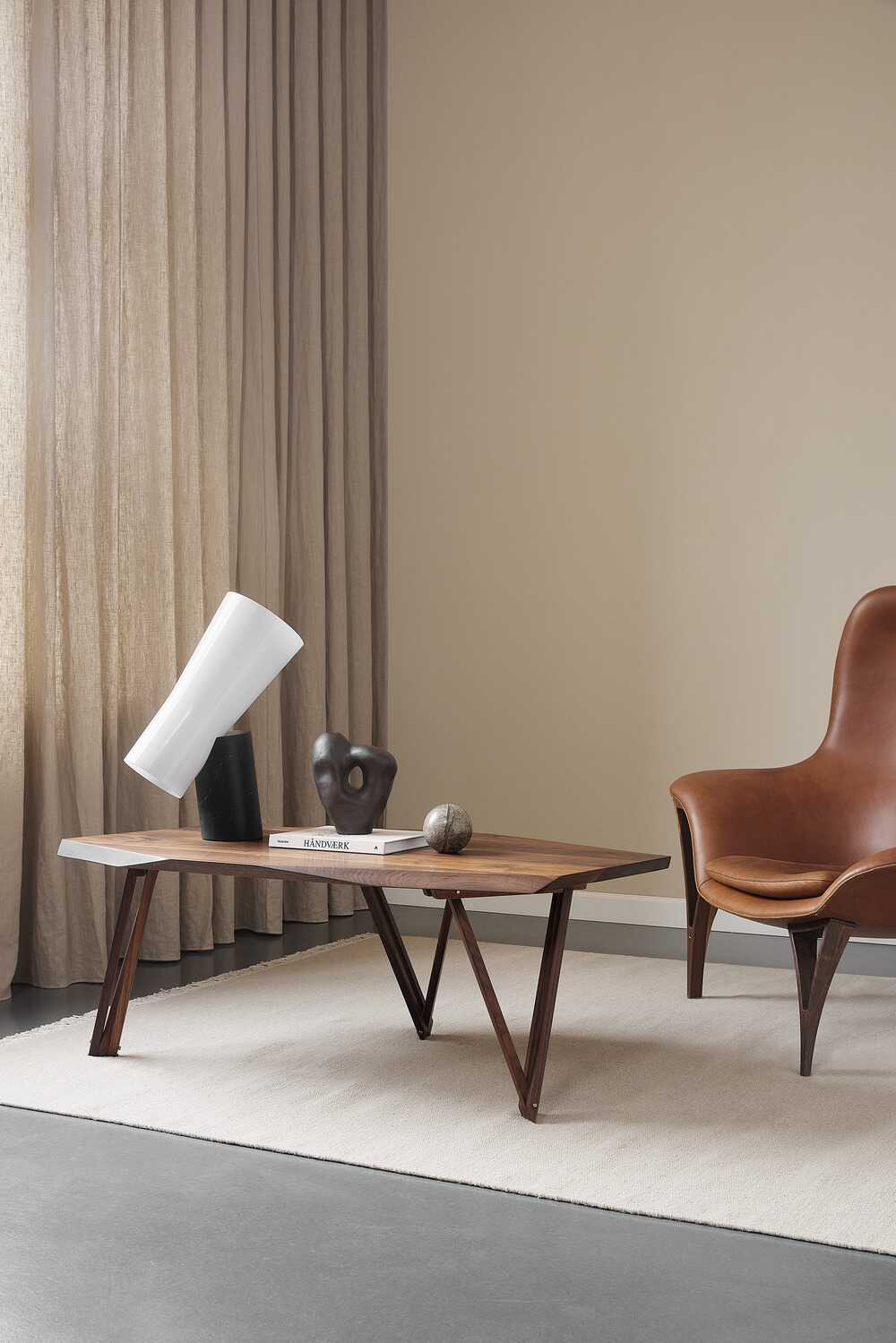
Once the perfect table is in place, the process of making it part of your personal narrative begins. Styling a designer coffee table is an exercise in balance: it should never appear cluttered, nor should it feel sterile. The most effective approach is to work in layers and vary the heights of the objects you choose to display.
- The Foundation of Layers: Use large-format art books as a base for smaller, more delicate objects. This creates levels and gives the eye a journey to follow across the surface.
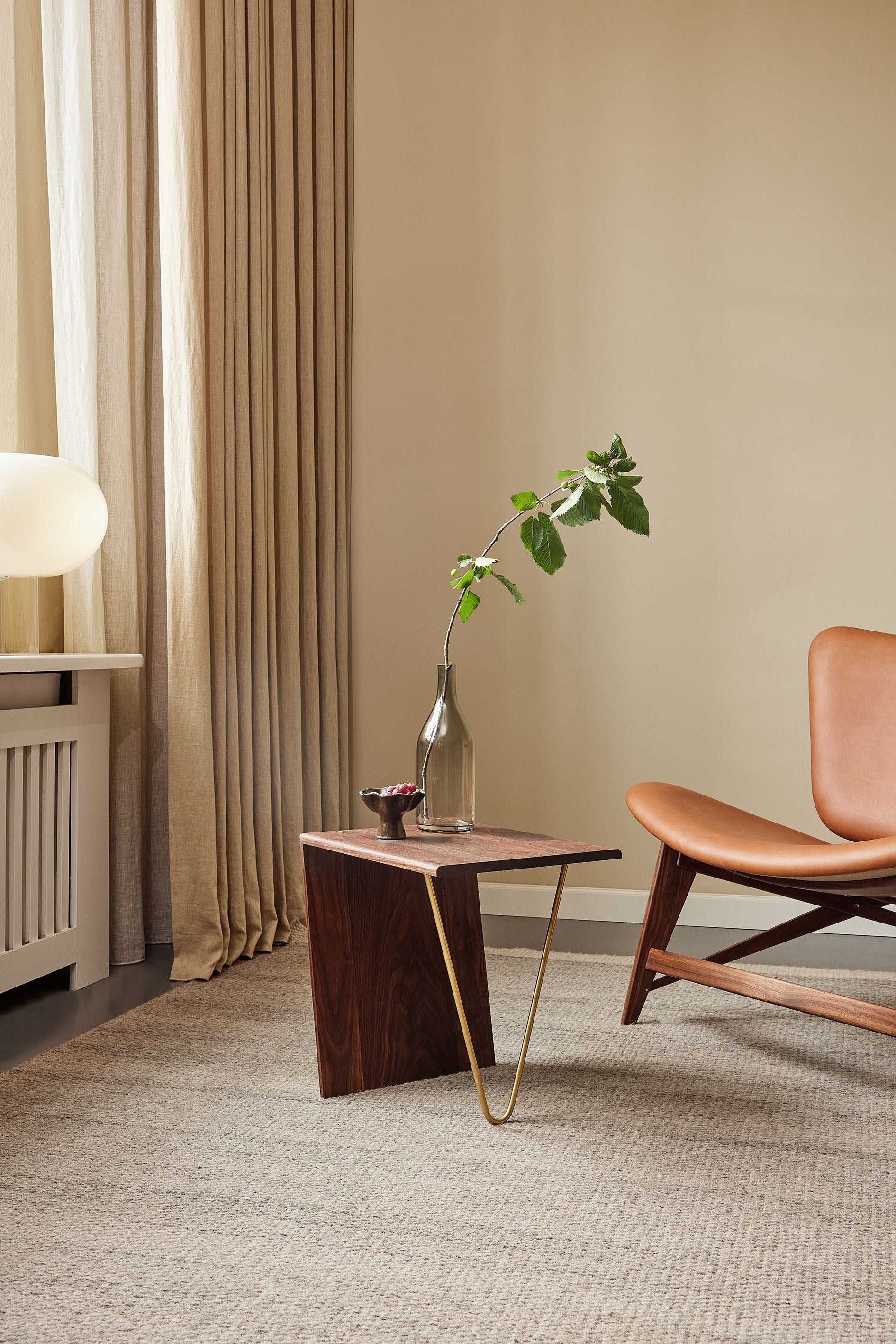
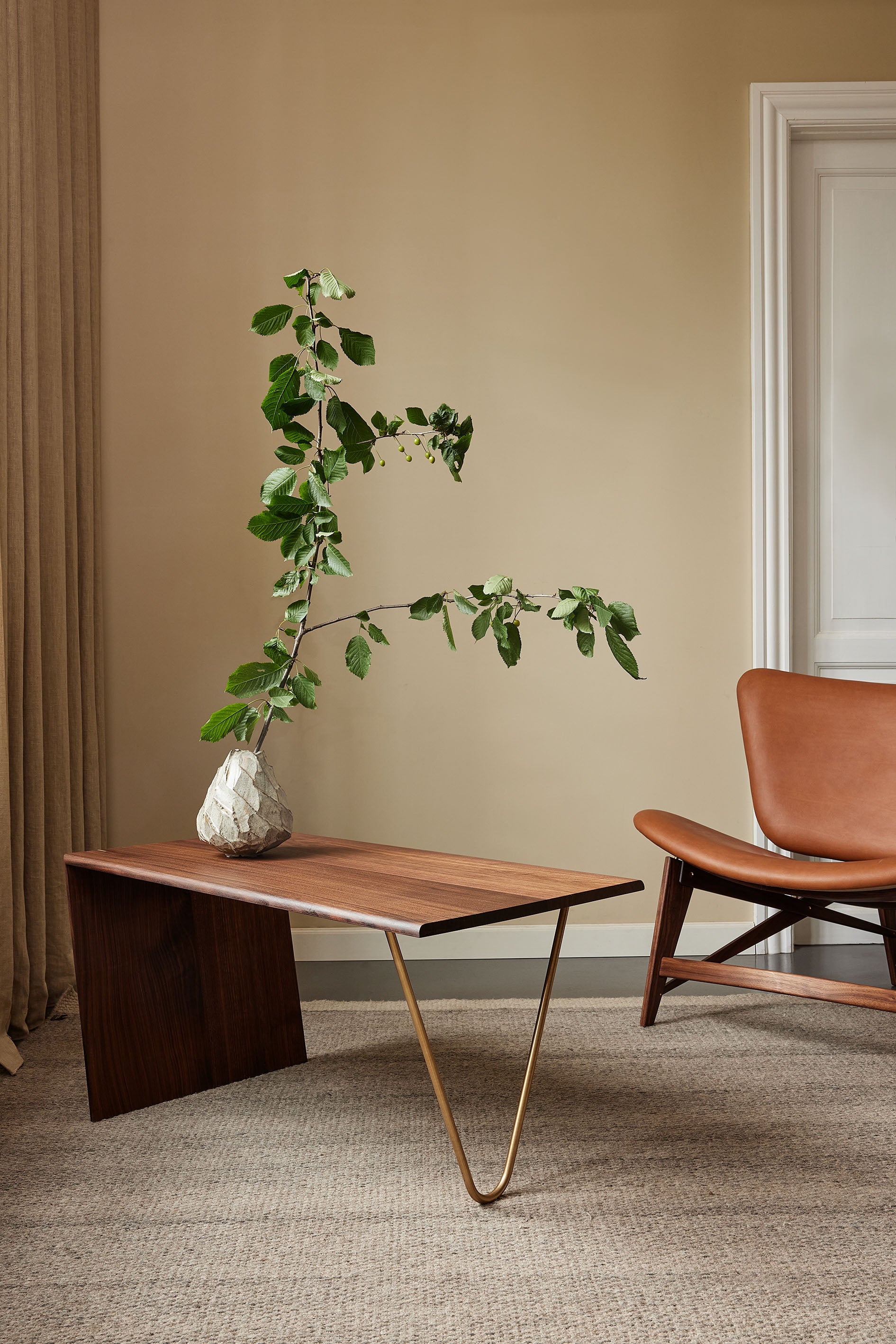
- Organic Elements: A simple vase with a single branch or a small, sculptural plant introduces life and complements the wood’s natural origins.
- Material Contrast: Place objects of different textures on the walnut surface, such as a ceramic bowl or a brass candleholder. These materials highlight the warmth of the wood through contrast.
It is vital to leave space for life itself. There must always be room for a coffee cup or a glass of wine without the need to rearrange the entire display. True harmony exists in the tension between the curated and the used.
The Flexible Interior: Side Tables and Combinations
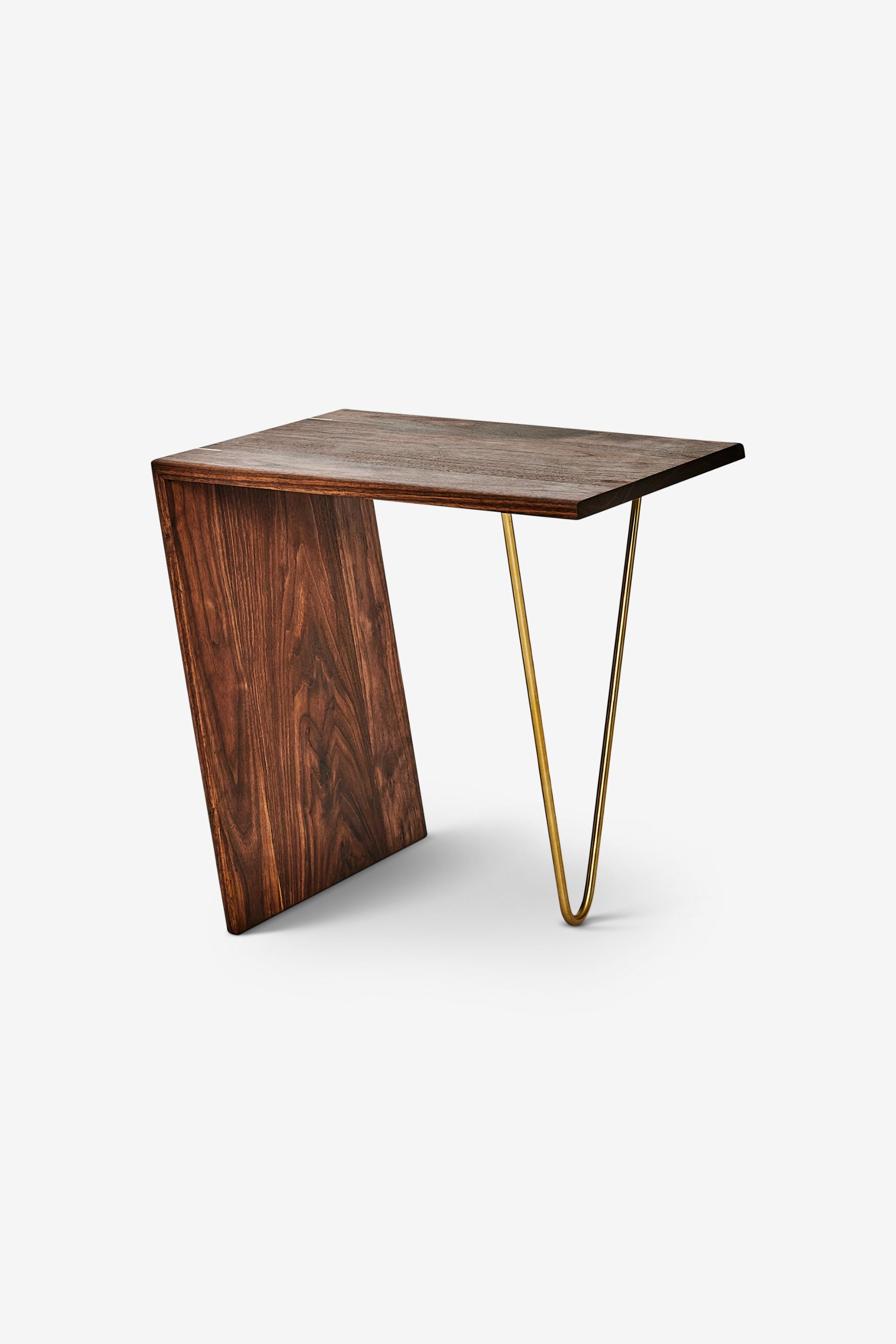
In many modern homes, flexibility is a necessity. This is where smaller, versatile pieces like the Side table JN20 or the compact Coffee table JN21 become essential. These pieces can stand alone in a reading nook or be combined in sets to create a dynamic, changeable arrangement in front of the sofa.
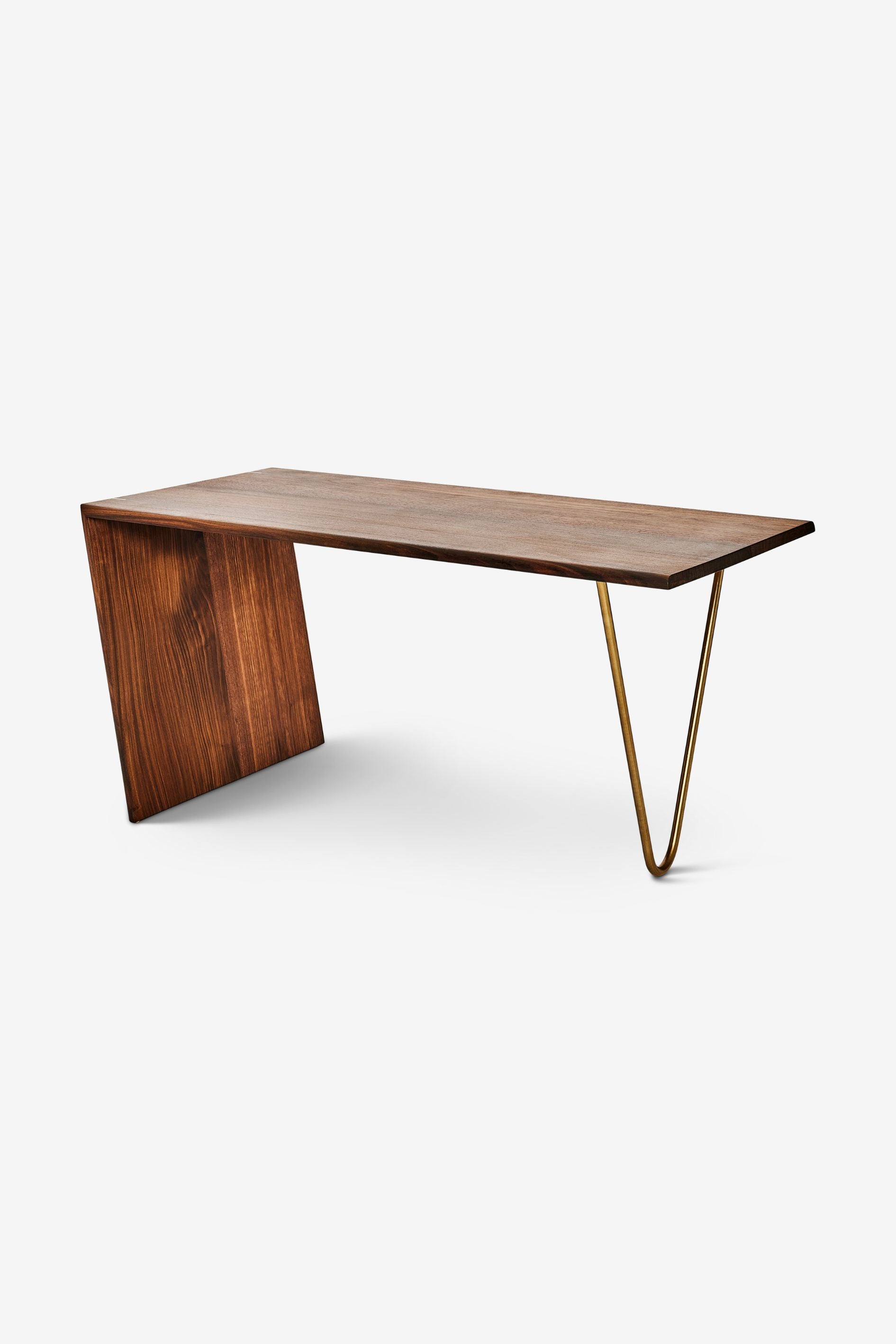
The JN21 model is a study in poetic contrast, featuring a massive walnut leg paired with a light brass bracket. It is a design that occupies significant mental space despite its modest footprint. By pairing a larger coffee table with a smaller side table, you create a flexible interior that can be adapted to the needs of the moment, whether you are hosting guests or enjoying a quiet evening alone. You can learn more about us and our philosophy of challenging traditional craftsmanship through these unique constructions.
An Investment in Lasting Beauty
Designing with high-end furniture is ultimately about creating a space where you feel truly at home. It is about choosing pieces that do not merely follow a trend but possess an inherent quality and a story to tell. When you choose a table from Noyer, you are choosing a piece of Danish design created with a passion for detail and a profound respect for the material.
Whether you are drawn to the expansive presence of an octagonal centerpiece or the sculptural intimacy of a side table, the goal remains the same: to create harmony through aesthetics and functionality. Let your coffee table be the foundation for years of memories, conversations, and moments of peace. If you have questions regarding our processes or custom dimensions, you are always welcome to explore our FAQ about our tables or reach out to us directly.