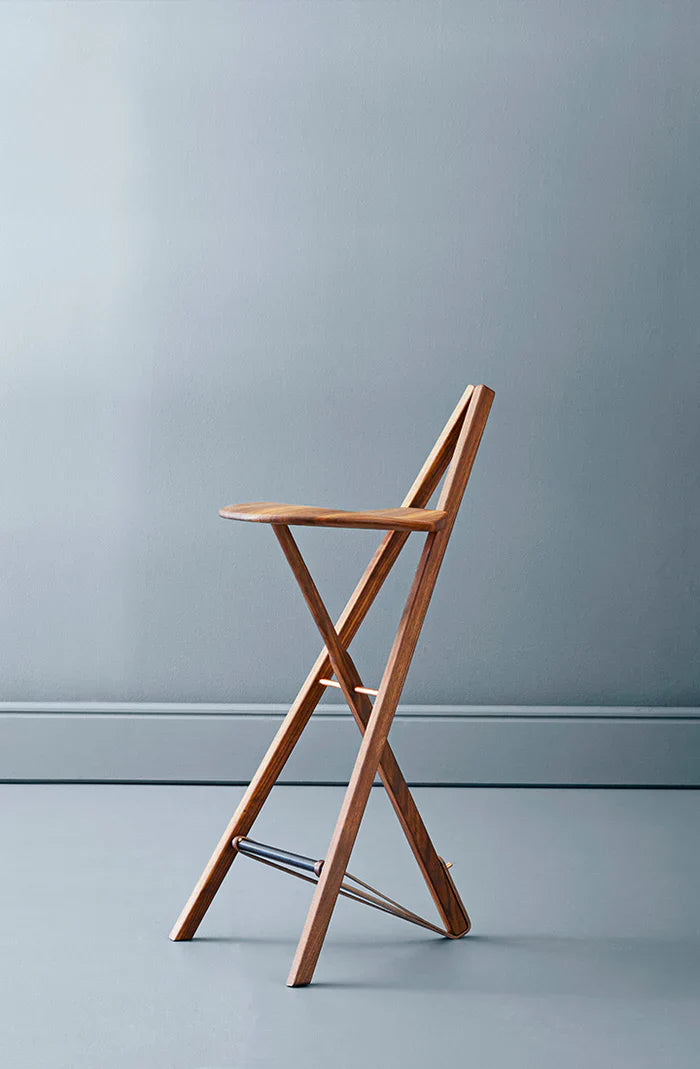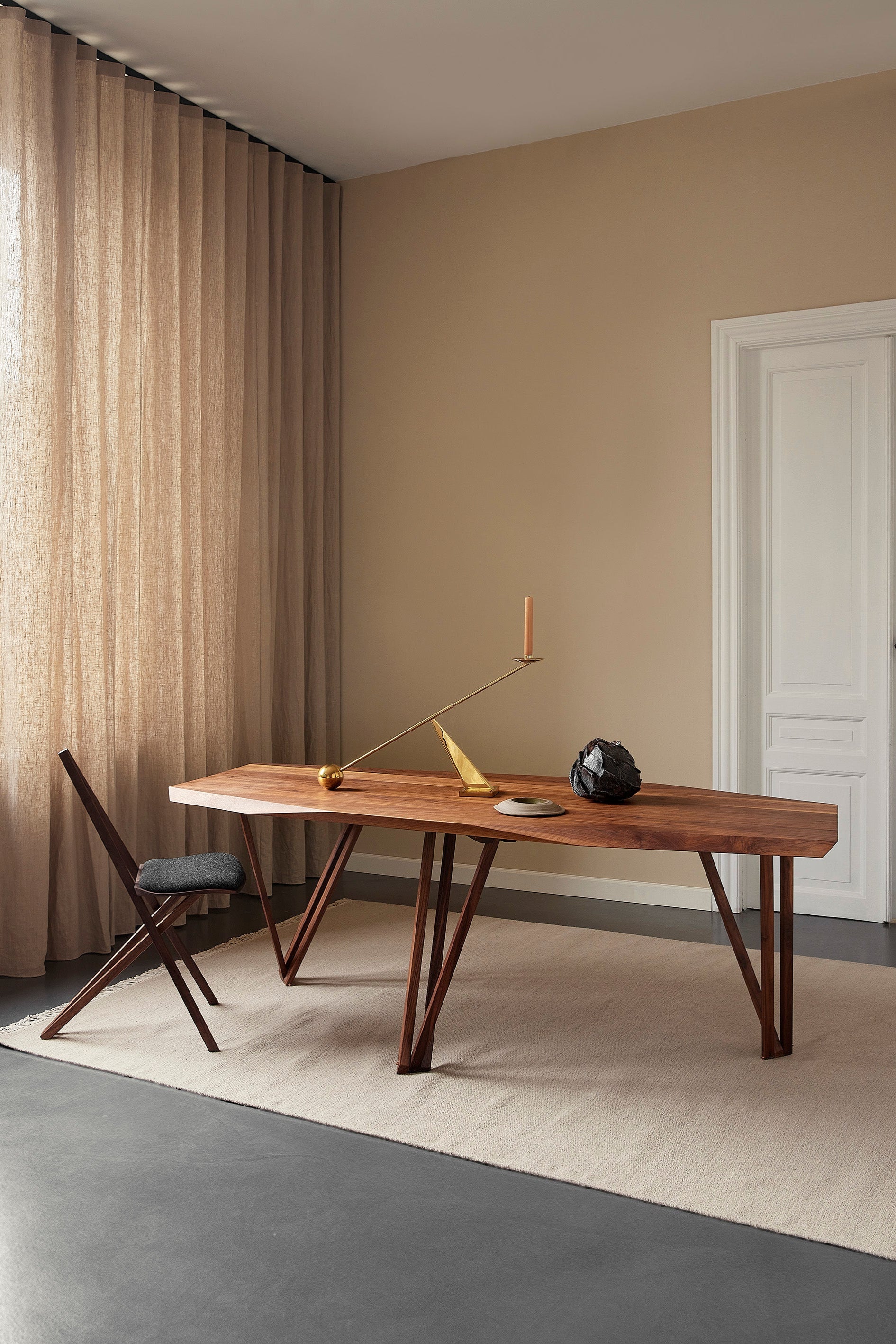
When we cross the threshold of our home, we enter a narrative of who we are and what we value. In a world defined by speed and ephemeral trends, there is a growing yearning for the permanent: a desire for objects that do not merely occupy space but enhance it. Choosing interiors today is about much more than filling a room with functional items; it is about surrounding oneself with objects that possess a soul, a history, and an unsurpassed durability. Investing in high-quality furniture is not merely a financial decision: it is an investment in daily quality of life and a tribute to the fine craftsmanship that can be felt every time a hand brushes across a sanded surface.
The Poetry of Material: Why Investing in High-Quality Furniture Starts with Solid Wood
The core of any high-end piece of furniture is found in the raw material. At Noyer, we work primarily with American walnut, a material that carries a depth and warmth rarely found in mass-produced alternatives. When discussing the benefits of investing in high-quality furniture, it is impossible to ignore the distinction between solid wood and the composite materials that dominate the modern market. While veneers and particle boards have a limited lifespan and often lose their luster after a few years, solid wood possesses a unique ability to age with grace.
The character of walnut is alive. It reacts to the light in the room and the touch of those who use it. Over time, the wood develops a patina that cannot be purchased or forced: a depth in its glow that speaks of dinners shared and hours spent at a desk. By choosing solid walnut furniture, you secure an object that does not just withstand the test of time but actually becomes more beautiful with each passing year. It is this longevity that makes the investment meaningful, as the furniture potentially becomes an heirloom passed down through generations. This is the essence of the modern heirloom: a piece that carries the weight of history while remaining perfectly relevant in a contemporary setting.
Artisanship as an Invisible Luxury
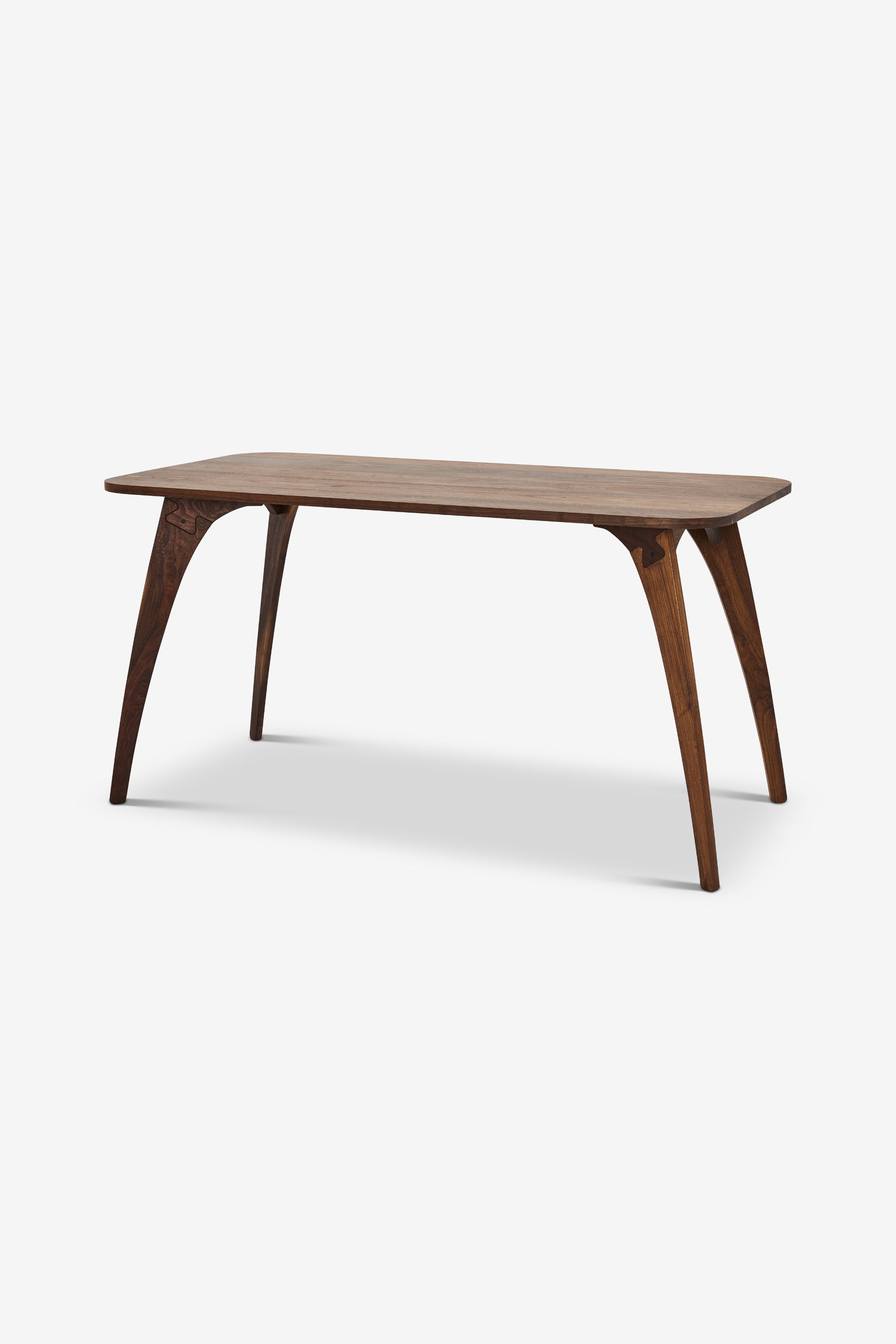
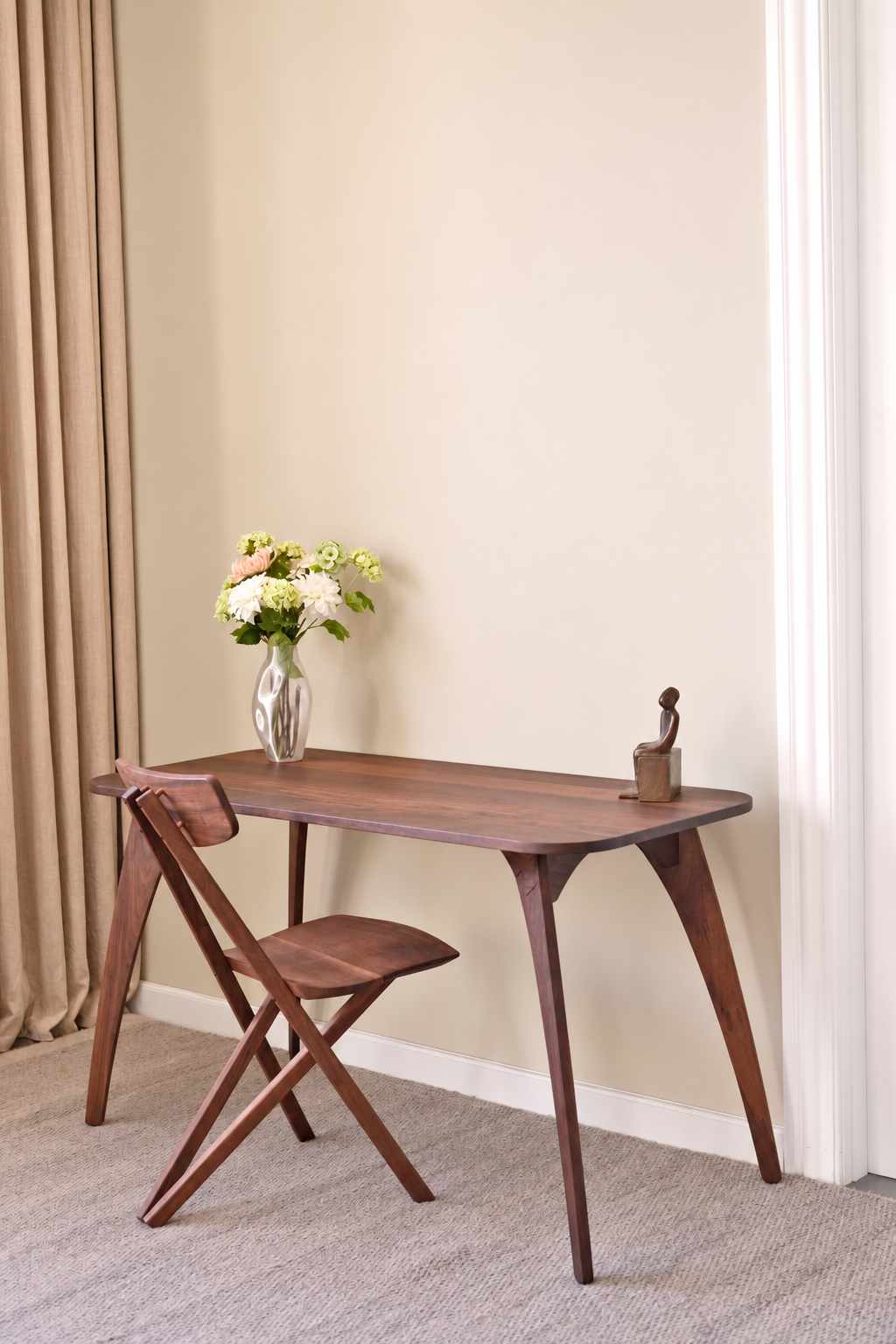
Quality is not always something seen at first glance, but it is always something felt during use. True artisanship distinguishes itself from industrial production through the precision and technical solutions hidden within the construction. Take, for example, our Desk JN13 in walnut wood. Here, the legs are joined with a specialized puzzle joint that we developed ourselves. This detail is not merely an aesthetic flourish: it utilizes the natural strength of the wood to its maximum, ensuring a structural integrity that mechanical fasteners rarely match.
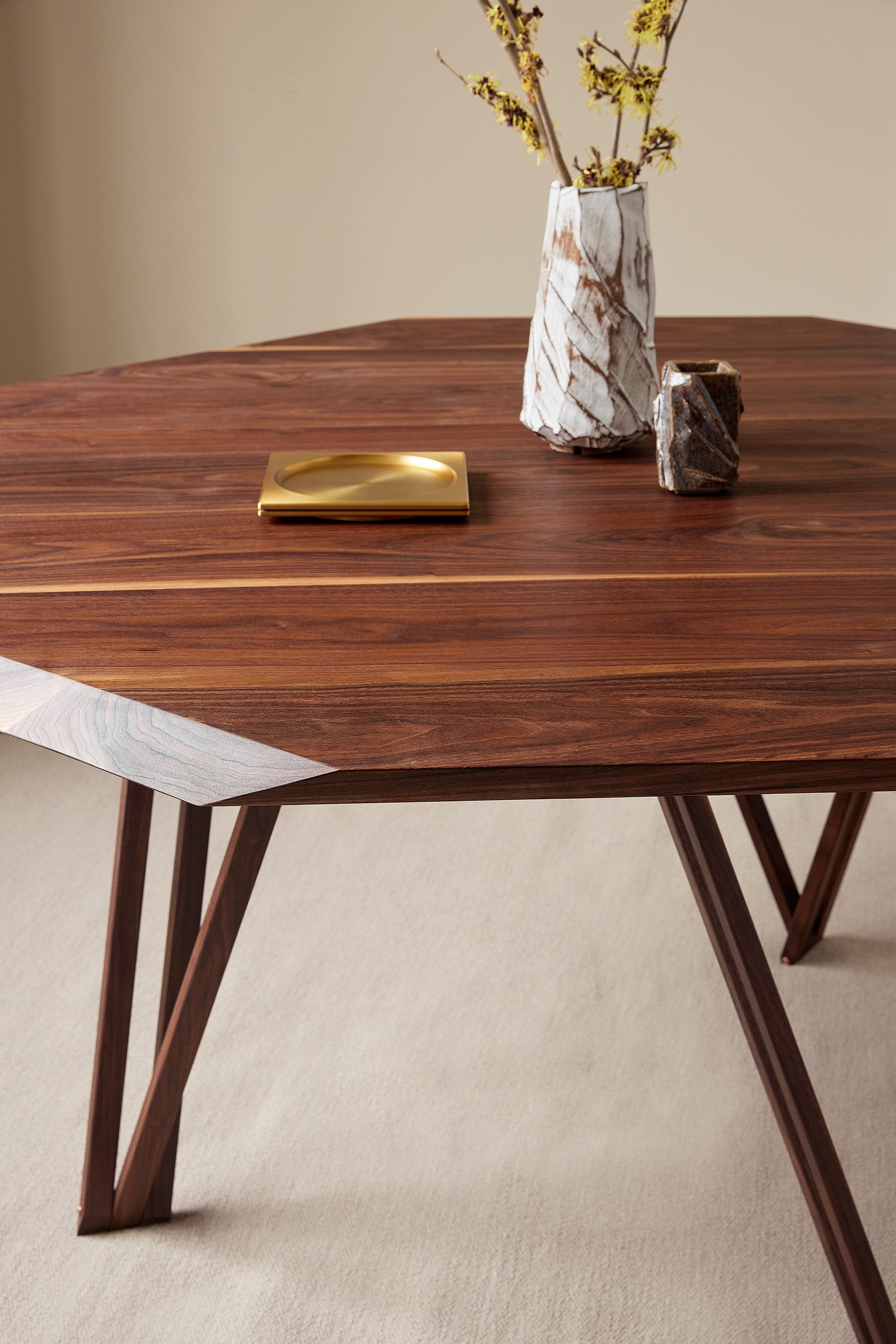
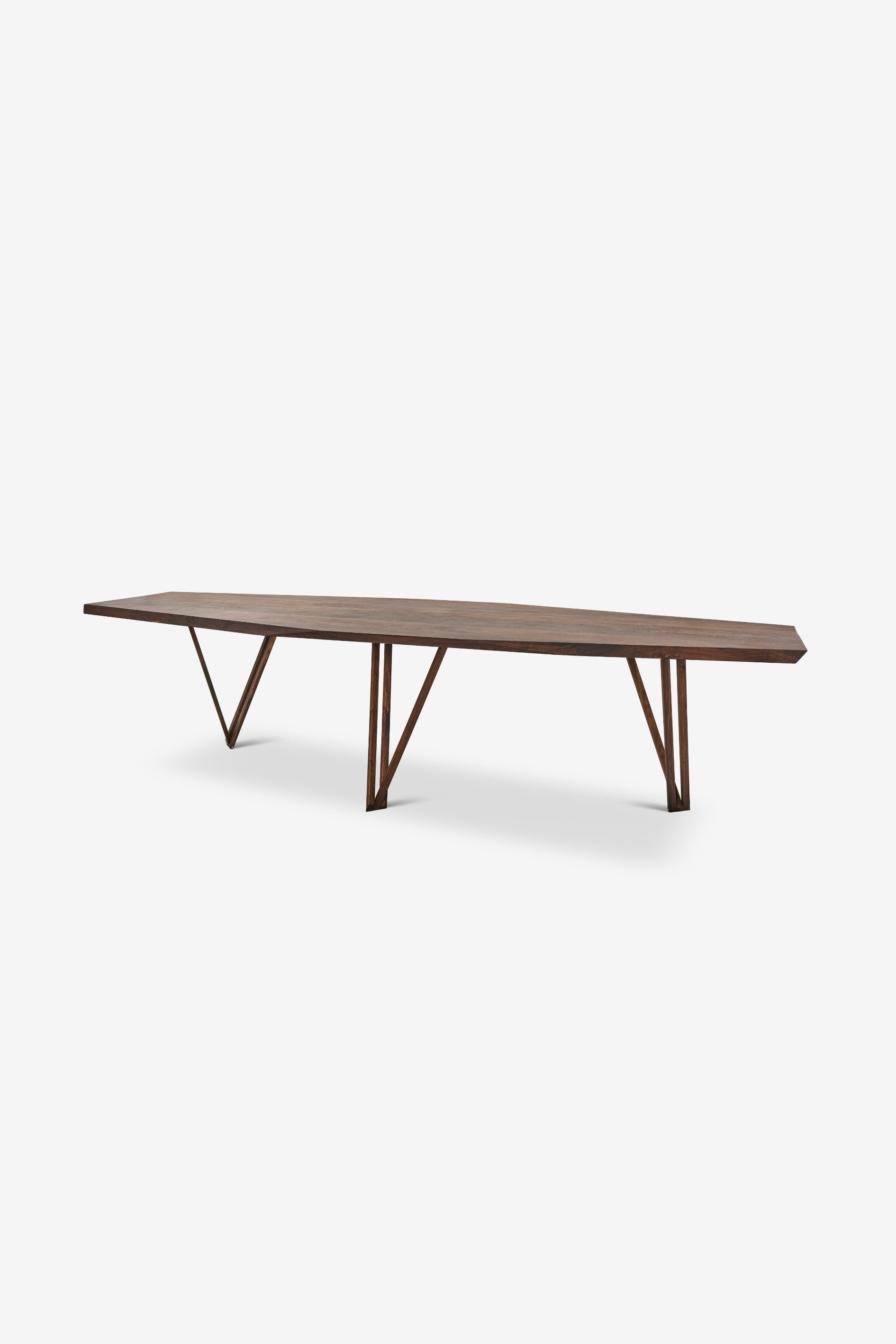
When you invest in high-quality furniture from a workshop like ours in Valby, you are buying into a tradition of uncompromising standards. Every angle is considered, and every surface is hand-sanded until it achieves the perfect tactile sensation. It is this level of detail that makes a piece feel right in a room. It is the difference between a table that simply exists and a piece like our Dining table JN01, which, with its octagonal forms and opposing angles, creates a natural focal point and a sense of visual serenity in the home. This is where Danish design moves beyond mere appearance and becomes an experience of quality.
Design That Outlasts Trends
One of the greatest challenges in modern interior design is avoiding the trap of fast furniture. Pieces designed to follow a specific trend risk feeling dated within a few seasons. High-quality furniture, by contrast, is characterized by a heritage aesthetic. By focusing on sharp yet soft angles and allowing the natural play of the material to lead the conversation, we create designs that remain elegant across changing contexts. Whether your personal style evolves over the next twenty years, a well-designed walnut piece will maintain its relevance and sophistication.
The Economics of the Long View: Why High-Quality Furniture is a Financial Asset
It may seem paradoxical to speak of financial advantages when discussing high-end furniture, but the calculation becomes clear when looking at the total lifecycle of the piece. Cheap alternatives often require replacement every five to ten years due to wear or structural failure. If you instead choose high-quality furniture that can last fifty years or more, the cost-per-year becomes significantly lower. This is the rational side of luxury: buying once and buying well.
Furthermore, there is a substantial resale value in authentic Danish design and solid craftsmanship. Should the need to rearrange or move arise, high-quality pieces hold their value far better than mass-produced goods. It is also worth noting that maintenance is straightforward. Should a scratch or mark occur on a solid wood surface, it can, in most cases, be repaired with light sanding and a fresh oil treatment. You can read more about this in our care and maintenance guide, which ensures your investment remains in peak condition for decades.
From Function to Feeling: Tactile Joy and Ergonomics
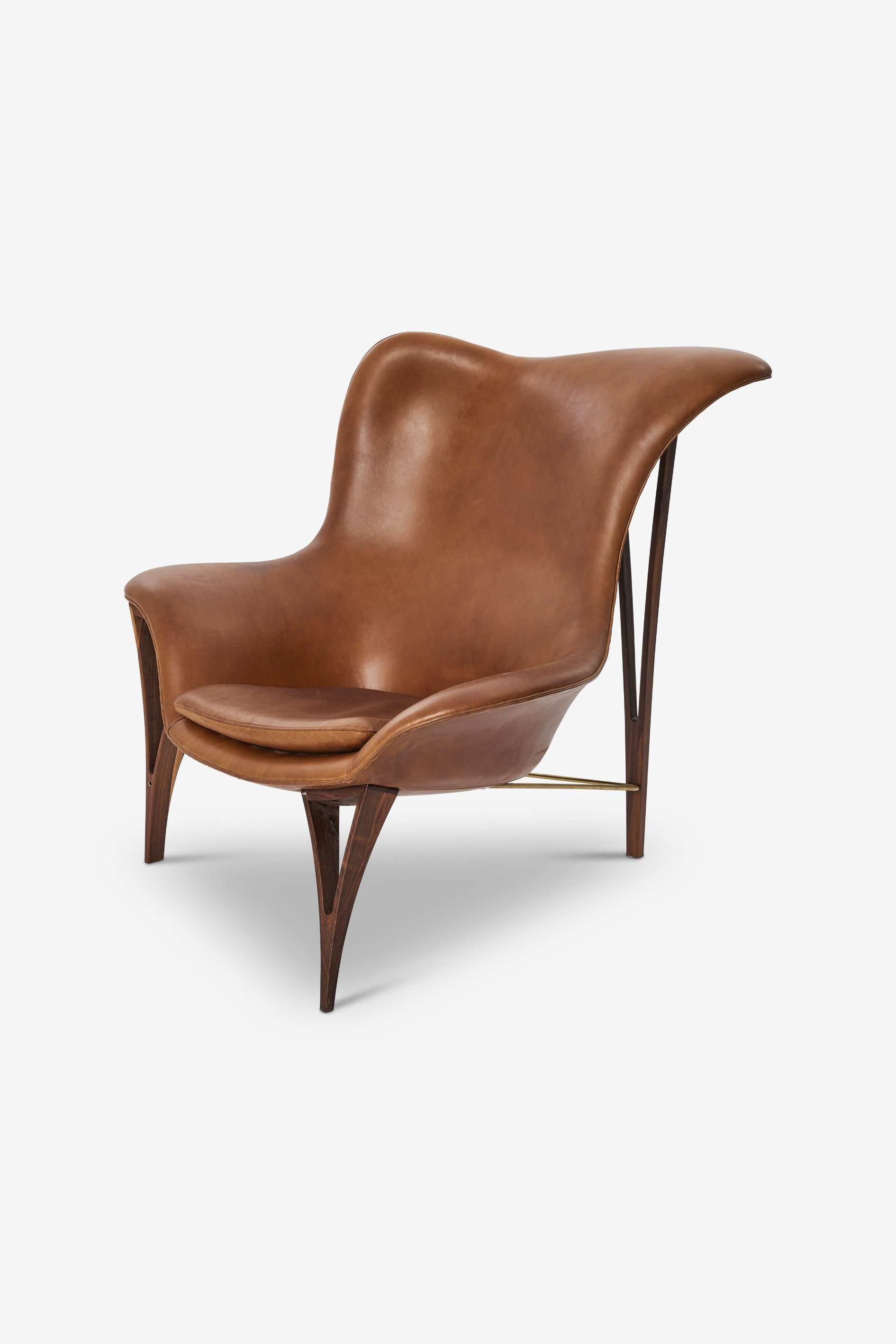
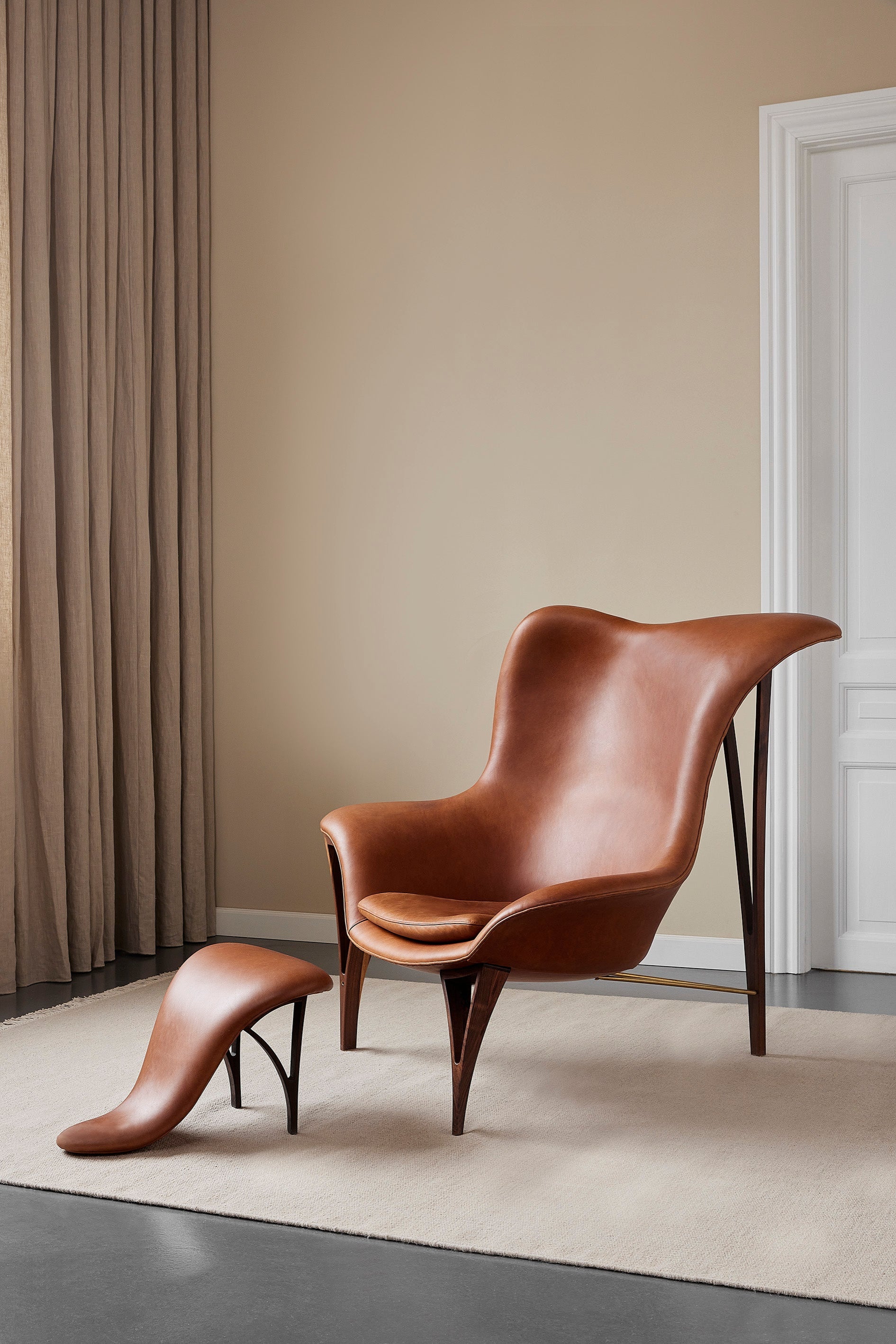
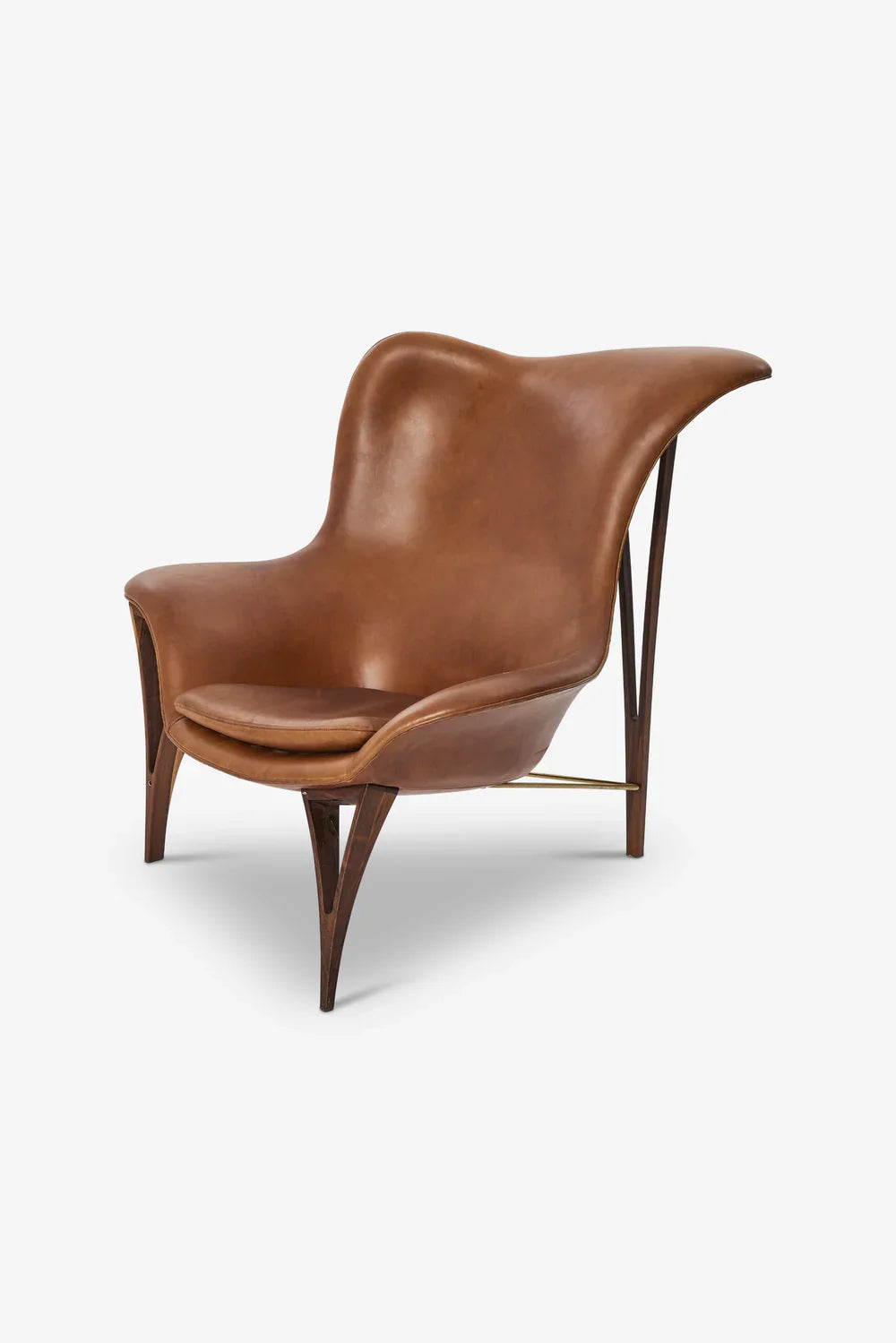
Interior design is deeply sensory. We touch our furniture many times a day, and the quality of surfaces and upholstery plays a decisive role in our well-being. A chair is not just a place to sit: it is a support for the body and a source of rest. Our Armchair JN07 Leather is a prime example of how form and function merge. The design was created with an understanding of the body's natural asymmetry when relaxing, and the materials—both the leather and the walnut frame—were chosen for their ability to provide a luxurious and secure experience.
When you choose high-quality chairs or tables, you are also choosing ergonomics that have been considered from the outset. It is about the correct pitch of a backrest, the perfect height of a tabletop, and the way light breaks across the wood grain. These small nuances contribute to a home where one does not just reside, but where one thrives. The psychological impact of natural materials, often referred to as biophilia, suggests that surrounding ourselves with wood and organic textures reduces stress and increases focus, making the investment one that pays dividends in mental clarity.
A Sustainable Perspective on Modern Interiors
Today, sustainability is no longer an option but a necessity. The most sustainable action we can take as consumers is to buy less but better. By investing in high-quality furniture, we reduce the resource consumption associated with the constant production and disposal of short-lived products. At Noyer, we see it as our primary mission to create furniture that never ends up as waste. Our use of natural materials and our focus on durable constructions are our contributions to a more responsible consumer culture.
Choosing Danish-made craftsmanship also means shorter transport routes and a level of transparency in production that is difficult to find in global supply chains. You are always welcome to visit our showroom to see the process up close and feel the quality with your own hands. Here, we can also discuss custom dimensions, ensuring your new piece fits perfectly within your home and meets your specific needs. This bespoke approach ensures that the furniture is tailored to your life, further cementing its place as a permanent fixture in your home.
Investing in high-quality furniture is ultimately a declaration of love for your home. It is the decision to prioritize substance over surface and longevity over quick fixes. When you choose a piece created with care, you bring a fragment of nature's calm and the pride of the craftsman into your daily life. It is an investment that rewards you every single day, whether you are sitting down for a meal or leaning back in a chair, feeling that everything is exactly as it should be.