When meat comes off the heat and has rested, the work moves from the pan or oven to the board. Slicing and carving place clear demands on the surface: it needs enough weight to stay steady against the countertop, moderate resistance that protects knife edges, and a way to contain rendered juices as you slice.
Wood or Plastic for Cutting Meat?
Choosing between wood and plastic often comes down to hygiene, blade care, and longevity. Food safety research shows that solid wood surfaces absorb moisture and inhibit bacterial growth naturally. On plastic cutting boards, deep knife grooves tend to trap moisture and food residues over time unless cleaned at high dishwasher temperatures.
Regardless of material, standard food safety guidance is clear: always keep raw meat separate from ready-to-eat foods, and wash or switch cutting boards immediately after contact with raw proteins to prevent cross-contamination.
For carving cooked roasts, solid hardwoods such as walnut provide clear benefits for kitchen knives. Unlike rigid glass, marble, or slate surfaces that deform and dull a sharpened edge, walnut yields gently under pressure, helping knives stay sharper through repeated slicing.
The Practical Function of a Juice Groove
Resting and carving cooked poultry, roasts, or steaks releases liquid. Without a perimeter channel, juices quickly spill over onto the countertop or dining table. A cleanly routed juice groove collects these fluids, keeping work surfaces tidy and letting you pour flavorful juices directly into gravies or pan sauces.
Within our collection of chopping boards, two designs are built specifically for carving and serving:
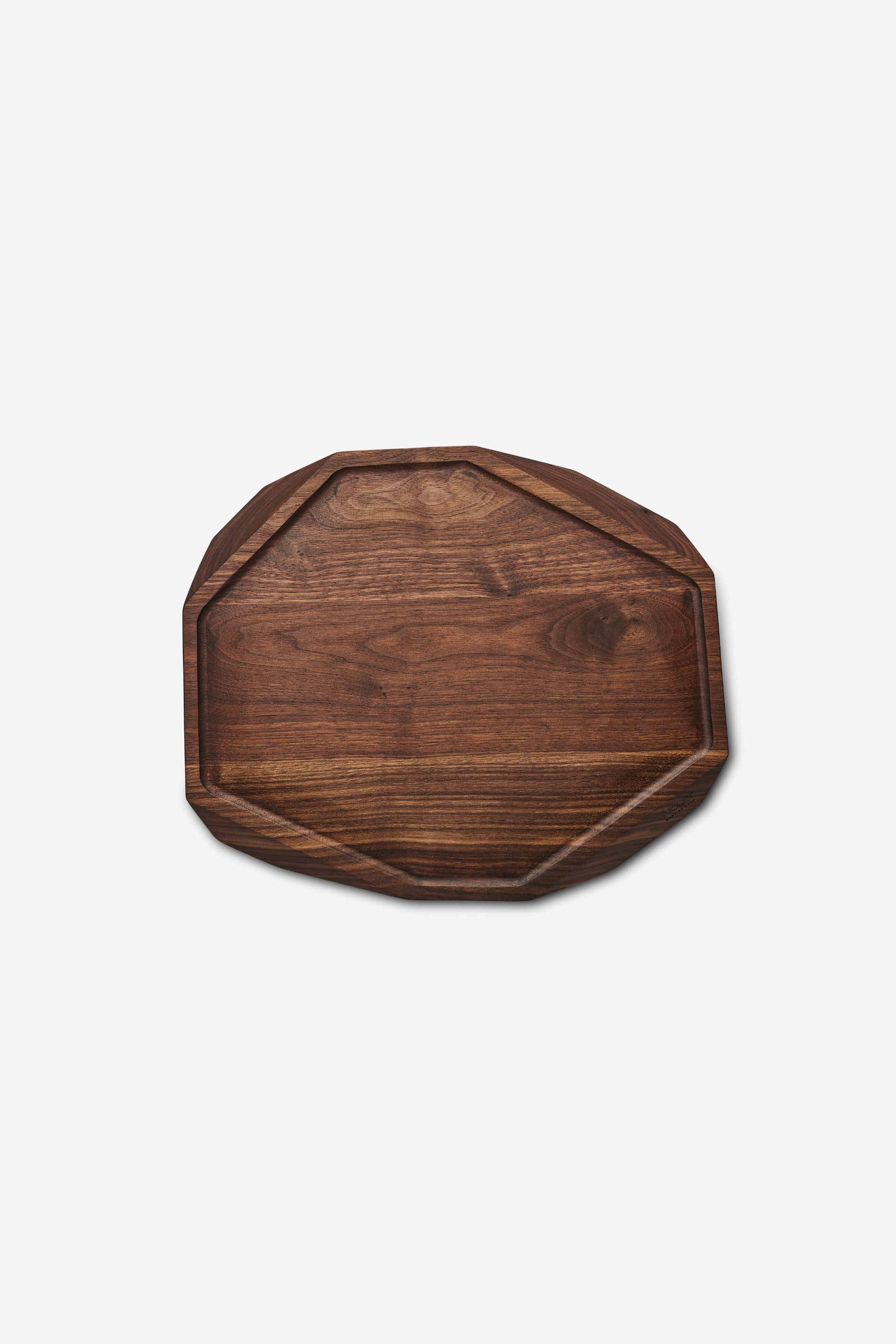
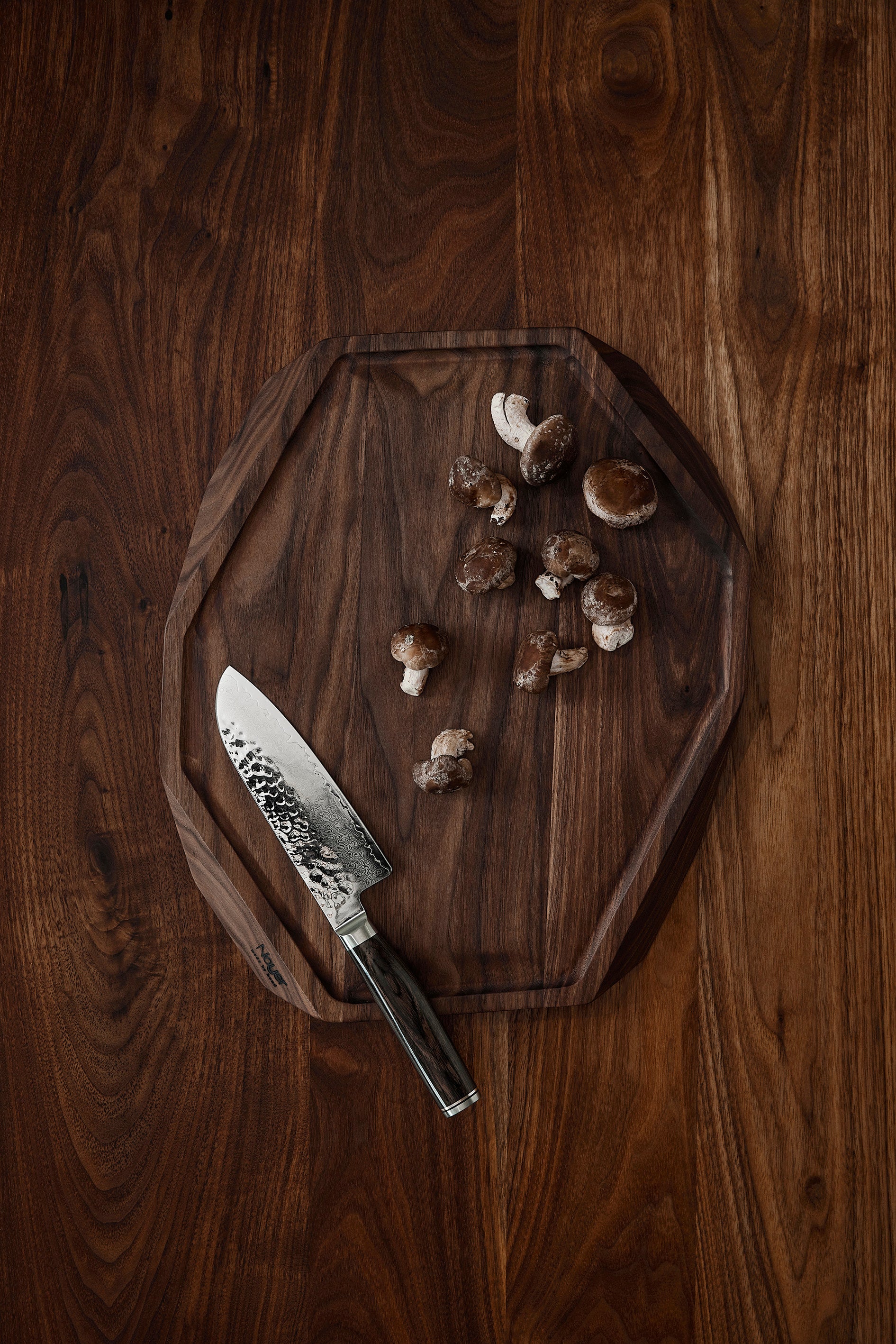
- Chopping Board with Juice Groove: A classic format featuring a milled juice groove on the top surface, sized for everyday kitchen tasks and smaller roasts.
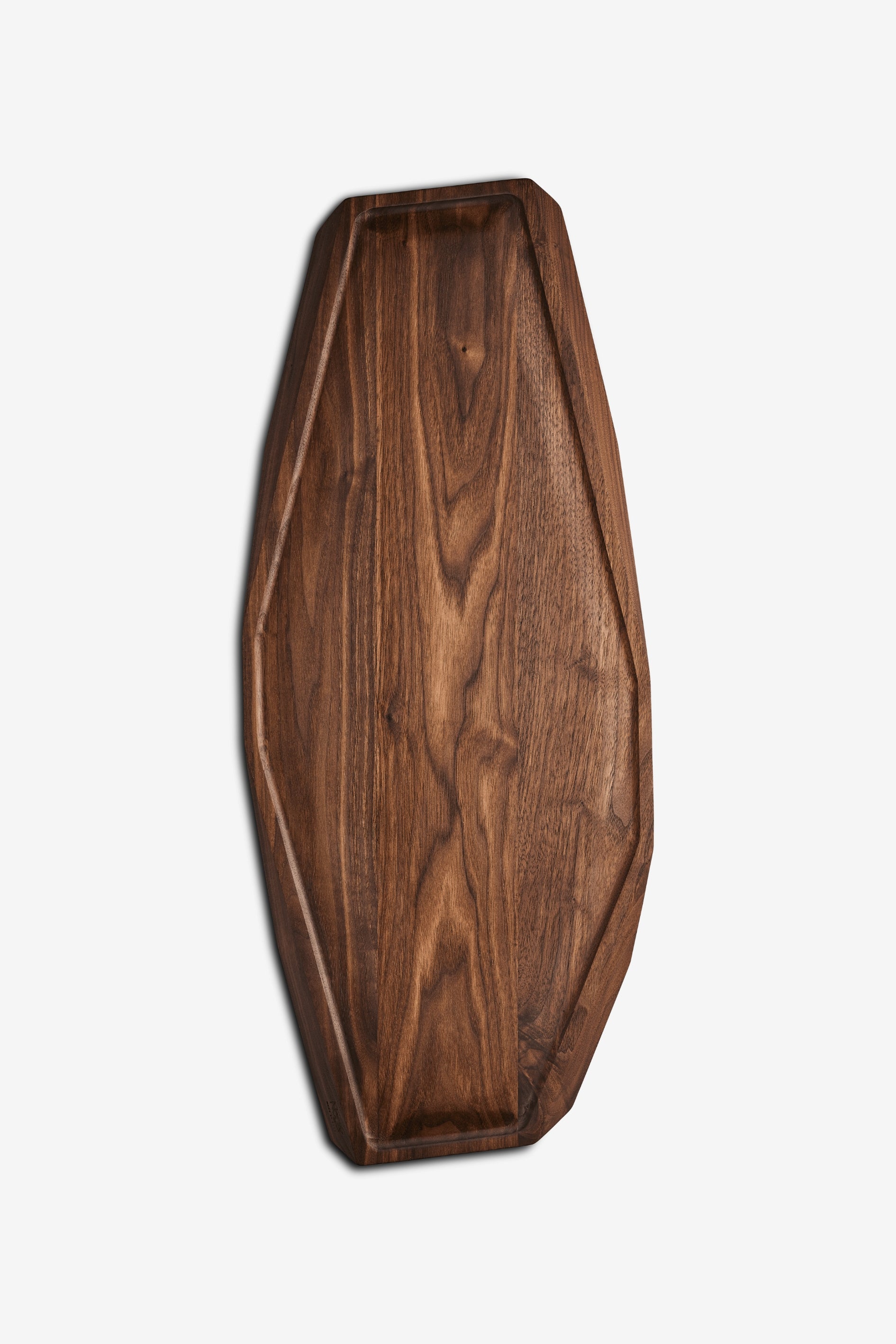
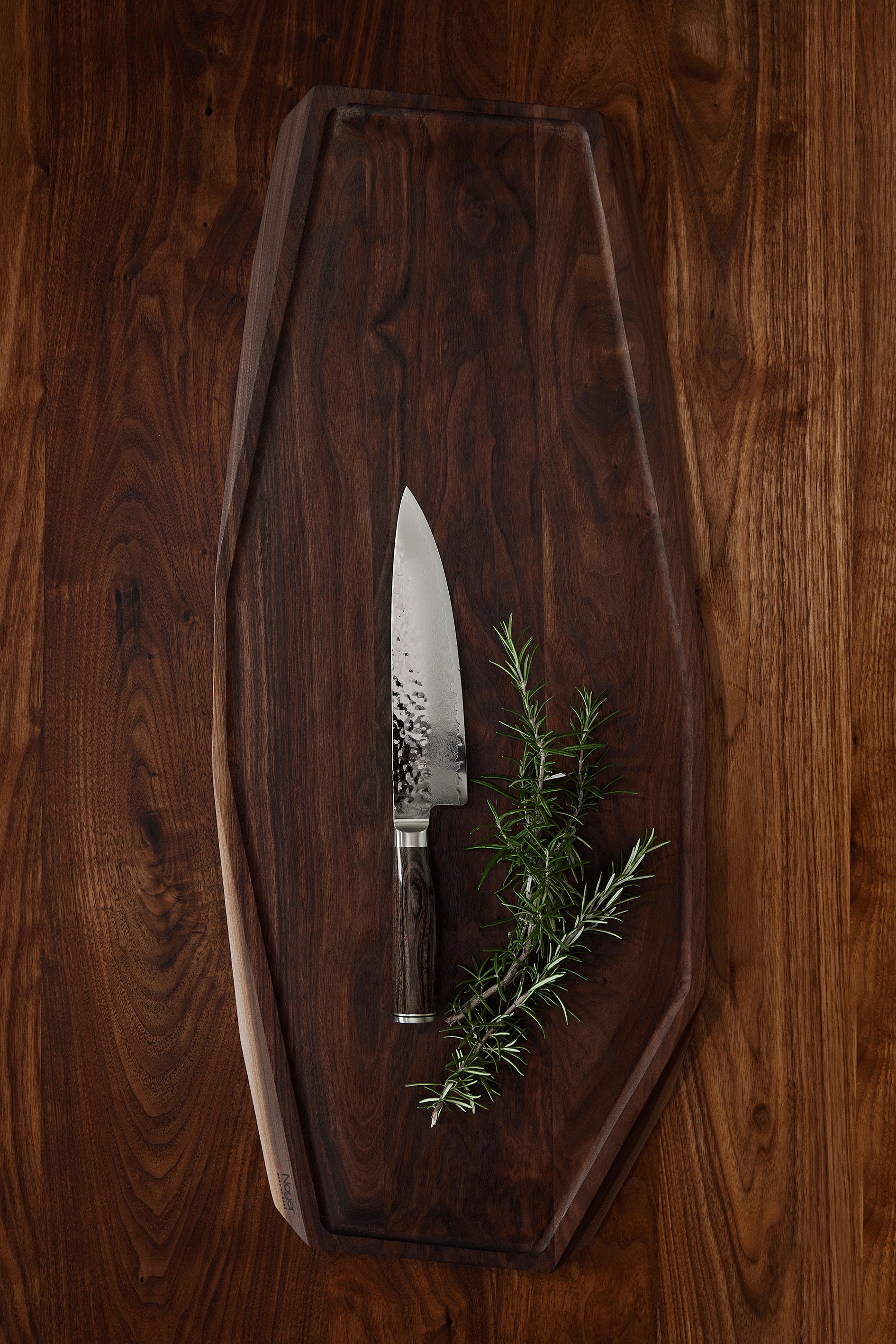
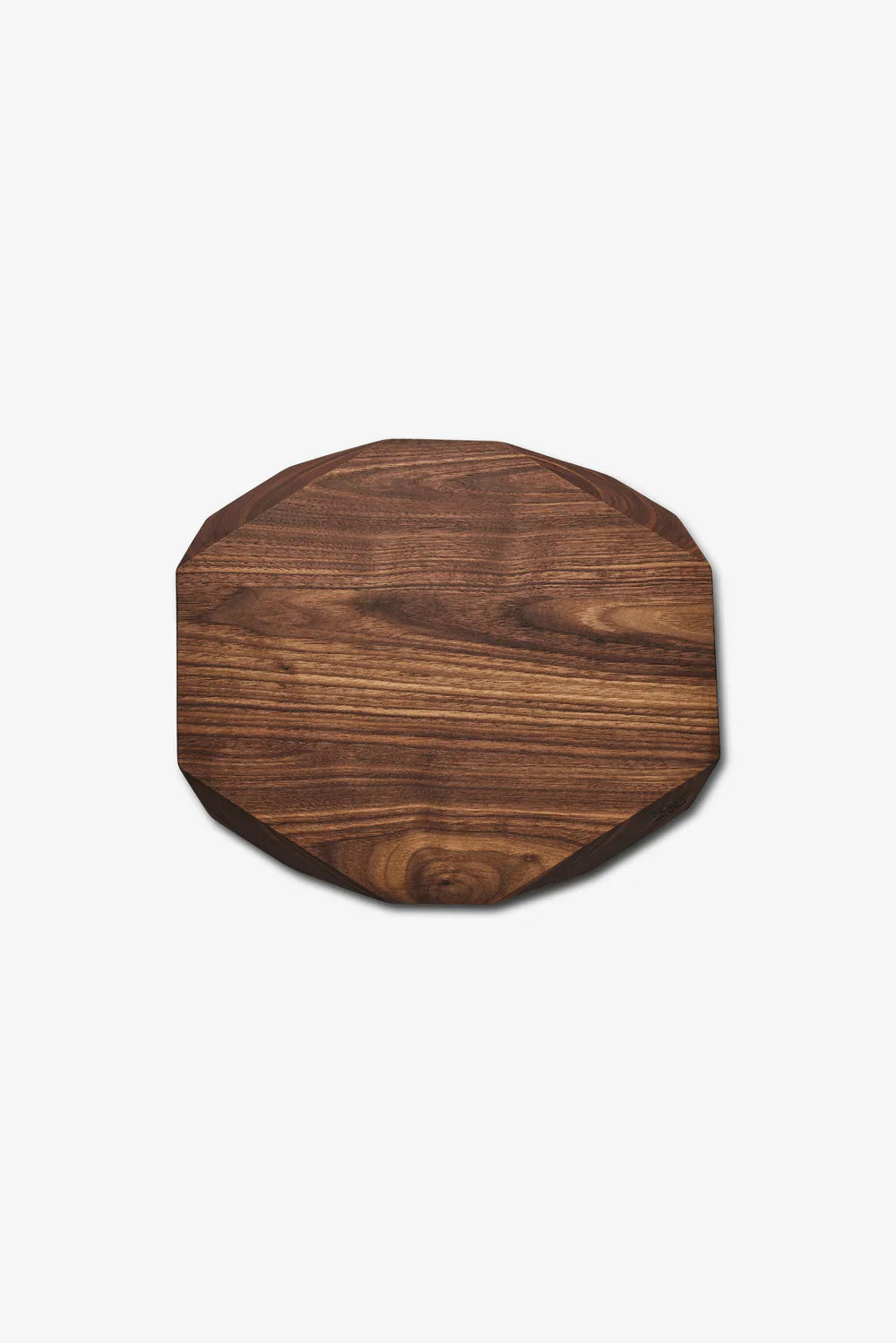
- Carving board: A larger solid walnut board with a dedicated juice groove, offering ample workspace for handling large roasts and substantial family-style servings.
Both models are handcrafted from solid walnut, with individual boards selected for their specific grain patterns and natural contours.
From Kitchen Counter to the Dining Table
A solid Carving board carries enough natural weight to stay anchored while you slice through thick cuts of meat. The rich tones and grain of walnut also make the board suitable for carrying cooked roasts directly to the table, allowing you to carve and serve in front of your guests.
Cleaning and Maintaining a Wooden Carving Board
Proper cleaning and routine care protect the structure and surface of hardwood boards over years of regular use:
- Wash by hand: Clean the board with warm water and mild dish soap immediately after use. Never soak a wooden board in water or place it in the dishwasher, as excess moisture and high heat will cause the timber to warp or split.
- Dry upright: Stand the board on its edge while drying to ensure balanced airflow around both sides.
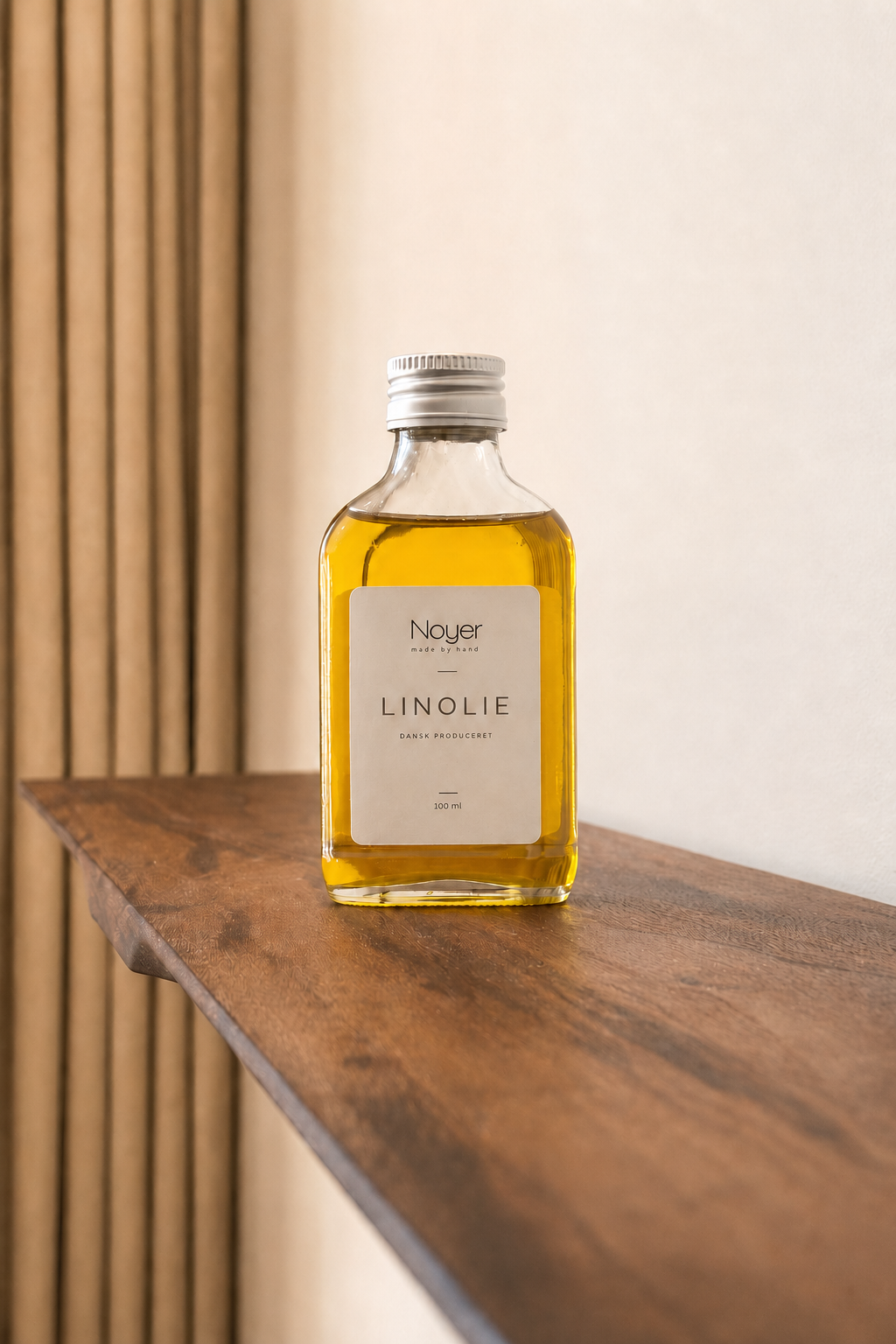
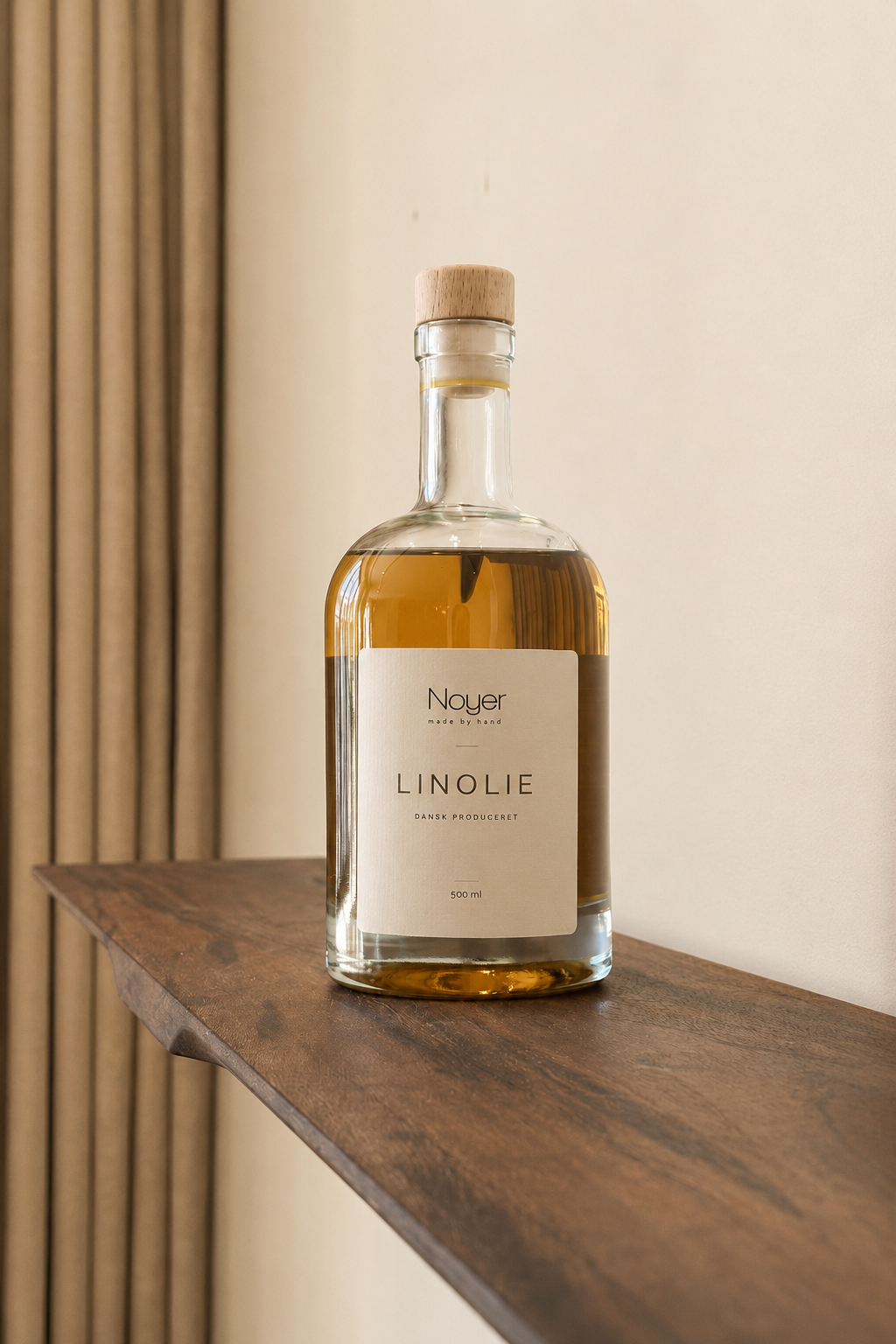
- Refresh with oil: When the wood looks dry or dull, apply a coat of food-safe oil. Our Oil Bottle contains organic, cold-pressed Danish linseed oil that penetrates the wood, enhances its natural colour and grain pattern, and helps restore its warm appearance.
For more details on wood care, read our complete guide to Care and Maintenance.