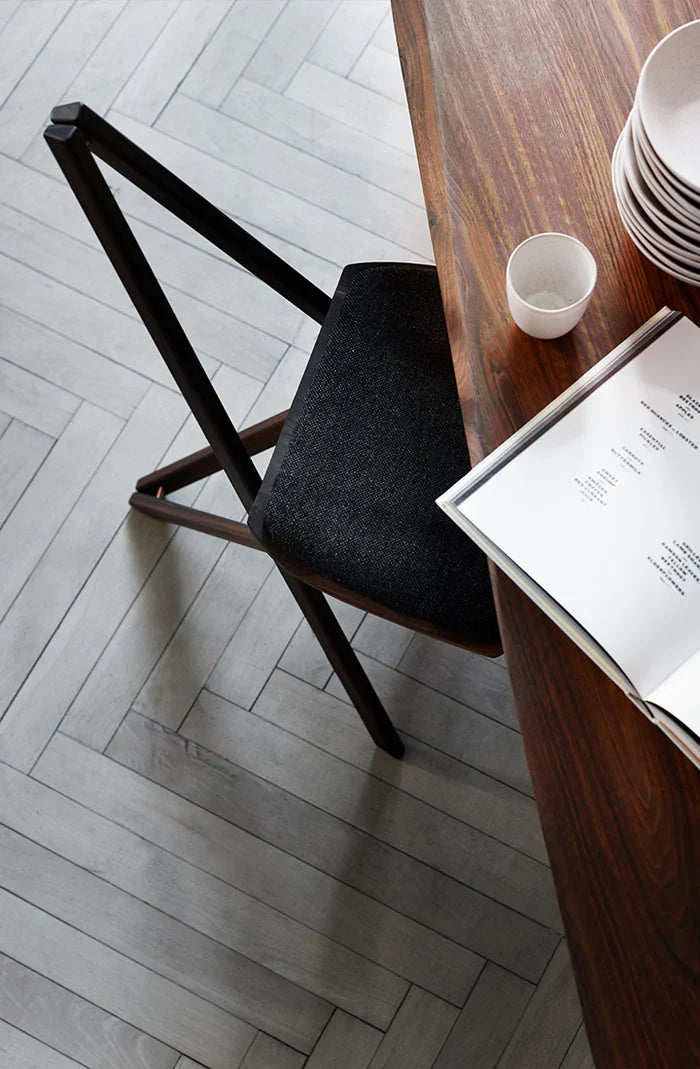
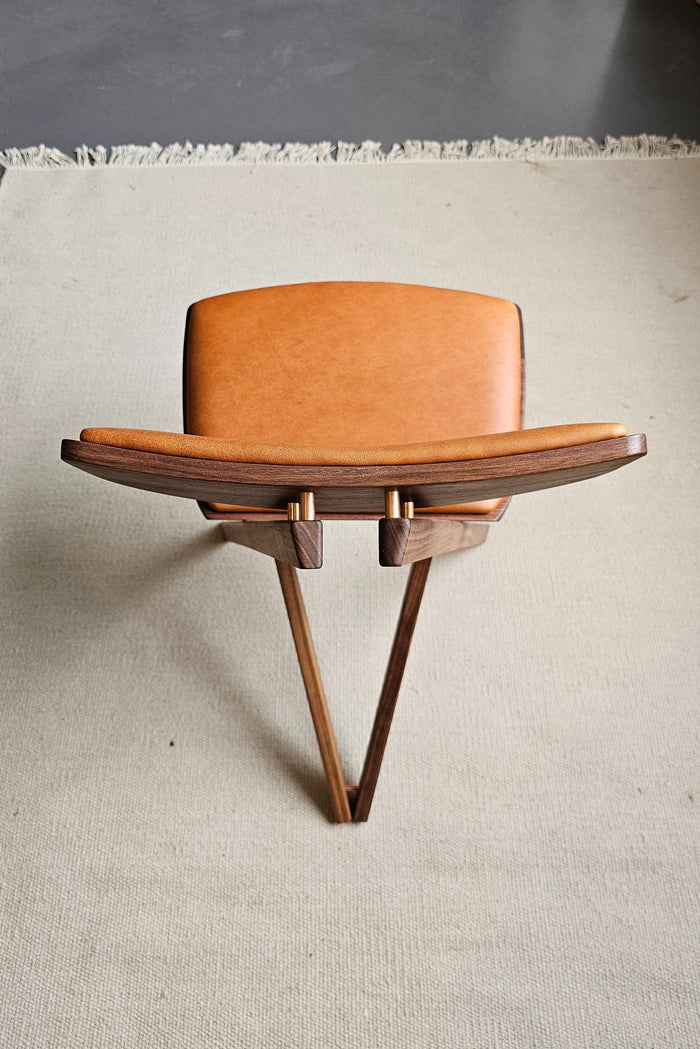
A dining chair must do more than match the finish of a dining table. In open-plan living areas, dining chairs are often seen from behind, set in rows along the table edge. They need to support a short morning coffee as reliably as a long dinner, providing steady lumbar support and natural posture without visual bulk.
Selecting the right dining chairs requires balancing clear geometric clearances with tactile material quality. When proportions, edge profiles, and seating depths align, a chair provides enduring seated comfort throughout daily use.
Seat Height and Table Clearances
Correct seating posture depends directly on the vertical relationship between the chair seat and the table surface. Most standard dining tables stand between 70 and 75 cm high.
Rather than choosing chair height in isolation, prioritize the vertical clearance: maintain a clearance of 25 to 30 cm between the top of the seat surface and the underside of the tabletop. If your table has a supportive underframe or apron, measure this distance to the lowest edge of that apron rather than the tabletop itself. Tables with deep aprons reduce vertical clearance quickly, leaving insufficient room to cross your legs comfortably.
If you prefer chairs with armrests, check the total height of the armrest against the table edge or apron. To slide a chair fully under a dining table when meals are over, the armrest must sit lower than the underside of the table or apron.
Seat Depth, Back Support, and Elbow Room
Seated comfort during long dinners is determined by posture and spacing rather than deep padding alone. Key spatial guidelines include:
- Seat depth: A usable seat depth of 40 to 45 cm allows the occupant's lower back to reach the backrest while leaving necessary clearance behind the knees to avoid restricting blood circulation.
- Elbow room: Plan for 60 to 65 cm of lateral width along the table perimeter for each setting. This spacing ensures guests can move their arms without bumping their neighbors.
- Room circulation: Maintain a perimeter clearance of 90 to 105 cm between the table edge and surrounding walls or cabinetry. This clearance leaves room to push chairs back and walk past seated guests.
Solid Walnut and Upholstery Options
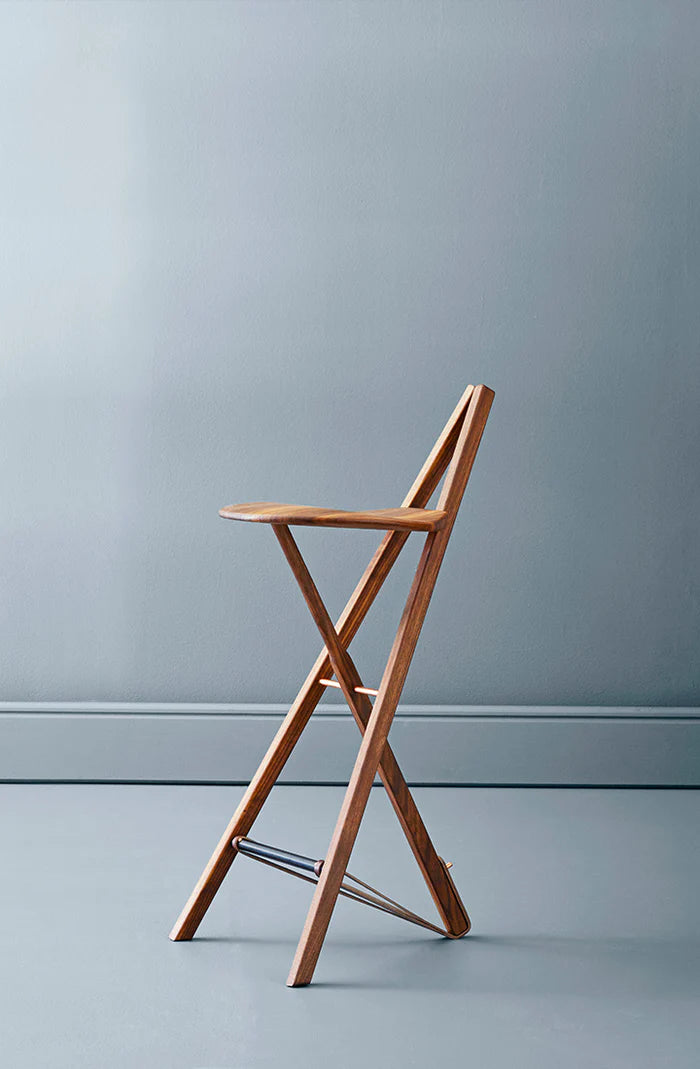
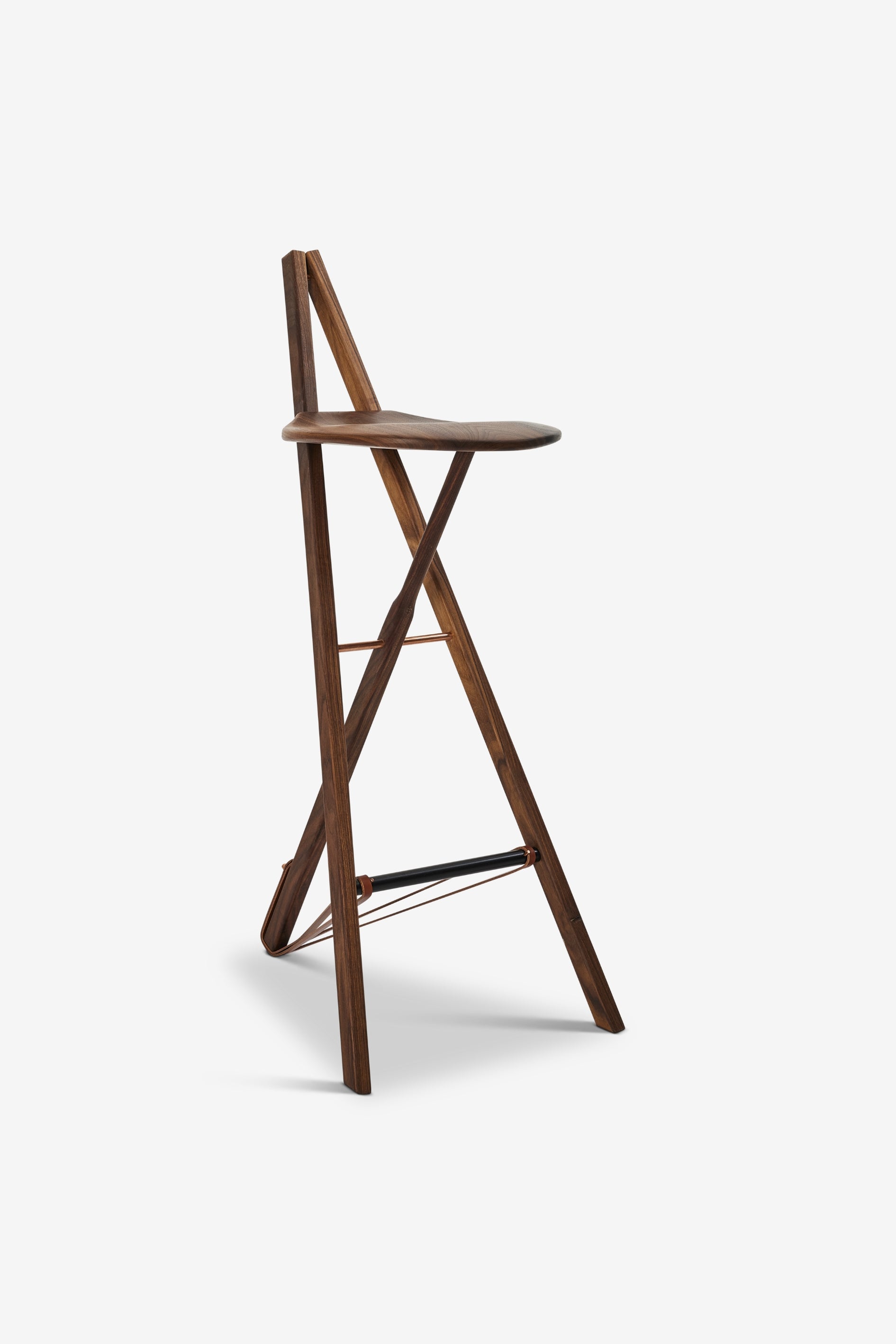
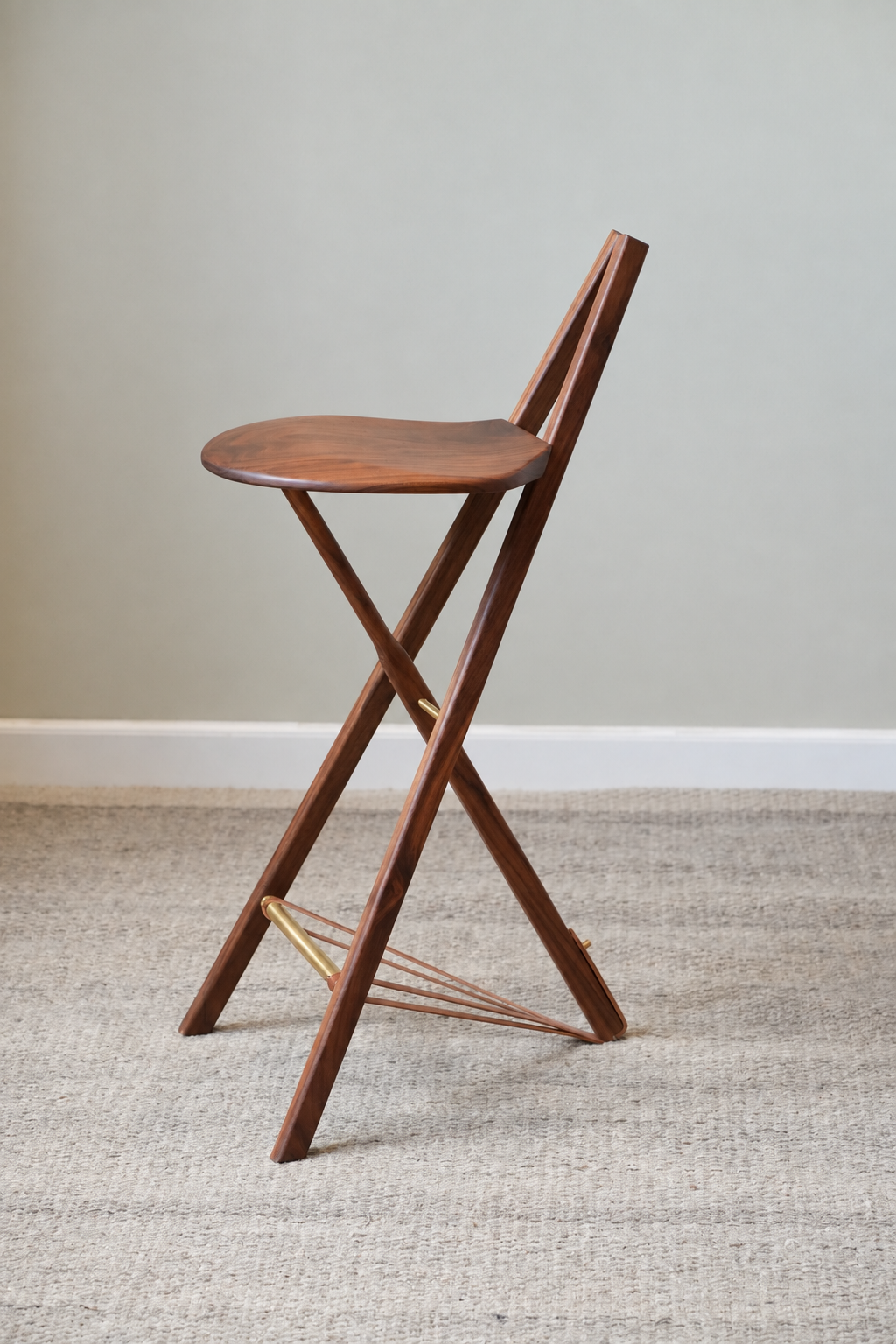
At Noyer, our dining seating is rooted in solid walnut. The natural grain pattern, varied dark tones, and hand-finished surfaces bring visual warmth to bright kitchen-dining spaces. Solid timber backrests and seats provide a firm, tactile surface built for daily use.
For settings that require softer cushioning, adding leather or textile upholstery alters the seated feel. A bare wood seat provides a firm, easy-to-clean surface, while an upholstered pad distributes pressure during extended meals. Exploring models such as the dining chair JN11 or the dining chair JN16 illustrates how solid wood construction pairs with refined seat details to suit different dining habits.
Solid Timber Construction and Care
Solid walnut furniture is designed for daily dining. Selected timber and precise joinery give the chairs a stable structure built to withstand regular use around the table.
For specific instructions on cleaning and refreshing the wood surfaces, consult our care and maintenance guide.