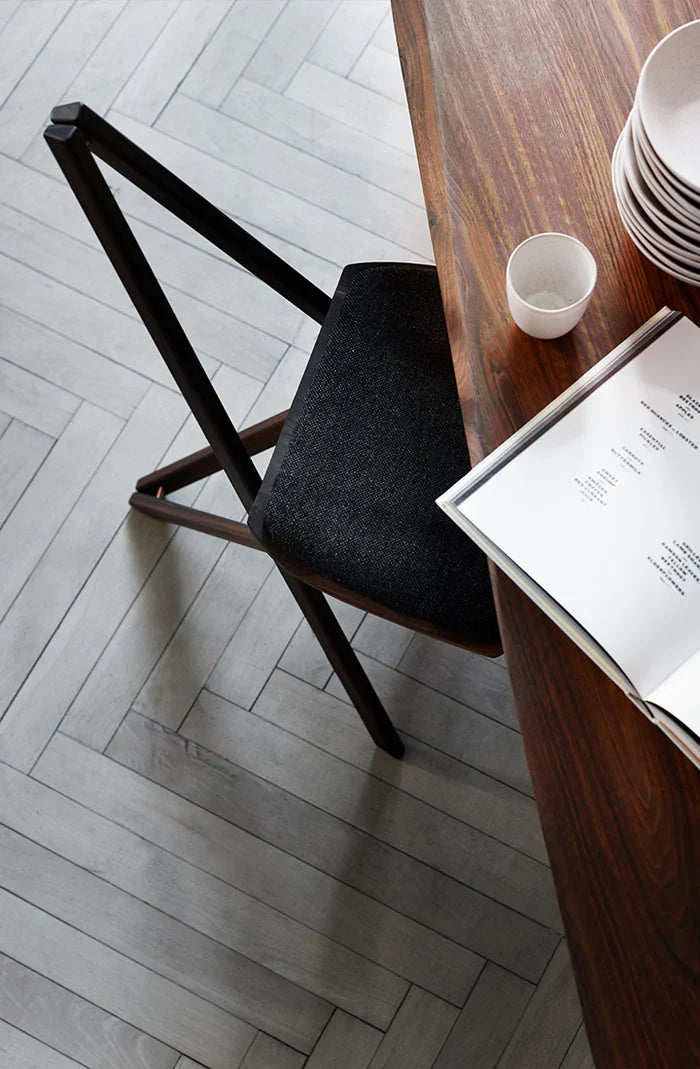
A dining chair is rarely used for eating alone. In a modern home, it is where morning coffee turns into reading the news, where remote work unfolds during the afternoon, and where dinner conversations linger well past dessert. Because people interact with a chair both visually and physically every day, selecting the right design requires balancing ergonomic support with precise spatial proportions.
The Proportions of Seating Comfort
Good seating comfort begins with the relationship between the chair and the table surface. To ensure comfortable legroom and an upright posture without feeling cramped, aim for a vertical clearance of 25 to 30 cm between the top of the seat and the tabletop. For a standard dining table standing 75 cm high, this requires a seat height between 45 and 50 cm.
Tabletop clearance is equally critical when choosing chairs with armrests. Before deciding on an armchair silhouette, measure the underside of the table or apron rail. Ensuring that armrests clear the table structure allows you to slide the chair neatly beneath the tabletop when meals are finished, keeping walkways clear.
Spacing and Room Circulation
Comfort also depends on the space between seated diners and the perimeter around the dining area. To allow natural elbow room and free movement during a meal, each place setting requires approximately 60 to 65 cm of width along the table edge. Between adjacent chairs, leaving about 15 cm of open space makes it easy to stand up or sit down without disturbing your neighbor.
Behind the chairs, circulation paths dictate how easily a dining room functions:
- Pull-out clearance: Maintain at least 90 cm of open perimeter between the edge of the table and the nearest wall or piece of furniture so chairs can be drawn back smoothly.
- Passage clearance: When a dining area sits in an open-plan room or along a main hallway route, allow 100 to 120 cm of perimeter space behind occupied seats to let people walk past uninterrupted.
Solid Walnut: Density and Tactile Warmth
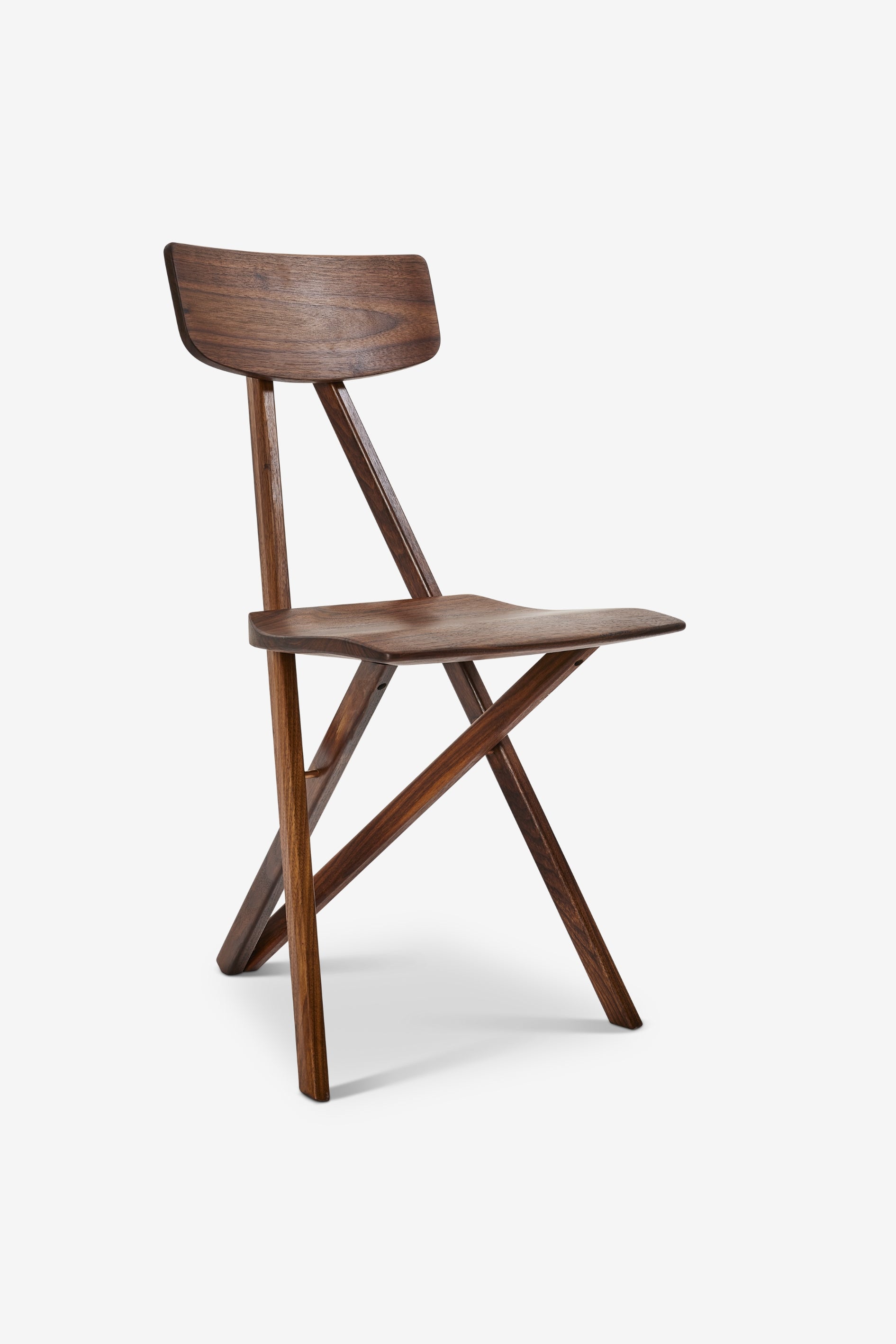
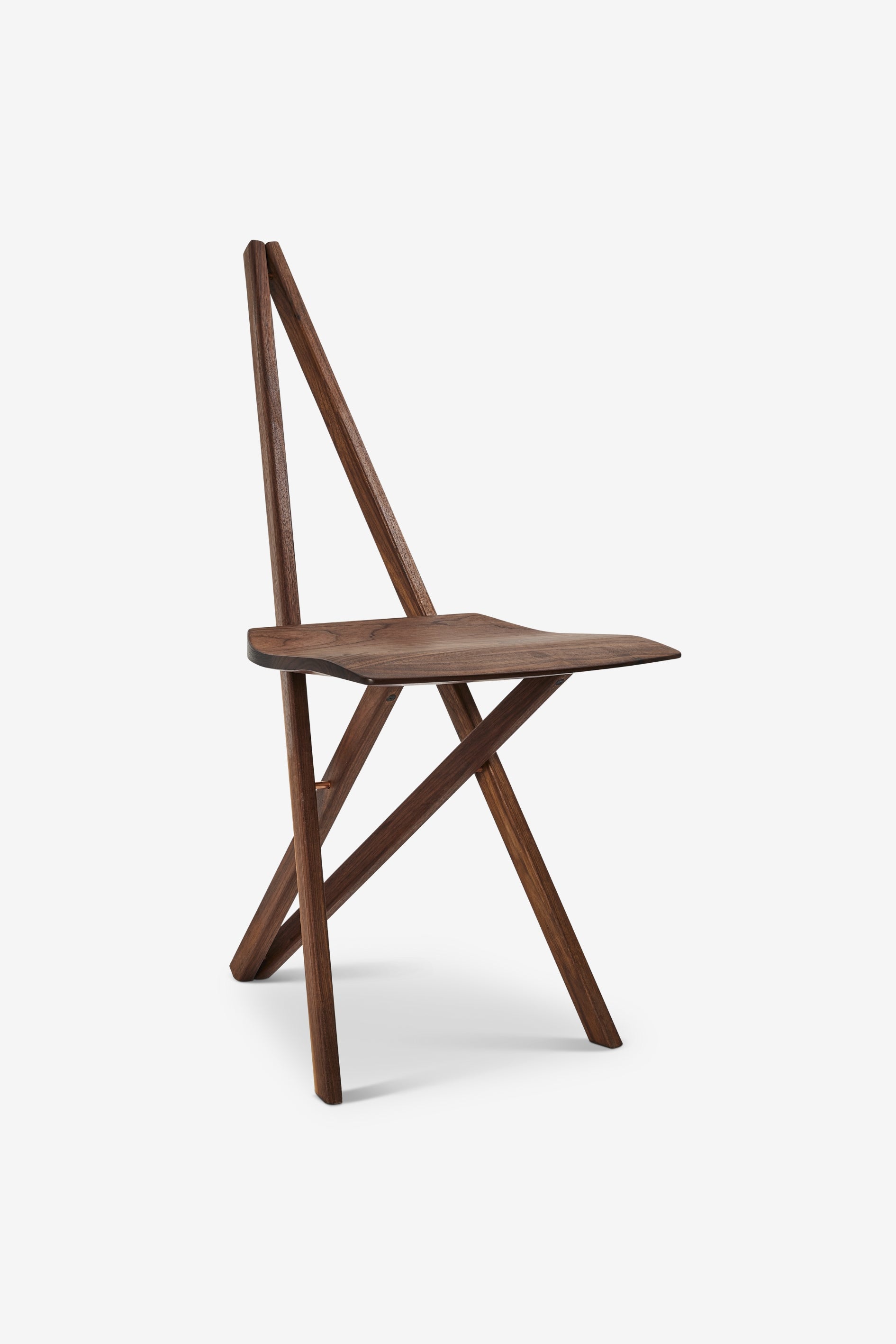
A dining chair must withstand repeated shifting, weight, and daily handling. Crafting chairs from solid American black walnut (Juglans nigra) offers distinct structural benefits. With an average Janka hardness rating of 1,010 lbf, walnut provides dependable shock resistance and stability without unnecessary bulk.
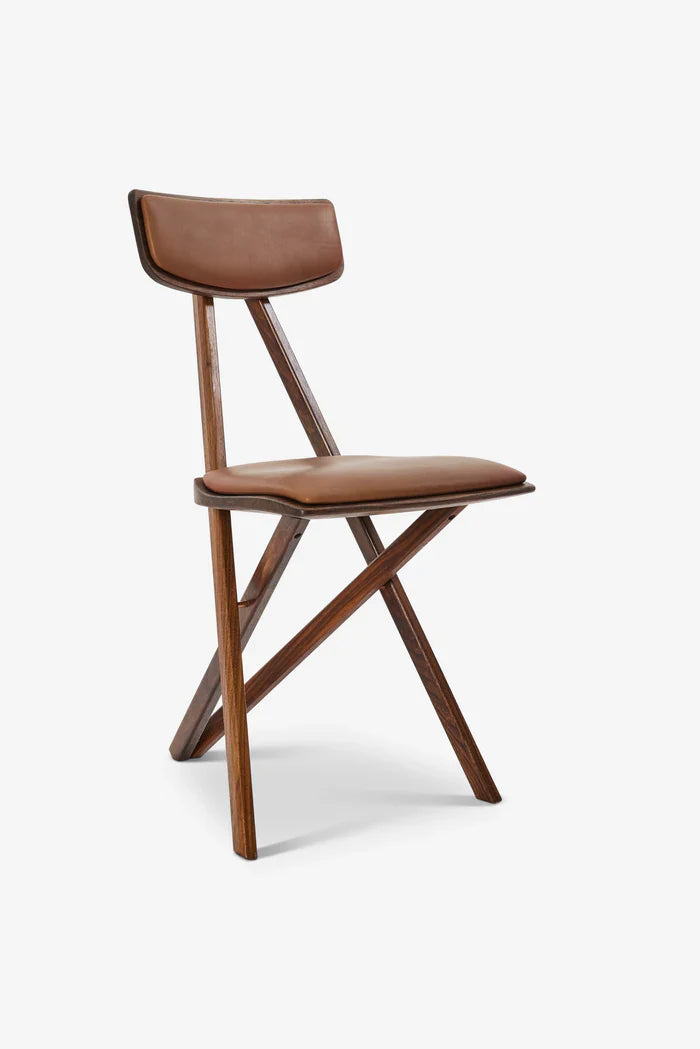
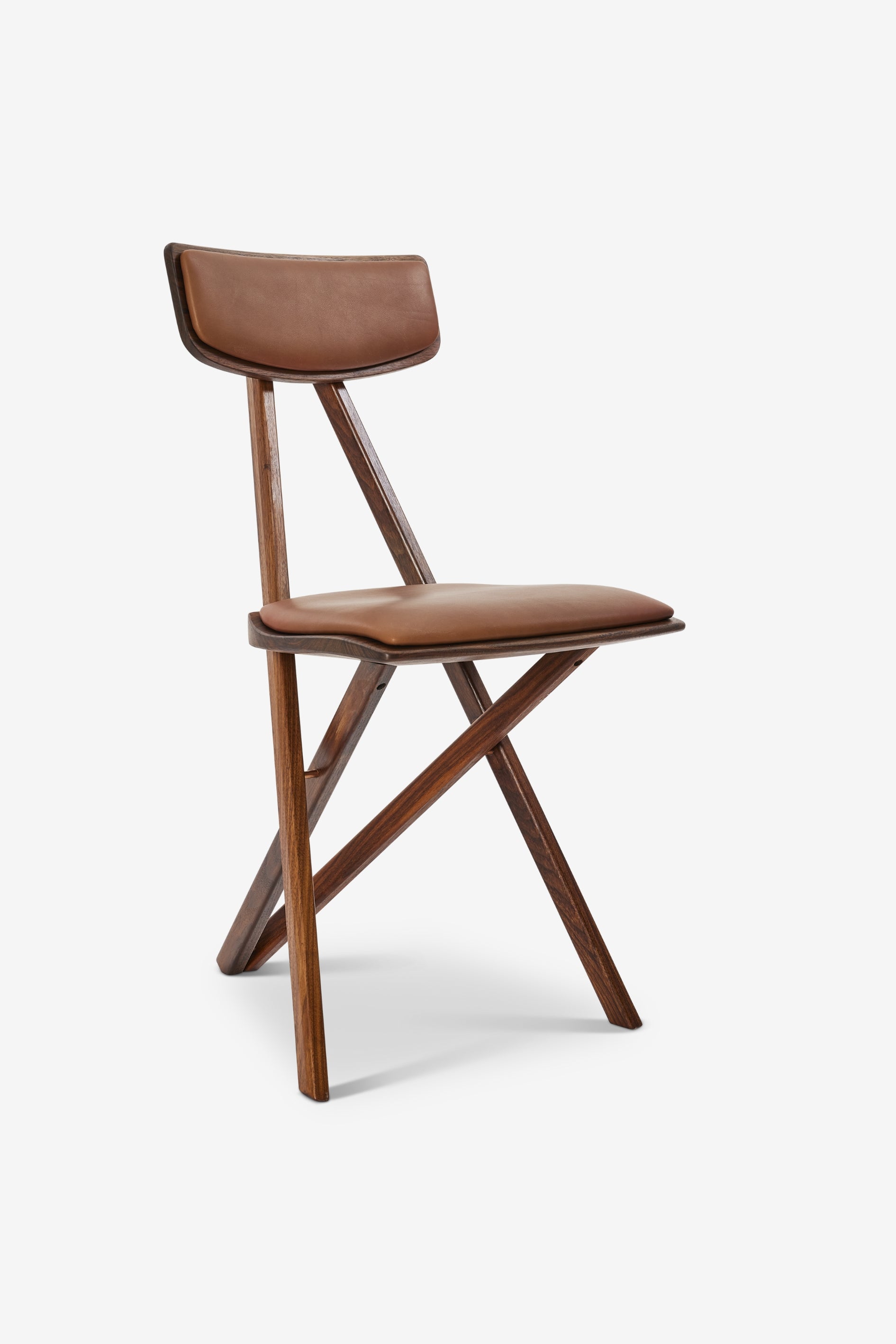
Beyond its structural qualities, walnut brings warmth to the dining space. The varied dark tones and continuous grain flow give every chair an individual expression. Paired with ergonomic backrests and supportive seats, whether finished in tactile solid wood or upholstered in soft leather, each piece offers lasting comfort through quiet, intentional form.
Pairing Chairs with the Dining Table
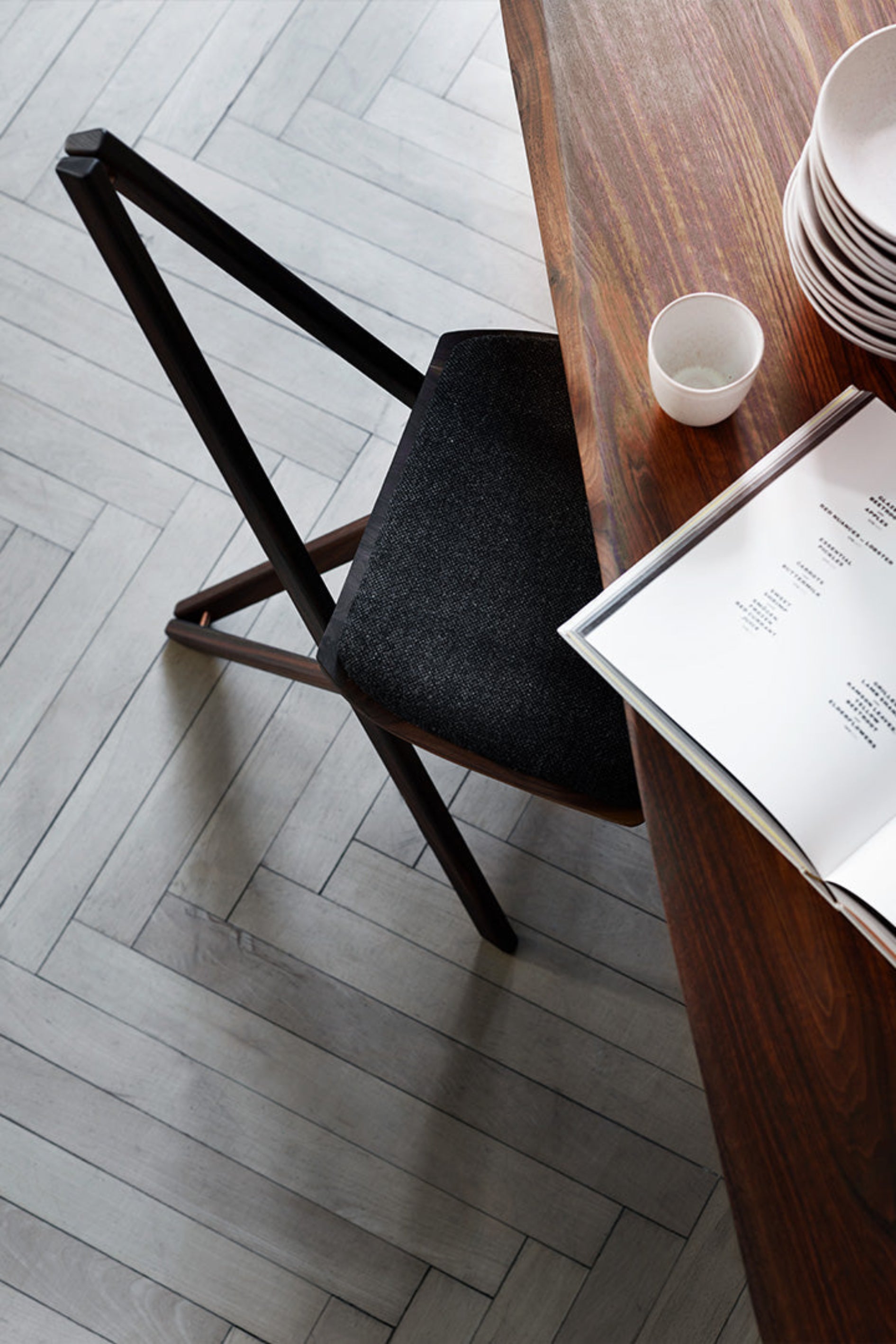
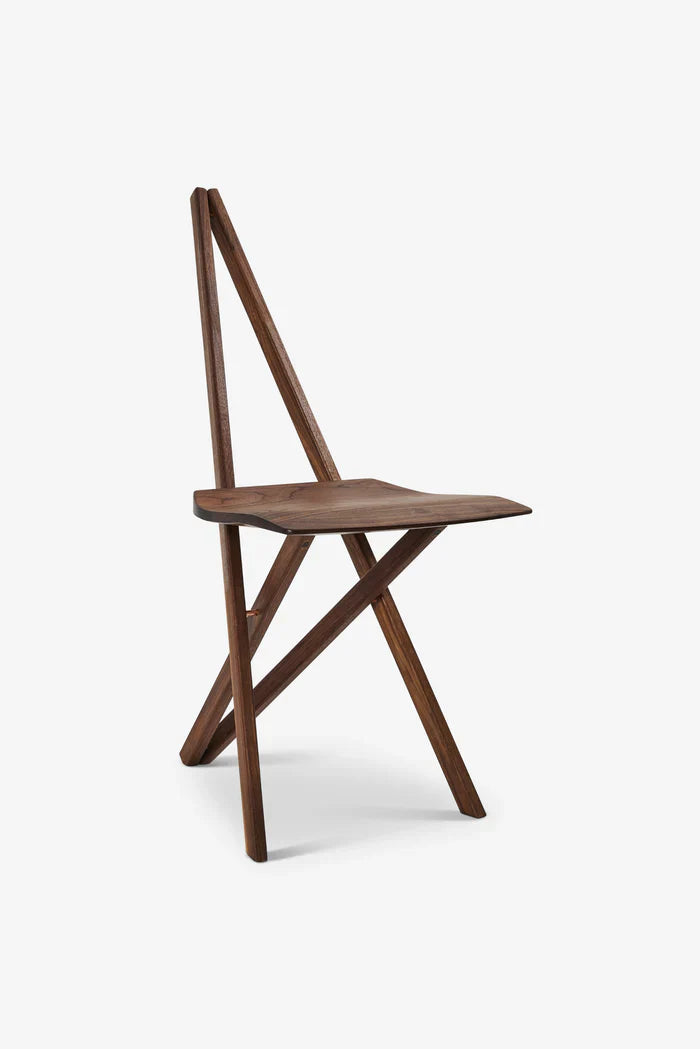
When selecting seating, consider how the chair profiles interact with the lines of your table. In Noyer's collection of chairs, models such as the JN11 dining chair and the JN16 dining chair are detailed with soft angles and refined joinery. Paired alongside solid wood tables, these forms ground the dining space in balanced proportions, honest craftsmanship, and durable materials meant to be enjoyed every day.