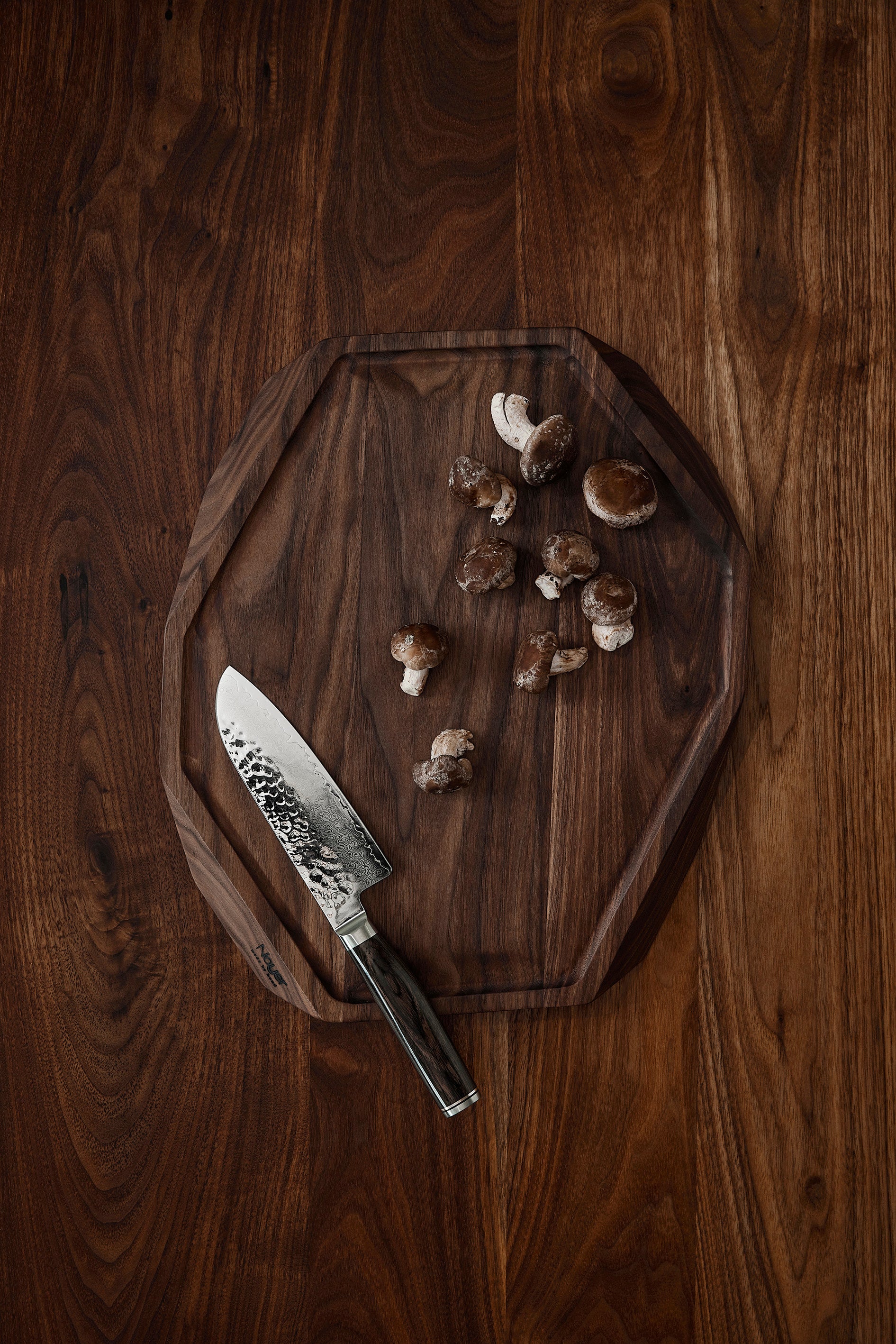

When a chef's knife strikes glass, stone, or hard composite, the steel edge rolls or dulls almost immediately. Solid wood behaves differently. Its fibrous structure yields slightly under the blade, cushioning the impact and preserving the sharpness of the edge. A well-constructed wooden cutting board serves as a dependable kitchen workstation during daily prep, stable under heavy cutting and ready to move directly to the dining table for serving.
Hygiene and Bacterial Resistance
Hygiene is often the primary concern when choosing between wood and plastic. While plastic boards can go through a dishwasher cycle, regular knife work produces deep grooves in synthetic surfaces. Over time, these fine crevices trap moisture, food residues, and bacteria away from reach. Heavy wear can also shed microplastic particles directly into ingredients.
Hardwood provides a natural defense against bacterial growth. Its porous capillary structure pulls surface moisture inward, depriving bacteria of the damp environment they need to multiply and causing them to desiccate. Paired with regular hand washing with warm water and dish soap, a solid wood cutting board provides a clean and reliable prep surface for vegetables, bread, and meats.
From Prep Station to Dining Table: Solid Walnut Geometry
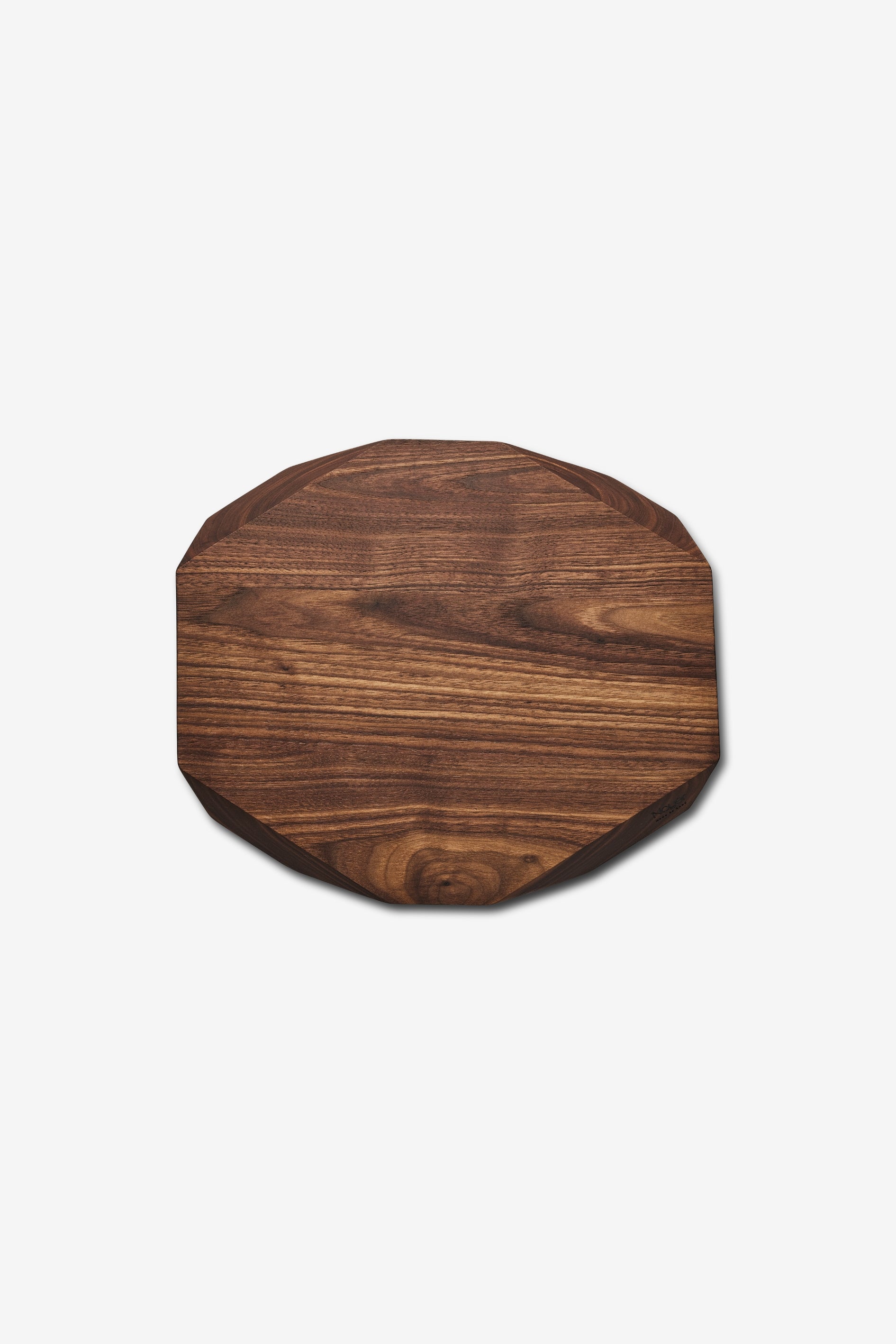
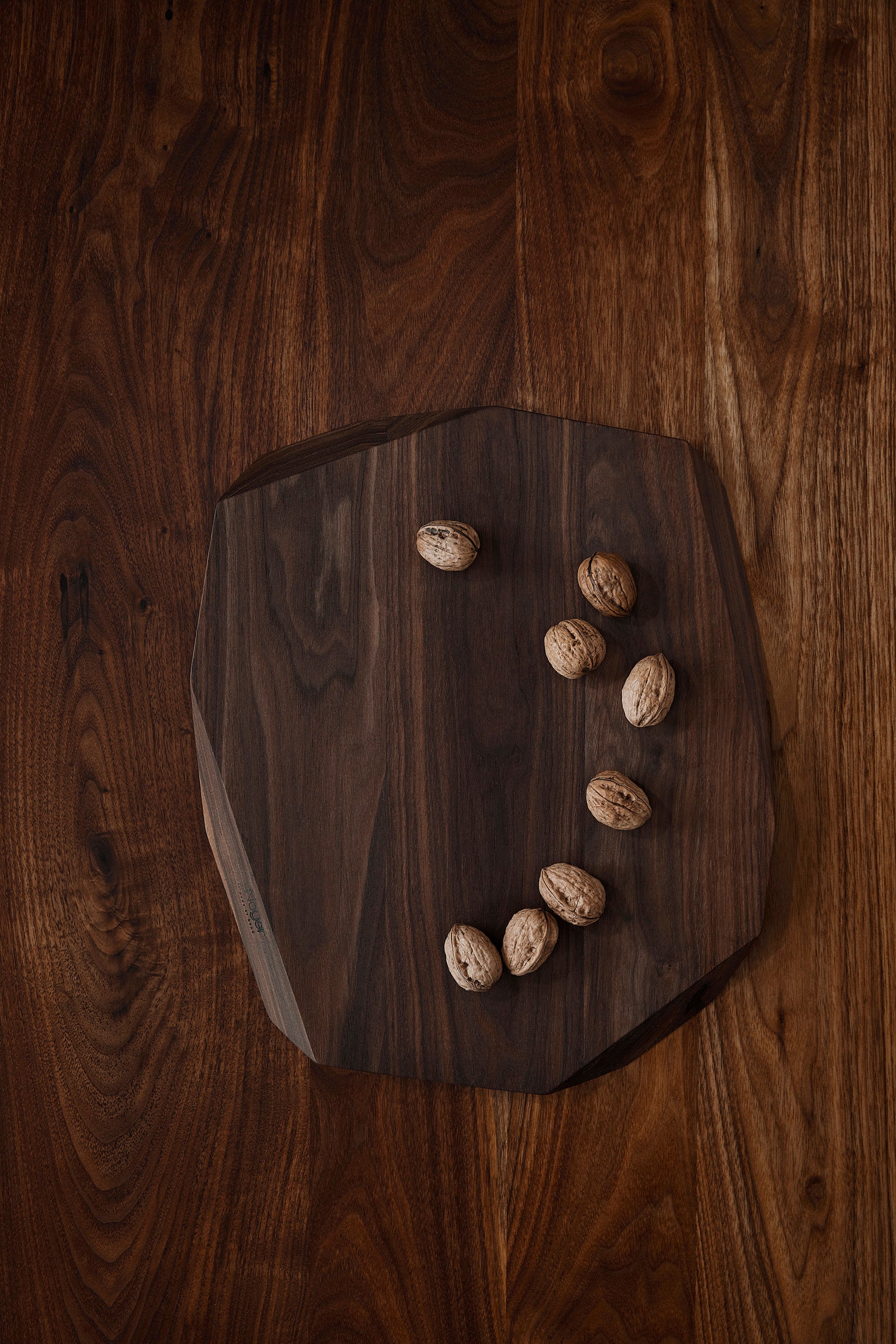
A cutting board does not need to disappear into a cabinet between meals. At Noyer, we work in solid walnut, shaping each board around the natural grain pattern and characteristics of the raw timber. The classic eight-sided Chopping Board features precise angled edges and an asymmetrical outline, making each board an individual piece on the countertop.
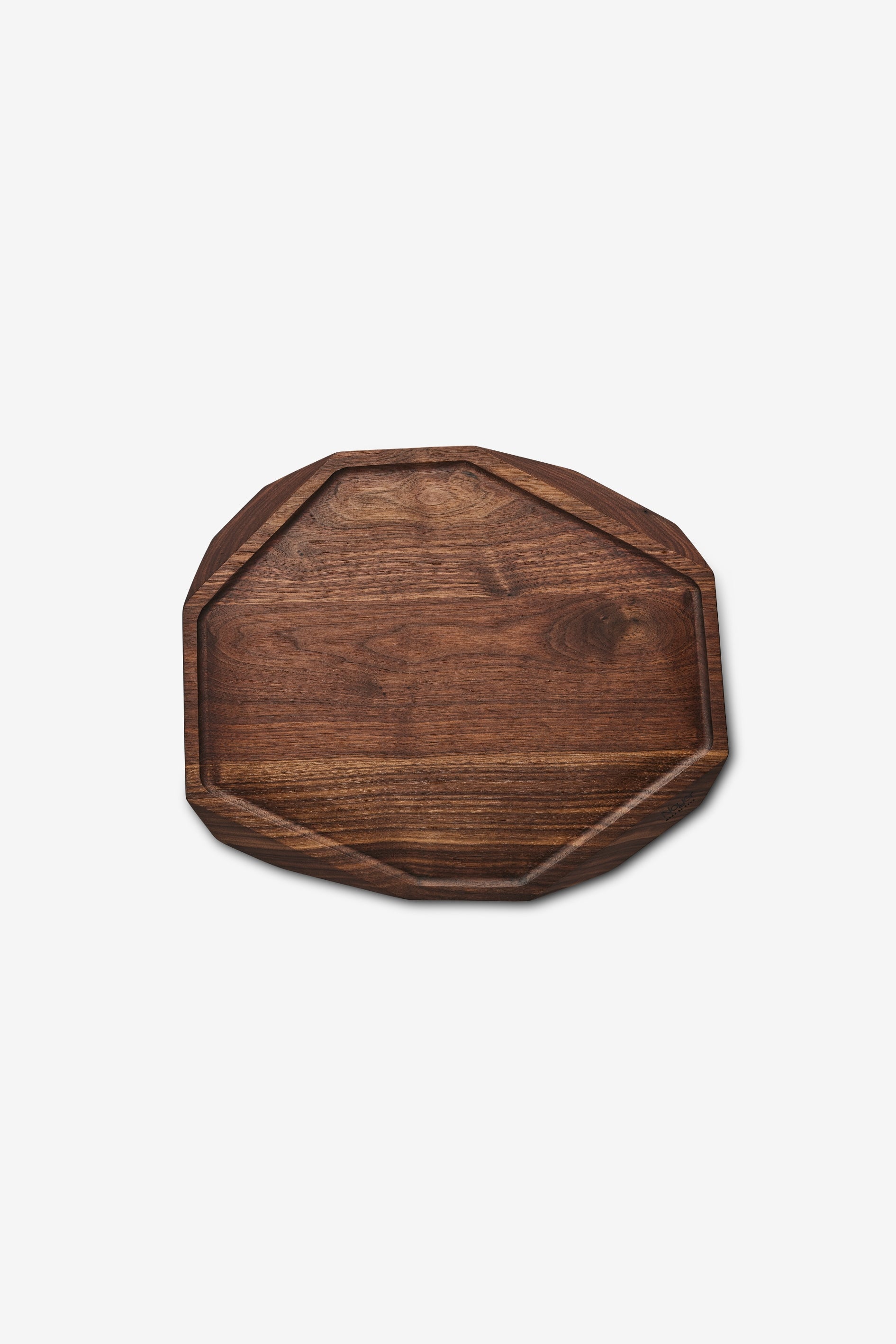
For resting roasts, carving poultry, or slicing juicy fruits, a Chopping Board with Juice Groove keeps liquid contained. A continuous milled channel runs along the perimeter to trap runoff before it spills onto work surfaces, while the weight of solid walnut holds the board firm under the knife. Once carving is complete, the board transitions cleanly from the kitchen to the center of the table.
Daily Washing and Long-Term Care
Solid hardwood boards can remain in service for years with a few straightforward maintenance habits:
- Wash by hand on both sides: Clean the board using warm water, a mild dish soap, and a soft cloth or sponge. Wash both sides to ensure balanced moisture absorption. Never place a wooden board in the dishwasher or leave it soaking in the sink, as prolonged submersion and heat break down glue joints and cause wood to warp or split.
- Dry upright on edge: Wipe the board immediately with a clean towel and stand it upright on its narrow edge to dry. Allowing air to circulate freely around both faces prevents uneven drying and tension in the timber.
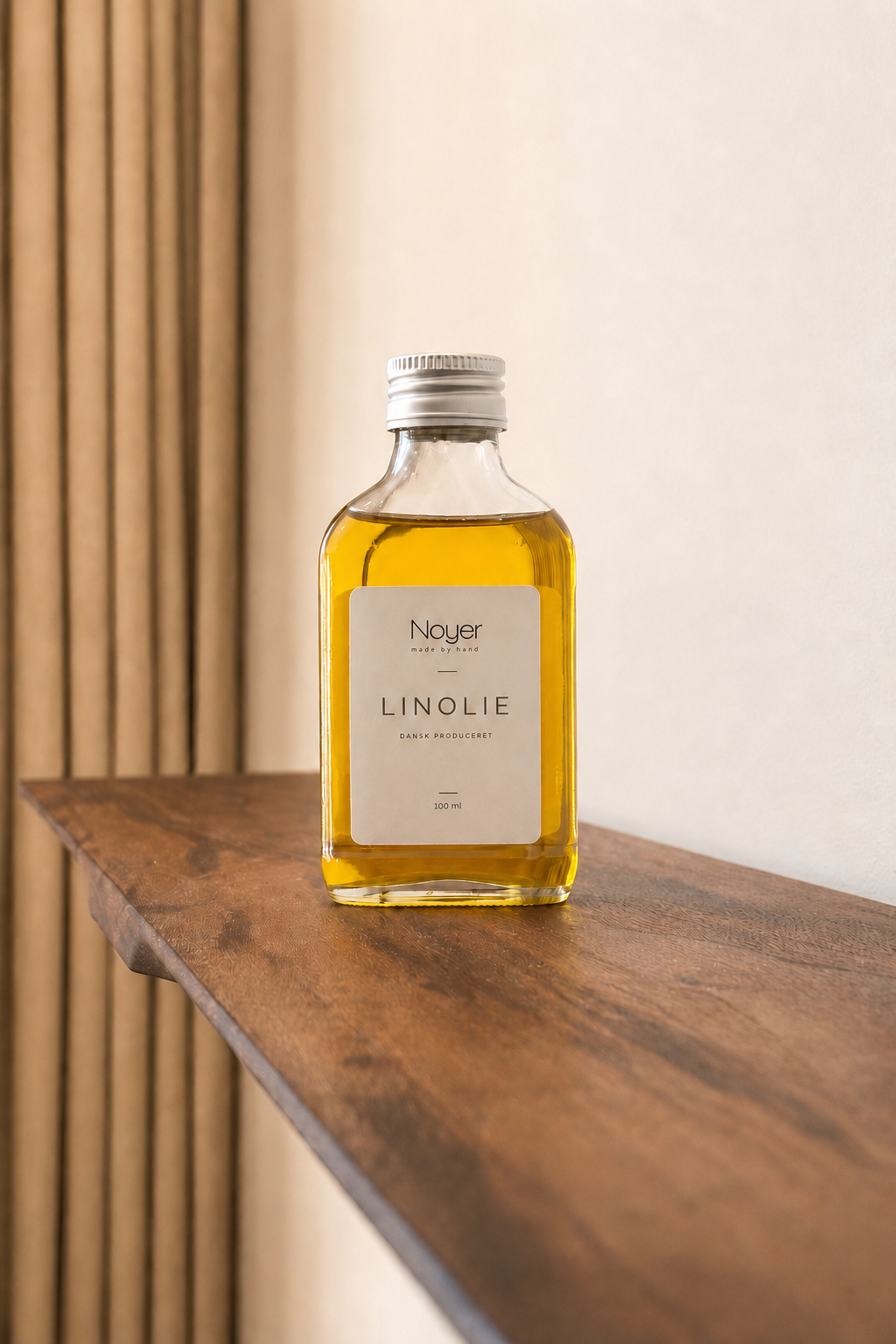
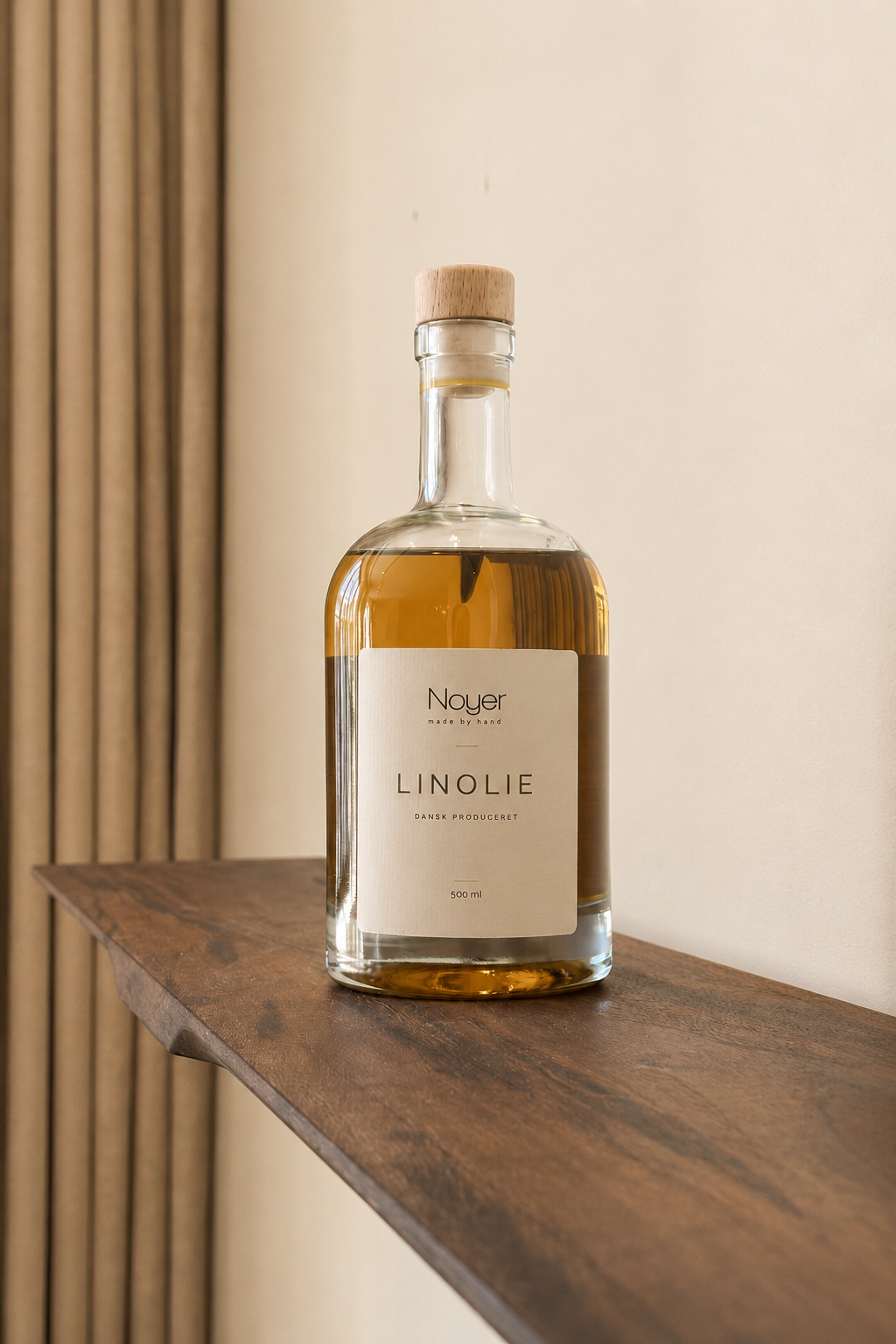
- Condition with curing oil: When the surface begins to look pale, dry, or dull, apply a curing oil formulated for food contact. A cold-pressed linseed formulation, such as the Noyer Oil Bottle, penetrates the wood fibers to refresh its color and grain without leaving a sticky film. Avoid common cooking oils like olive, sunflower, or canola oil; culinary oils do not dry or polymerize, leading them to oxidize, spoil, and turn rancid in the wood.
- Light sanding for wear: If years of chopping leave deep knife marks or rough patches, smooth the dry surface by hand using fine-grit sandpaper (150 to 240 grit) along the direction of the grain, then reapply oil.
Selecting the Right Board for Your Kitchen
A solid wooden board balances knife preservation with a durable, tactile presence in the kitchen. Whether you prefer a flat surface for prep and tabletop presentation or a grooved profile for carving, dense walnut endures daily cutting while developing a rich patina over years of use. Explore our full range of handcrafted designs in the collection of chopping boards, or consult our complete guide to Care and Maintenance for ongoing timber care.